



Table of Contents
- Understanding Roofing Material Types and Your Options
- Roofing Material Cost Comparison and Budget Planning
- Key Factors to Consider When Choosing a Roof
- Aesthetic Appeal, Energy Efficiency, and Home Value
- Aerial Roof Quotes vs Traditional Inspections
- Roof Replacement Financing Options and Insurance Support
- Making Your Final Decision: A Step-by-Step Framework
- Conclusion
Last Updated: August 28, 2026
Understanding Roofing Material Types and Your Options
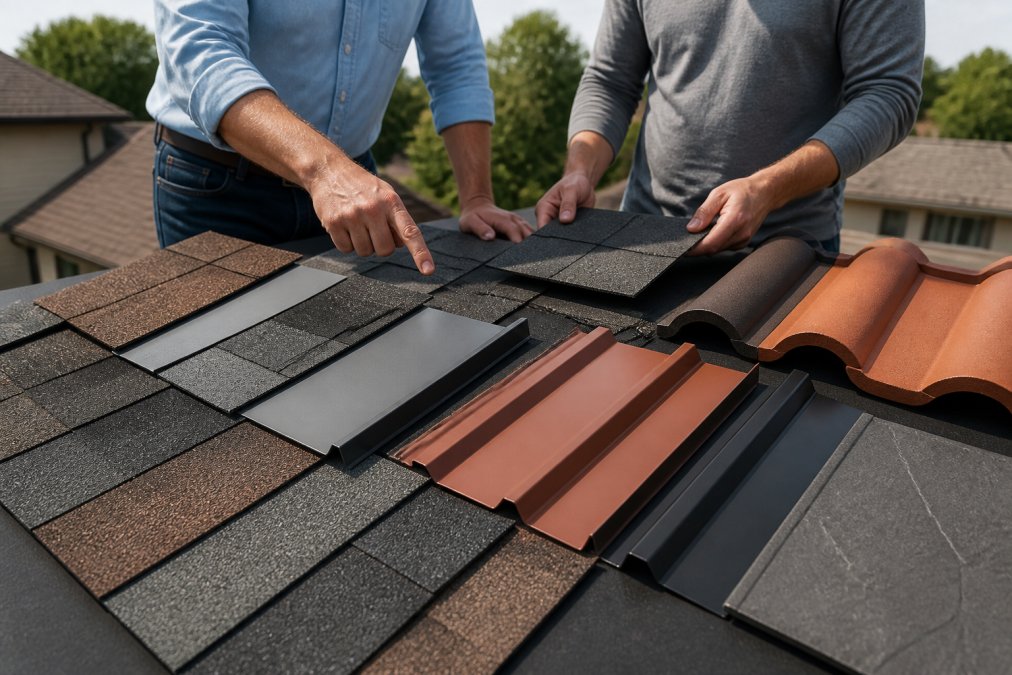
Choosing roofing materials determines how your roof looks, how long it lasts, how much maintenance it requires, and your total spending over time. At Rescue Roofing, we’ve guided homeowners through this decision, and the most successful choices match material properties to your specific situation rather than defaulting to the cheapest upfront option.
Five primary categories dominate residential roofing: asphalt shingles, metal roofing, slate and clay tiles, composite materials, and solar options. Each brings distinct advantages and trade-offs.
Asphalt Shingles
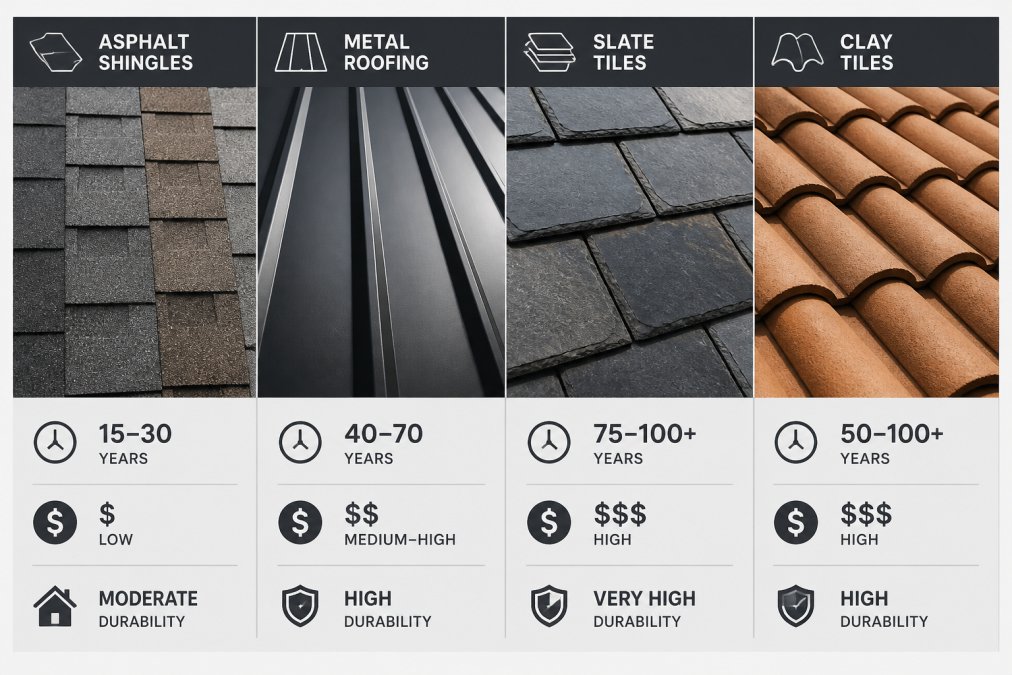
Asphalt shingles remain the most common roofing material, offering affordability, straightforward repairs, and dozens of colors and styles. A typical asphalt roof lasts 15 to 20 years, with premium architectural shingles reaching 25 years (nrca.net). The material consists of a fiberglass base coated with asphalt and topped with mineral granules for UV protection.
The advantage is accessibility. Installation is faster than alternatives, repairs stay manageable, and finding a qualified contractor is straightforward. Impact-resistant shingles rated for hail and wind can reduce insurance premiums. The limitation is longevity and environmental durability. Asphalt degrades faster in extreme temperatures, is vulnerable to algae in humid climates, and cannot be refurbished, only replaced. Over 40 years, expect two complete roof replacements.
Metal Roofing
Metal roofing has shifted from industrial use to mainstream residential applications, including standing-seam panels, metal shakes mimicking wood or slate, and corrugated options. Metal roofs last 40 to 70 years depending on type and finish; copper and zinc can exceed a century (metalroofing.org).
Metal resists impact, wind, and UV degradation far better than asphalt. It’s lightweight relative to durability, often installable over existing asphalt without tear-off, reducing costs and waste. Metal reflects solar heat, lowering cooling costs in hot climates. Fire ratings are excellent, and insurance companies often offer premium discounts. The trade-off is upfront cost and noise during rain or hail, though modern underlayment has largely mitigated noise concerns. Metal requires specialized installation, making contractor selection critical.
Slate and Clay Tiles
Slate and clay tiles represent the premium end of roofing. Slate lasts 75 to 200 years; some roofs from the 1800s still perform. Clay tiles typically last 50 to 100 years. Both are virtually immune to weathering, fire, impact, and UV degradation, offering unmatched aesthetic appeal with natural color and texture variation.
The drawback is weight and cost. Slate and clay are heavy, often requiring structural reinforcement. Installation is specialized and slow, driving labor costs up significantly. Repairs are expensive because matching aged materials requires salvaged pieces. For most homeowners, the initial investment is substantial unless budget is unconstrained or architectural style demands it.
Composite and Solar Shingles
Composite materials, blending asphalt, fiberglass, and polymers, bridge affordability and durability. They last 25 to 40 years with better impact resistance and color retention than standard asphalt, and some mimic wood shakes or slate.
Solar shingles integrate photovoltaic cells directly into roofing, functioning as both cover and energy generation. The technology is evolving; current solar shingles are more expensive than traditional roofing plus separate solar panels, but efficiency improvements and cost reductions continue. They’re worth considering if energy independence is a priority and your roof has adequate sun exposure.
Roofing Material Cost Comparison and Budget Planning
Cost comparison requires looking beyond installation price to total cost of ownership. A cheaper upfront material may cost more over 30 or 40 years when factoring in maintenance, repairs, and replacement cycles.
Asphalt shingles have the lowest installation cost but require replacement every 15-20 years. Metal costs significantly more upfront but lasts 40-70 years, meaning fewer replacement cycles. Slate and clay command premium prices but essentially last a lifetime. Solar shingles fall into the highest cost category but offset that through energy generation and tax credits.
Installation labor varies by material complexity. Asphalt is fastest and cheapest; metal requires specialized crews; slate and clay demand expert craftspeople. Factor in tear-off costs if replacing an existing roof, which vary by size and local waste management rates.
Rescue Roofing offers flexible financing that spreads replacement costs across manageable monthly payments, making premium materials accessible when upfront costs would otherwise be prohibitive. Many homeowners find that financing a 50-year roof is more economical than paying cash for a 15-year roof.
Key Factors to Consider When Choosing a Roof
Your decision must account for climate, building code requirements, structural capacity, and maintenance tolerance.
Climate and Weather Resistance
Geographic location determines which materials make sense. High wind areas need strong wind resistance; metal roofing and impact-resistant asphalt perform well. Coastal properties face salt spray corrosion, favoring metal with appropriate coatings or salt-resistant clay tiles over standard asphalt.
In hot climates, solar reflectance matters. Metal and light-colored tiles reflect more heat than dark asphalt, potentially reducing cooling costs. In cold climates with heavy snow, roof pitch and material weight affect snow load capacity. Steep-pitched roofs shed snow more readily, but frames must support heavy materials like slate or clay.
Moisture and humidity drive algae growth and rot in some materials. Asphalt is vulnerable in humid environments; metal and tile resist this better. In areas with frequent ice dams, ensure adequate underlayment and flashing to manage water backup.
Roof Lifespan and Material Durability
How long you plan to stay in your home influences which material makes financial sense. Moving within 10 years may not justify a 50-year metal roof. Staying long-term makes durable materials attractive even at higher cost.
Material durability depends on installation quality and maintenance. A poorly installed metal roof fails prematurely; a well-maintained asphalt roof might exceed its rated lifespan. Professional inspections identify defects early, extending the life of any material. Rescue Roofing’s aerial inspections catch installation issues and maintenance problems before they become costly.
Maintenance Requirements and Weatherproofing
Each material demands different upkeep. Asphalt shingles need periodic inspection for granule loss and algae growth. Metal roofs are largely maintenance-free but benefit from periodic cleaning. Slate and clay tiles require occasional repointing of mortar joints and replacement of damaged tiles.
Underlayment and flashing are critical to weatherproofing regardless of surface material. Underlayment is the moisture barrier beneath visible roofing; it catches water getting under shingles and directs it toward gutters. Flashing seals transitions where the roof meets chimneys, vents, and walls. These components often fail before the roofing surface itself, so understanding their condition during inspection is essential.
Structural Load and Building Code Compliance
Not all materials work with every home’s structure. Slate and clay tiles weigh 10 to 15 pounds per square foot, compared to 2 to 3 pounds for asphalt and 1 to 3 pounds for metal (nrca.net). Homes not designed for that weight require structural reinforcement, adding significant cost.
Building codes specify minimum fire rating, wind resistance, and impact resistance based on location. Some jurisdictions require impact-resistant materials in hurricane-prone or severe hail areas. Codes also mandate specific roof pitch minimums for certain materials. A professional contractor will verify code compliance; this isn’t something to overlook. identifying roof algae.
Choosing a material that doesn’t meet local building codes can result in failed inspections, insurance claim denials, and costly rework. Always verify code compliance before committing to a material.
Aesthetic Appeal, Energy Efficiency, and Home Value
Your roof is one of the most visible exterior components, affecting curb appeal and perceived home value.
Asphalt shingles offer the widest range of colors and styles, from traditional three-tab to architectural designs mimicking wood or slate. Metal roofing comes in standing-seam panels or metal shakes; standing-seam offers modern aesthetics while metal shakes replicate traditional materials. Slate and clay tiles provide timeless elegance and natural variation signaling quality and permanence.
Energy efficiency ties to solar reflectance and thermal resistance. Light-colored and reflective materials reduce cooling costs in hot climates. Proper ventilation and underlayment improve thermal performance across all types. Some homeowners find energy savings from reflective roofs offset a portion of premium costs over time.
Home value impact is real but nuanced. A roof in poor condition depresses value regardless of material. A new, high-quality roof of any mainstream material adds value and increases buyer confidence. Premium materials like slate can enhance value in markets appreciating those aesthetics, but in conservative markets, a well-installed asphalt roof may be the safer resale choice.
Aerial Roof Quotes vs Traditional Inspections
Aerial inspection technology, typically drone-based, now competes with traditional methods where contractors physically climb onto roofs.
Aerial quotes offer speed and safety. Drones capture high-resolution images and measurements without anyone on the roof, reducing fall risk and allowing inspection in bad weather or difficult access situations. The quote process is faster and convenient.
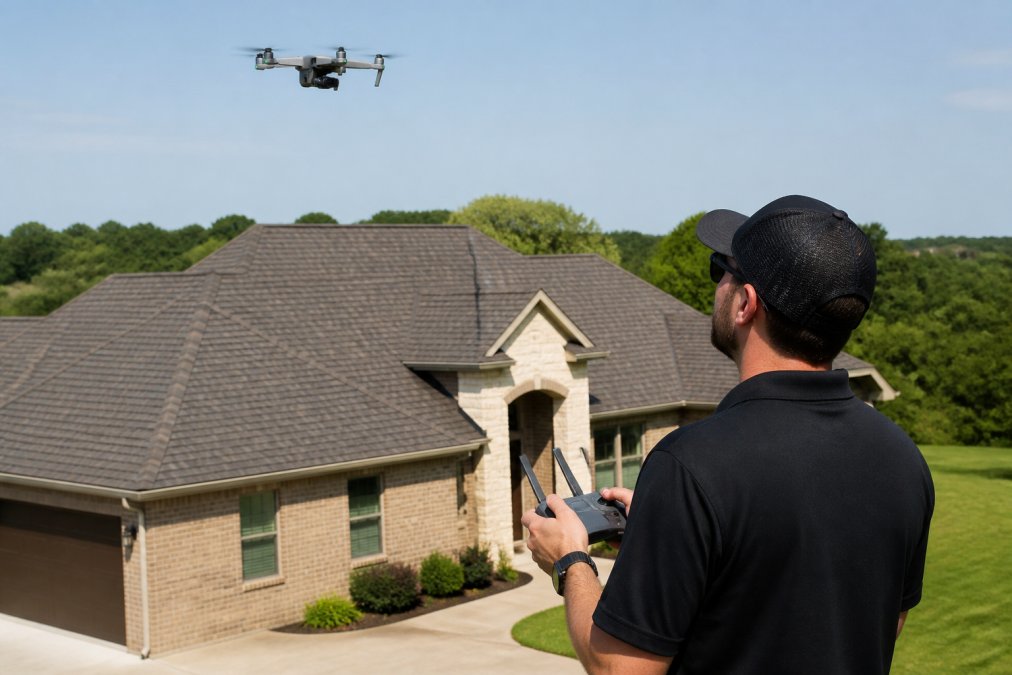
However, aerial inspection has limitations. Drones capture surface-level images; they cannot detect hidden damage beneath shingles, assess underlayment or flashing condition up close, or identify structural issues. A contractor on the roof can physically probe weak spots, check for rot, and assess installation quality in ways drones cannot. Aerial quotes often include a caveat: final price may change after physical inspection reveals issues the drone missed.
The best approach combines both methods. An aerial quote provides a preliminary estimate and identifies obvious issues. A physical inspection by a qualified contractor adds certainty and catches hidden problems. Rescue Roofing uses both aerial technology and thorough on-site inspections to provide accurate, transparent quotes without surprises.
Request both an aerial quote and an in-person inspection. The aerial view gives a starting point; the physical inspection ensures the contractor identifies all issues before work begins, preventing costly mid-project discoveries.
Roof Replacement Financing Options and Insurance Support
A full roof replacement is a significant expense. Understanding financing options and how insurance fits into the equation makes the decision more manageable.
Insurance coverage depends on damage cause and policy terms. Storm damage, hail, wind, and fallen trees are typically covered, though you’ll pay a deductible. Wear-and-tear or lack of maintenance is not covered. If your roof is damaged by a covered event, an adjuster assesses damage and determines payout.
Rescue Roofing assists with insurance claims from start to finish, helping document damage, communicate with adjusters, and ensure you receive full benefits. This support is invaluable when dealing with storm damage stress and insurance paperwork complexity.
For replacements not covered by insurance or when insurance doesn’t cover full costs, financing options include personal loans, home equity lines of credit, and contractor-provided programs. Rescue Roofing offers flexible financing spreading payments over time, making roof replacement possible without depleting savings or incurring high-interest debt.
Making Your Final Decision: A Step-by-Step Framework
The decision process works best when broken into clear steps.
Step 1: Identify your constraints. How long do you plan to stay in your home? What’s your realistic budget? What does your building code require? What’s your maintenance tolerance? These constraints eliminate options immediately.
Step 2: List viable materials. Given your constraints, which materials remain realistic? Create a shortlist of two to four options.
Step 3: Research local contractor expertise. Not every contractor is equally skilled with every material. Call contractors and ask about experience with your shortlisted materials. This matters significantly; a poorly installed premium material performs worse than a well-installed standard material.
Step 4: Get multiple quotes. Obtain quotes from at least two contractors for each material. Compare price, scope of work, warranty terms, and communication style. Detailed quotes with clear line items are preferable to vague estimates.
Step 5: Evaluate total cost of ownership. Calculate cost per year over the material’s expected lifespan. A $15,000 roof lasting 20 years costs $750 per year. A $25,000 roof lasting 50 years costs $500 per year. This perspective often shifts the decision.
Step 6: Make your decision and schedule work. Once you’ve chosen a material and contractor, lock in the timeline. Roof work is weather-dependent; spring and fall are typically best. Plan for disruption and confirm the contractor’s process for protecting landscaping and managing debris.
The best roofing material matches your budget, climate, maintenance tolerance, and long-term plans. There’s no universally “best” choice, only the best choice for your specific situation. Take time to evaluate your constraints honestly before defaulting to the cheapest option.
Choosing roofing materials is one of the most consequential home maintenance decisions you’ll make. The material you select affects your home’s safety, appearance, maintenance burden, and long-term cost. A roof right for your climate, code requirements, and budget will serve you reliably for decades. Get started with Rescue Roofing, and we’ll help you navigate the options with accurate aerial quotes, professional inspections, and transparent guidance on insurance claims and financing. Our team brings experience with every major roofing material and understands the specific needs of homes in this region. Call us today for a free consultation and quote.
Frequently Asked Questions
What is the best roofing material for the money?
Asphalt shingles offer a good value for many homeowners, with installation costs lower than metal, slate, or tile options. They typically last 15-20 years and provide solid weatherproofing and fire ratings. Metal roofing costs more upfront but lasts 40-70 years, making it cost-effective over time if you plan to stay in your home long-term. The best choice depends on your budget, climate, and how long you'll keep the property.
How do I compare aerial roof quotes vs traditional inspections?
Aerial roof quotes use drone technology to measure your roof accurately from above, providing precise square footage and pitch measurements. Traditional inspections require a roofer to climb onto your roof to assess conditions, which takes more time and carries safety risk. Aerial quotes are faster and safer, though a physical inspection may still be needed to identify hidden damage like rotting underlayment or flashing issues that drones cannot detect. Rescue Roofing utilizes both aerial quotes and thorough on-site inspections to provide comprehensive assessments.
What roof shingles should I avoid?
Avoid ultra-budget asphalt shingles rated for less than 15 years, as they may fail prematurely in harsh weather. Skip materials not rated for your local climate, for example, clay tiles can crack in freeze-thaw cycles, and certain composite shingles may not have adequate wind or impact resistance for storm-prone areas. Always verify the fire rating and impact resistance rating (UL 2218 or similar) match your building code requirements and insurance expectations.
How do roof replacement financing options work?
Many roofing contractors offer financing through third-party lenders, allowing you to spread the cost over a period with fixed monthly payments. Some programs require no money down, while others ask for an upfront percentage. Interest rates vary based on credit and loan term. Verify whether your homeowner's insurance covers part of the cost if storm damage is involved, and ask your contractor about their financing terms before committing to a specific material. Rescue Roofing offers flexible financing options to help make roof replacement more accessible.
What is the 25% rule for roofing?
The 25% rule suggests that if roof repairs exceed 25% of the total replacement cost, you should consider replacing the entire roof instead. For example, if a full replacement costs $10,000 and repairs would run $2,500 or more, replacement might be the more economical investment. This rule helps homeowners avoid repeatedly spending on an aging roof that will soon need full replacement anyway, and it ensures you get a warranty on new materials rather than patching an old one.
Should I use 1/2 or 3/4 plywood for roofing?
Use 3/4-inch plywood for roof decking in most cases, as it generally provides better structural integrity, handles moisture better, and supports heavier roofing materials like slate or tile. Use 1/2-inch plywood only for lightweight materials like asphalt shingles in low-snow areas, and only if your roof pitch is steep enough to shed water quickly. Check your local building code, many areas now require 3/4-inch minimum for durability and to meet modern wind-resistance standards.
Does roofing material affect my home insurance premiums?
Yes. Metal roofing and impact-resistant shingles (Class 4 rated) often qualify for insurance discounts because they resist hail and wind damage better. Asphalt shingles may cost more to insure if they have low impact ratings. Slate and tile roofing typically lowers premiums due to durability and fire resistance. Ask your insurance agent about discounts before choosing a material, as the savings can offset higher installation costs over time.
This article was written using GrandRanker