



Table of Contents
- What Cracked Roof Shingles Look Like Up Close
- How to Spot Roof Storm Damage After a Tulsa Hail or Wind Event
- A Roof Inspection Checklist for Homeowners
- DIY vs. Professional Roof Inspection Safety
- The Cost of Roof Shingle Repair and When Replacement Makes More Sense
- Preventing Premature Shingle Deterioration
- Insurance Claim Documentation for Cracked Roof Shingles
- Frequently Asked Questions
Last Updated: September 18, 2026
What Cracked Roof Shingles Look Like Up Close
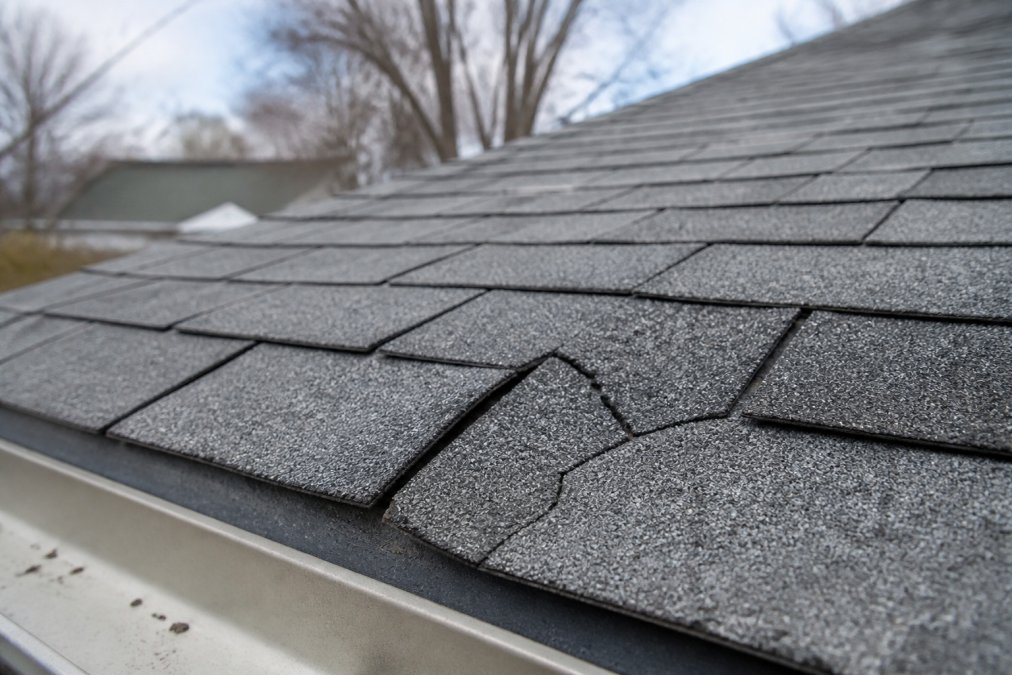
Learning how to identify signs of cracked roof shingles starts with knowing what healthy shingles should look like. A new three-tab or architectural asphalt shingle has a uniform, matte surface with a full layer of embedded mineral granules and flat, straight edges. Cracked roof shingles are asphalt shingles that have split, torn, or fractured surfaces, exposing the underlying fiberglass mat and letting water seep into your roof deck.
The Four Crack Types and What Each One Means
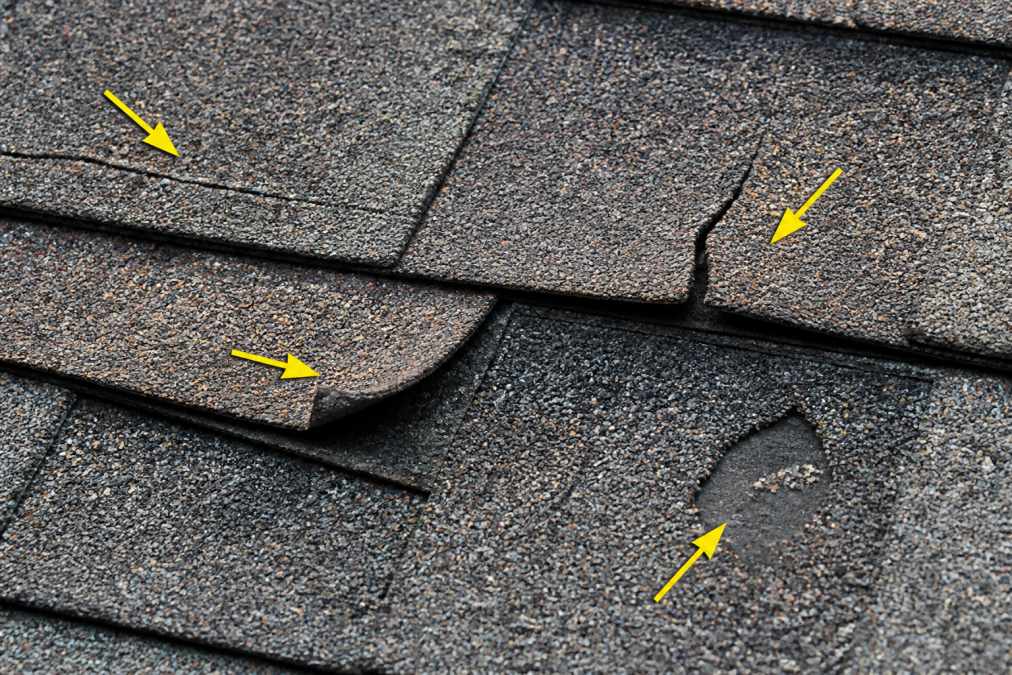
Hairline surface splits. These are thin, shallow lines that follow the grain of the shingle. They usually start as a cosmetic issue but widen as thermal cycling continues. They are the earliest visible stage of cracking.
Cracks vs. Curling, Buckling, and Cupping
These three problems look different, but they often show up together. Curling means the shingle edges bend upward. Buckling means the shingle ripples or lifts in the middle. Cupping means the edges rise while the center sinks, like a shallow bowl.
Granule Loss and Blistering: Early Warning Signs
Granule loss is the first clue that shingles are wearing out. Those tiny stones protect the asphalt from UV rays. When they wash into your gutters, the shingle underneath dries out and cracks.
Match the crack type to the cause before you call anyone. Hairline and edge cracks usually mean age or ventilation problems. Diagonal cracks and widespread full-thickness splits often mean a deck or installation issue that a simple shingle swap will not fix.
How to Spot Roof Storm Damage After a Tulsa Hail or Wind Event
Storm damage shows up fast, and it rarely looks the way homeowners expect. A common mistake is assuming hail leaves big holes. It usually doesn’t. Hail bruises shingles, knocking granules loose and cracking the mat underneath. The damage may not leak for months.
After a storm, check these areas first:
- Roof valleys where two slopes meet
- Ridge caps along the top
- Flashing around vents and chimneys
- South- and west-facing slopes that take the most sun and weather
Hail Bruising and Wind Uplift
Hail bruising looks like soft dents or dark spots on the shingle surface. Wind uplift is different. High winds get under a shingle edge and peel it back. Once a shingle lifts, it cracks when it slaps back down.
Never climb onto a storm-damaged roof. Bruised or lifted shingles can tear under your weight, and wet surfaces are slick. Inspect from the ground with binoculars, then call a professional.
A Roof Inspection Checklist for Homeowners
A good roof inspection checklist for homeowners covers two zones: the outside and the attic. You can do most of this from the ground and from inside your home. No ladder required.
- Scan the roof from the yard for missing shingles or bare patches
- Check gutters for granule buildup
- Look at flashing around chimneys, vents, and skylights
- Inspect the attic ceiling for water stains
- Smell for musty odors in the attic
- Feel for soft spots in the roof deck (from inside, with a flashlight)
- Check for algae growth, those dark streaks on north-facing slopes
- Note any sagging along the roofline
Interior Signs: Water Stains, Musty Odors, and Soft Spots
Interior clues often show up before you spot anything outside. Water stains on the ceiling look like brown rings or streaks. Musty odors mean moisture is trapped somewhere. Soft spots in the roof deck feel spongy when you press them.
DIY vs. Professional Roof Inspection Safety
Ground-level checks are safe for any homeowner. Walking the roof is not. Falls from roofs send thousands of people to the hospital every year, according to the CDC data on fall injuries, and most happen during routine tasks like inspections and repairs.
Here’s the honest split:
| Task | DIY Safe? | Why |
|---|---|---|
| Ground visual scan | Yes | No climbing, no risk |
| Binocular inspection | Yes | Spots missing shingles fast |
| Attic check | Yes | Safe if you use a flashlight and stay on joists |
| Gutter clearing | Sometimes | Only with a stable ladder on flat ground |
| Walking the roof | No | Steep pitches and weak shingles cause falls |
| Patching or sealing | No | Requires training and fall protection |
The Cost of Roof Shingle Repair and When Replacement Makes More Sense
The cost of roof shingle repair depends on the damage size, roof pitch, and materials. Because every roof is different, the only reliable number comes from an on-site or aerial assessment. That said, you can still build a realistic mental model before anyone climbs up.
What Drives the Price
Four variables move the number more than anything else:
- Scope. A handful of cracked shingles on one slope is a small repair. Damage across multiple slopes is a partial or full replacement.
- Pitch and access. Steep roofs and multi-story homes take longer and require more fall protection, which raises labor.
- Material match. If your shingles are discontinued, a repair may require a close-match product or a larger tear-off to blend the patch.
- Underlying damage. Cracked shingles often hide soft decking or failed underlayment. Once the shingles come up, that hidden work gets added to the bill.
Most roofing contractors price repairs as a combination of a minimum service charge plus materials and labor per square (100 square feet). Replacement is priced per square as well, which is why the two numbers scale so differently.
Repair vs. Replacement: A Decision Framework
Repair usually makes sense when:
- Damage is limited to one area or one slope
- The roof is under 15 years old
- Cracks are isolated, not widespread
- The shingle line is still available for a color and profile match
Replacement tends to win when:
- Shingles are cracking across multiple slopes
- The roof is near the end of its roof lifespan
- You’ve already patched the same spot more than once
- Granule loss is widespread and the mat is exposed in many places
- The deck is soft in more than one area
A simple test: if the cost of the repair approaches a meaningful fraction of a full replacement, and the roof is already past the midpoint of its expected life, replacement is usually the better long-term spend. Patching a failing roof repeatedly is the most expensive path of all.
Get the Scope in Writing
Ask for a written scope that separates the shingle work from any decking or underlayment repairs. That split matters for two reasons: it tells you what the base price actually covers, and it gives your insurance adjuster a clean line-item view if you file a claim.
Ask any contractor whether the quote includes disposal, permits, and flashing replacement. Those three line items are the most common sources of a final bill that comes in higher than the estimate.
Preventing Premature Shingle Deterioration
Most shingle damage is preventable, and the fixes are simpler than you’d think. Proper roof ventilation tops the list. Without it, heat builds in the attic, cooks the shingles from below, and speeds up cracking.
Add these habits:
- Keep gutters clear so water doesn’t back up under the edges
- Trim tree branches that scrape the roof surface
- Fix flashing leaks the moment you spot them
- Schedule a professional inspection once a year
- Address algae growth before it eats into the shingle mat
After a repair, ask for photos of the completed work. It documents the fix for your records and helps if you file a claim later.
Insurance Claim Documentation for Cracked Roof Shingles
Insurance claims live or die on documentation. Adjusters need proof that damage came from a covered event like hail or wind, not normal wear. Weak evidence means a denied claim.
Build your file before you call anyone:
- Photograph every damaged area from the ground
- Note the date and type of storm
- Save receipts for any emergency repairs
- Keep a written log of leaks or stains you find inside
Frequently Asked Questions
Will a roof leak immediately if a shingle is cracked?
Not always. A single cracked shingle may not cause an immediate leak because the underlayment beneath it can still shed water for a while. The real danger is that cracks let moisture into the roof deck over time, which leads to rot, mold, and interior water stains. That is why catching cracked roof shingles early matters more than waiting for a leak to appear.
Can individual cracked shingles be repaired, or is a full replacement needed?
It depends on how many shingles are affected and their condition. If the damage is isolated and the surrounding shingles are still flexible and intact, a roofer can replace individual shingles. If cracks are widespread, or if the shingles are brittle from age and UV exposure, a full replacement usually costs less over time than repeated patch repairs.
What causes asphalt shingles to crack prematurely?
Thermal expansion and contraction, UV exposure, hail damage, and poor roof ventilation all accelerate cracking. When attic heat builds up because ventilation is inadequate, shingles bake from both sides and lose flexibility faster. In the Tulsa area, hail and high winds add physical impact damage on top of heat stress, which shortens roof lifespan significantly.
How can I safely inspect my roof for damage without climbing on it?
Use binoculars from the ground to scan for missing shingles, curling edges, and dark patches that suggest granule loss. Check your attic for water stains, musty odors, and soft spots on the roof deck. If you see anything concerning, call a professional. Walking a steep or storm-damaged roof without fall protection is a serious safety risk and can void some insurance claims.
Cracked shingles rarely fix themselves, and small cracks turn into leaks fast. If your inspection turns up damage, don’t wait for the next storm to make it worse. Rescue Roofing offers 24-hour availability, accurate aerial quotes, and flexible financing options to fit your budget. Get started with Rescue Roofing and protect your home with a roof you can trust.