



Table of Contents
- Roof Repair vs. Replacement: Quick Comparison
- Average Roof Repair Cost
- Average Cost of Roof Replacement
- Signs You Need a New Roof
- Key Factors That Influence Repair vs. Replacement Costs
- Roofing Insurance Claim Process
- How to Decide: Repair or Replace Your Roof
- Conclusion
Last Updated: August 30, 2026
Roof Repair vs. Replacement: Quick Comparison
The decision between roof repair and replacement protects your home’s structural integrity and your family’s safety. A small leak from wind damage might need only targeted repairs costing a few hundred dollars. But if your roof is 15+ years old with widespread deterioration, replacement is almost always the smarter long-term choice, even though the upfront cost is significantly higher.
At Rescue Roofing, we help homeowners navigate this decision with accurate aerial inspections and honest assessments. Catching damage early with repairs extends your roof’s life, but ignoring warning signs until they become emergencies forces you into expensive replacements.
| Factor | Roof Repair | Roof Replacement |
|---|---|---|
| Typical Scope | Isolated damage (leaks, missing shingles, flashing issues) | Entire roofing system removal and installation |
| Lifespan After Work | 5-15 years (depends on roof age) | 20-30+ years (material-dependent) |
| Structural Impact | Minimal; addresses surface-level problems | Comprehensive; includes new decking, underlayment, ventilation |
| Insurance Coverage | Often covered for storm damage | Typically covered only if damage is widespread |
| Best For | Newer roofs with localized damage | Aging roofs, multiple damage areas, end-of-life systems |
Average Roof Repair Cost
When damage is limited to a specific area, a few missing shingles, damaged flashing, or a small leak, repair is the logical first choice. Labor costs typically dominate repair expenses because contractors must safely access the roof, identify the problem source, and execute the fix. Material costs for replacement shingles, roofing cement, and underlayment patches are usually secondary.
Your roof’s size and pitch (steepness) affect labor time and safety requirements, which directly impact your bill. Rescue Roofing uses accurate aerial quotes to assess damage before sending a crew, preventing surprise costs and ensuring the repair scope matches what insurance will cover.
If you’re repairing an older roof already showing multiple signs of wear, curling shingles, granule loss, visible deterioration, a repair might extend its life by only 3-5 years. In that scenario, you’re delaying the inevitable replacement and spending money that could go toward a new system with a 20-30 year lifespan.
Average Cost of Roof Replacement
A full roof replacement involves removing the existing roofing system down to the roof decking, inspecting and repairing the underlying structure, installing new underlayment and ventilation, and installing a complete new roofing surface. This typically takes 1-3 days for a residential home.
Total cost depends on three primary variables: your roof’s square footage, the material you choose (asphalt shingles, metal, tile, or other options), and local labor rates. A larger roof costs more simply because it requires more material and labor hours. Premium materials like metal or architectural shingles cost more per square than basic asphalt shingles, but they last significantly longer and provide better weather resistance.
Your roof’s pitch and design complexity also matter. A simple gable roof is faster and cheaper to replace than a complex roof with multiple valleys, dormers, and penetrations. When you choose replacement, you’re also investing in new structural components: roof decking repairs, new underlayment, improved ventilation, and new flashing. Rescue Roofing offers flexible financing options and helps you navigate insurance claims for storm damage, which can significantly reduce your out-of-pocket cost.
Signs You Need a New Roof
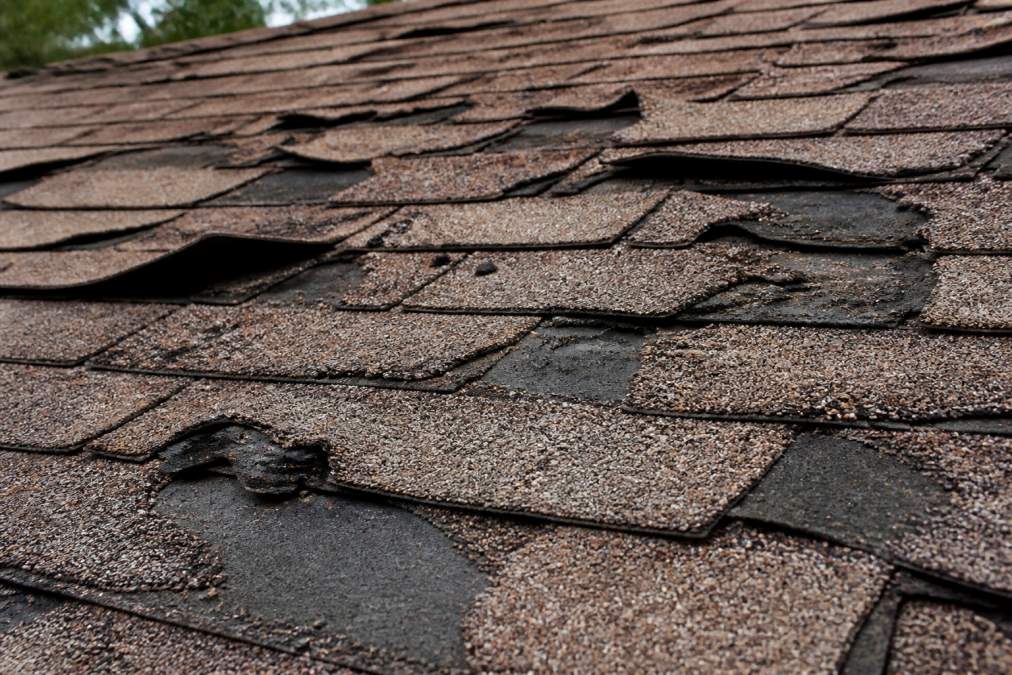
Your roof is nearing the end of its serviceable life when you see multiple warning signs simultaneously. Widespread curling across large sections indicates the shingles are failing and losing their protective properties.
Granule loss, the small colored particles that coat asphalt shingles, is a major red flag. When shingles shed granules noticeably, they’re losing UV protection. You’ll often see granules in your gutters or notice bare spots where the underlying asphalt is exposed.
Visible leaks inside your home, water stains on ceilings or attic rafters, and mold growth in the attic all indicate water is penetrating your roofing system. Sagging areas suggest structural problems, either rotting roof decking or failing support structures. Missing large sections of shingles, widespread flashing damage, and visible gaps are also signs that replacement should be considered.
If your roof is 20+ years old and showing any combination of these signs, replacement is almost always more cost-effective than continued repairs.
Key Factors That Influence Repair vs. Replacement Costs
Your roof’s age is the most important factor: a 5-year-old roof with storm damage should be repaired; a 22-year-old roof with the same damage should be replaced. The extent of damage matters enormously. Isolated damage in one area is repairable; widespread damage across multiple sections points toward replacement. Insurance adjusters often use a "25% rule": if damage exceeds 25% of your roof’s surface, replacement becomes the recommended approach (iii.org).
Material type affects both repair and replacement costs. Asphalt shingles are the cheapest to repair and replace. Metal roofing costs more upfront but lasts 40-50+ years and requires fewer repairs (nrca.net). Your roof’s structural condition, the integrity of the decking, quality of ventilation, and condition of flashing, determines whether repairs will hold or fail quickly. Rescue Roofing’s aerial inspections specifically assess structural integrity so you understand whether repair investments will actually extend your roof’s life.
Local climate and weather patterns also influence the decision. If you live in an area with frequent hail, heavy snow, or severe storms, a newer roof system with better weather resistance may justify the replacement investment.
Roofing Insurance Claim Process
If your roof damage resulted from a covered event, wind, hail, fallen tree, or storm, your homeowners insurance may cover repair or replacement costs. Start by documenting the damage with photographs and video, then contact your insurance company and file a claim as soon as possible.
Your insurance company will assign an adjuster to inspect the damage and determine whether it’s covered and what repair scope they’ll approve. Insurance adjusters are trained to minimize claim payouts and may underestimate damage or recommend a lower repair standard than necessary. siding and roofing.
Rescue Roofing assists with the entire claims process. We communicate directly with your insurance adjuster, provide detailed damage assessments and repair estimates, and advocate for a repair scope that addresses all damage. Having a professional contractor in your corner typically results in higher approval amounts and more comprehensive repairs.
Keep all documentation: the original claim filing, the adjuster’s inspection report, their damage assessment, and all repair estimates. If you disagree with the adjuster’s determination, you have the right to request an independent appraisal, which can be binding in many cases.
How to Decide: Repair or Replace Your Roof
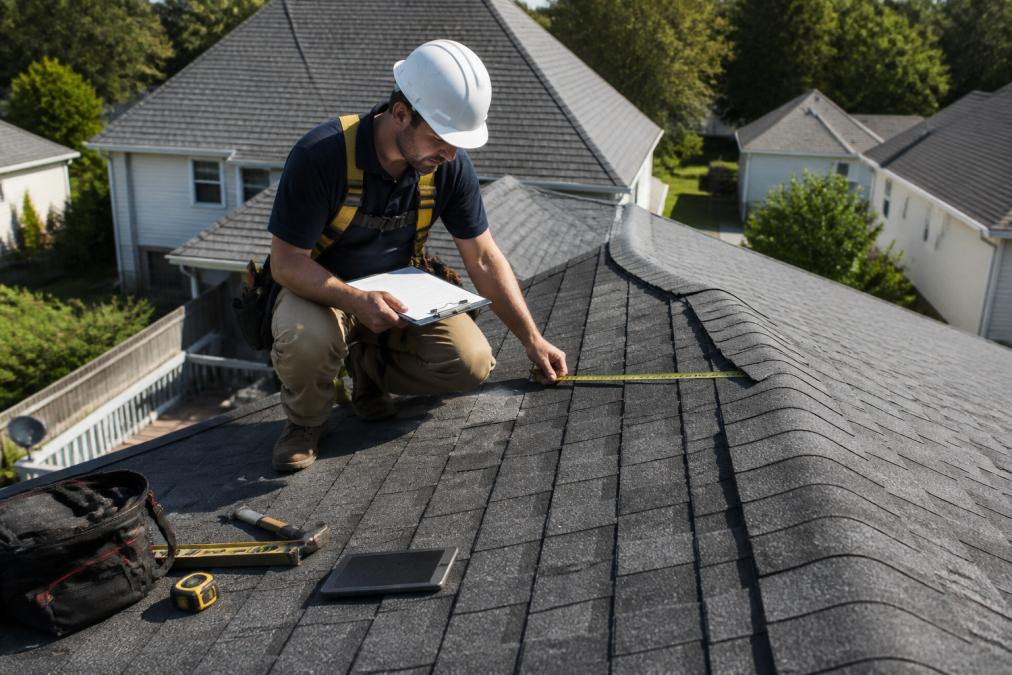
The repair-versus-replacement decision comes down to a straightforward cost-benefit analysis. Start by getting a professional inspection that includes your roof’s age, condition assessment, and honest projection of remaining lifespan.
Step 1: Determine Your Roof’s Age
Find out when your roof was installed. If you don’t have records, check your home’s purchase documents or ask previous owners. If the roof is under 10 years old, repair is almost always the right choice for localized damage. If it’s 15+ years old, replacement becomes increasingly attractive.
Step 2: Assess the Damage Scope
Is the damage isolated to one area, or is it widespread? A single leak or a few missing shingles suggests repair. Damage across multiple roof sections, particularly if it includes structural issues, points toward replacement.
Step 3: Calculate the Long-Term Cost
A repair might cost 10-15% of what a replacement would cost, but if your roof is 18 years old and has 2-5 years of life remaining, you’re choosing between paying for repair now and replacement in 2-5 years anyway. Replacement today makes financial sense because you get 20-30 years of roof life instead of a few more years of repairs.
Step 4: Consider Your Home’s Resale Value
A new roof significantly increases home value and appeal to buyers. If you’re planning to sell within the next 5 years, replacement may be worth the investment. If you’re staying long-term, the extended lifespan justifies the cost.
Step 5: Evaluate Your Insurance Coverage
If damage is covered by insurance, replacement becomes much more financially attractive because insurance reduces your out-of-pocket cost. This is another reason to have a professional assess your damage and help determine what your insurance will likely cover.
Step 6: Make Your Decision
If your roof is under 15 years old and damage is isolated, repair is the right choice. If your roof is 18+ years old and showing multiple signs of wear, replacement is almost always smarter than continued repairs. For roofs in the 15-18 year range with moderate damage, the decision depends on your specific circumstances.
Rescue Roofing provides comprehensive inspections and honest assessments to guide this decision. We don’t push replacement when repair makes sense, and we don’t recommend repair when replacement is the better long-term choice.
Conclusion
The choice between roof repair and replacement depends on your roof’s age, the extent of damage, the cost difference between the two options, and your roof’s remaining lifespan. A repair makes sense for newer roofs with isolated damage. Replacement makes sense for aging roofs or widespread damage that would require multiple repairs over the coming years.
Getting a professional inspection is the essential first step. Rescue Roofing provides accurate aerial quotes and thorough damage assessments that give you the information needed to make the right decision. We assist with insurance claims, communicate with adjusters on your behalf, and offer flexible financing to make replacement manageable. The National Roofing Contractors Association provides additional resources on roof maintenance and repair standards. Contact Rescue Roofing for a free inspection and honest assessment of whether repair or replacement is right for your situation.
Frequently Asked Questions
What is the 25% rule for roofing insurance claims?
The 25% rule is a common insurance guideline that helps determine whether roof repair or replacement is the better option. If the cost of repairs exceeds 25% of the replacement cost, some insurers recommend full replacement instead. This threshold varies by insurance company and policy, so review your homeowners insurance documentation or contact your adjuster directly to confirm your specific coverage terms and claim limits.
How can I tell if my roof damage is covered by insurance?
Roof damage coverage depends on the cause and your policy terms. Most homeowners insurance covers sudden, accidental damage from storms, hail, falling branches, or fire. However, damage from wear and tear, poor maintenance, or gradual deterioration is typically not covered. Review your policy's exclusions, deductible amount, and any age-related limits on coverage. After storm damage, file a claim promptly and request a professional inspection. An experienced roofing contractor can document damage with photos and detailed reports, which strengthens your claim when communicating with adjusters.
Should a 20-year-old roof be replaced?
Most asphalt shingle roofs last 15 to 25 years depending on climate, ventilation, and maintenance. At 20 years, your roof is nearing the end of its typical lifespan. Even if it appears intact, aging roofs lose granules, develop weak spots, and become vulnerable to leaks. A professional roof inspection can assess structural integrity, identify hidden damage, and confirm whether repairs will extend life or whether replacement is the safer investment. Replacing an aging roof before major failure prevents costly water damage and protects your home's structural integrity.
How much does roof repair or replacement cost for a 2,000 square foot house?
Repair costs for a 2,000 sq. ft. roof depend on the extent of isolated damage like a few damaged shingles or flashing repair. Full replacement costs depend on material choice, pitch, and local labor rates. Asphalt shingles are often an affordable option, while metal and high-end materials may cost more. Exact pricing varies based on your specific roof condition, material selection, and local market rates. Contact a local roofing contractor for a free inspection and detailed quote tailored to your home and damage assessment.
What are the signs that a roof is beyond repair?
A roof is typically beyond repair if it shows extensive damage across multiple areas, widespread granule loss, large sections of curling or missing shingles, sagging roof decking, or interior water damage and mold growth. Roofs older than 20 years with multiple leak points also become uneconomical to repair. If repairs would cost more than 25% of replacement, replacement may be the better choice. A professional roof inspection identifies whether localized damage can be fixed or if the entire roofing system needs replacement to restore safety and structural integrity.
This article was written using GrandRanker