



Table of Contents
- What to Look for in a Roofing Contractor
- Top Roofing Contractors Serving the Area
- Understanding the Roofing Insurance Claim Process
- Commercial Roof Restoration vs Replacement: Which Is Right for Your Business
- Roof Inspection Checklist: What Contractors Should Evaluate
- Red Flags When Hiring a Roofing Contractor
- How to Get Accurate Roofing Estimates
- Frequently Asked Questions
Last Updated: September 1, 2026
What to Look for in a Roofing Contractor
Finding the right roofing contractor is critical, the difference between quality work and corner-cutting often becomes apparent only after completion. Start by verifying licensing and insurance. A licensed contractor meets state requirements and understands local building codes; insurance protects you if someone is injured on your property. Ask for proof of both before proceeding.
Examine their experience with your specific roofing material. Asphalt shingles, metal roofing, and flat systems each require different expertise. A contractor experienced with residential asphalt may lack technical knowledge for commercial flat-roof or storm damage restoration work.
Communication matters significantly. The best roofing contractors explain their process clearly, answer questions without rushing, and keep you informed throughout the project. Vague timelines, materials, or warranty terms are red flags.
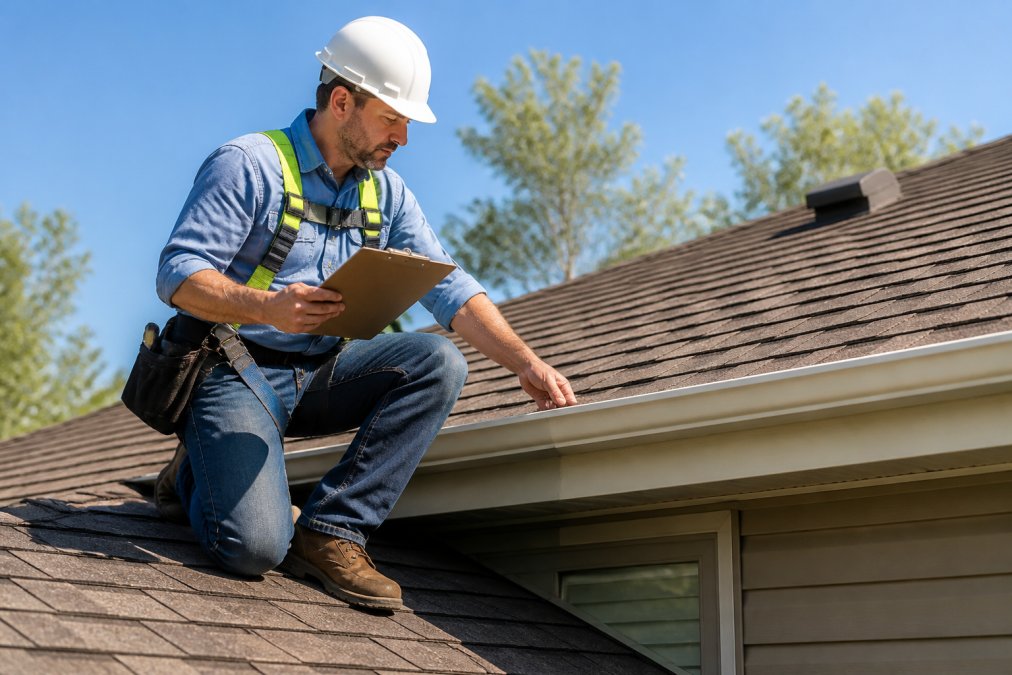
Check references and online reviews. Call recent clients and ask specific questions: Did they finish on time? Was cleanup thorough? Did they handle warranty issues promptly?
Ask potential contractors about their approach to insurance claims. The best roofing contractors will communicate directly with your insurance adjuster, document damage thoroughly, and help you understand your coverage. This alone can save you thousands of dollars.
Top Roofing Contractors Serving the Area
1. Rescue Roofing
Rescue Roofing stands out for comprehensive roofing solutions with genuine insurance claim support. They specialize in residential and commercial roof repairs, replacements, and storm damage restoration. Their commitment to accurate aerial quotes and thorough inspections provides transparent estimates upfront, eliminating surprises.
The insurance claim assistance is where Rescue Roofing delivers real value. They communicate with adjusters on your behalf, document damage comprehensively, and advocate for your coverage. Financing flexibility and 24-hour emergency availability provide additional peace of mind. Their service scope includes gutter installation, leaf gutter guards, and comprehensive roof inspections that prevent costly repairs.
2. A-Best Roofing
A-Best Roofing brings over three decades of experience to residential and commercial projects. Since 1988, they’ve built a reputation for material variety including asphalt shingles, metal roofing, slate, and tile. Their copper shop sets them apart for customers seeking premium materials or distinctive architectural details. GAF Residential Roofer certification confirms installation quality standards. Emergency repair services are available for storm damage or unexpected leaks.
3. Elliott Roofing
Elliott Roofing combines traditional expertise with modern solutions like Tesla Solar Roof installations. For customers integrating solar technology with roof replacement, this contractor offers capabilities most competitors don’t provide. Storm damage repairs and insurance claims assistance form a core part of their business. The BBB A+ rating reflects consistent performance over time.
4. Shamrock Roofing and Construction
Operating since 1977, Shamrock Roofing provides complete services for residential and commercial properties. They offer emergency storm repairs, full tear-offs, and planned replacements. Material options include asphalt shingles, metal roofing, and flat roofing systems (TPO and EPDM). Gutter and siding services extend their scope beyond roofing. Free inspections and clear estimates remove uncertainty, and storm damage restoration is a core competency.
5. GoldenRite Roofing and Construction Co.
GoldenRite specializes in roof replacement with particular strength in insurance claim navigation. Their reputation centers on transparent communication and professional service delivery. Solar vent installation and siding services complement their core roofing work. Thorough cleanup after projects reflects attention to detail that extends beyond the roofing itself.
6. Timeless Roofing & Construction
Timeless Roofing emphasizes honesty and quality workmanship across residential, commercial, and multi-family projects. Their service scope includes roof repair, replacement, storm restoration, and hail damage support. Insurance claim guidance is built into their approach, and the BBB A+ rating indicates consistent positive customer experiences. However, they do not offer emergency services.
Understanding the Roofing Insurance Claim Process
When storm damage strikes, document it immediately with photos and video from multiple angles. Contact your insurance company promptly, most policies require notification within a specific timeframe. Provide a clear description of what happened and the date.
Your adjuster will inspect your property to assess damage and determine coverage. Here’s where contractor selection matters significantly. The best roofing contractors will communicate directly with your adjuster, provide detailed damage assessments that support your claim, and help you understand coverage limits and deductibles. Some contractors work on a “supplement” basis, if the adjuster’s initial estimate is lower than the contractor’s assessment, the contractor documents the difference and requests additional payment.
Avoid contractors who pressure you to file inflated claims or suggest hiding damage to maximize payouts. Insurance fraud is illegal and can result in claim denial, policy cancellation, and criminal charges. Legitimate contractors work within your actual coverage to deliver quality repairs.
After approval, the contractor schedules work. Payment typically flows from your insurer directly to the contractor or to you, depending on your policy. Some policies require you to pay your deductible before work begins. Throughout the process, ask questions if your adjuster’s estimate seems low or if your contractor identifies additional damage. finding reliable local contractors.
Commercial Roof Restoration vs Replacement: Which Is Right for Your Business
Roof restoration involves repairing damaged sections, recoating the existing system, and extending its serviceable life. This approach works well for roofs 10-15 years old with localized damage (nrca.net). Restoration typically costs significantly less than replacement and requires less time, minimizing operational disruption.
Roof replacement removes the entire existing system and installs new roofing. This is necessary when your roof has reached end-of-life (typically 20-25 years), after severe storm damage, or when your business needs upgraded performance (nrca.net).
The decision hinges on three factors: your roof’s age and condition (a professional inspection provides objective data), your budget (replacement costs more upfront but provides 20+ years of protection), and your operational needs (if your business cannot tolerate disruption, restoration’s shorter timeline may be preferable). For many commercial property owners, the best roofing contractors will recommend restoration if your roof has 10+ years of remaining life and damage is localized. If your roof is nearing end-of-life or damage is widespread, replacement provides better long-term value.
Roof Inspection Checklist: What Contractors Should Evaluate
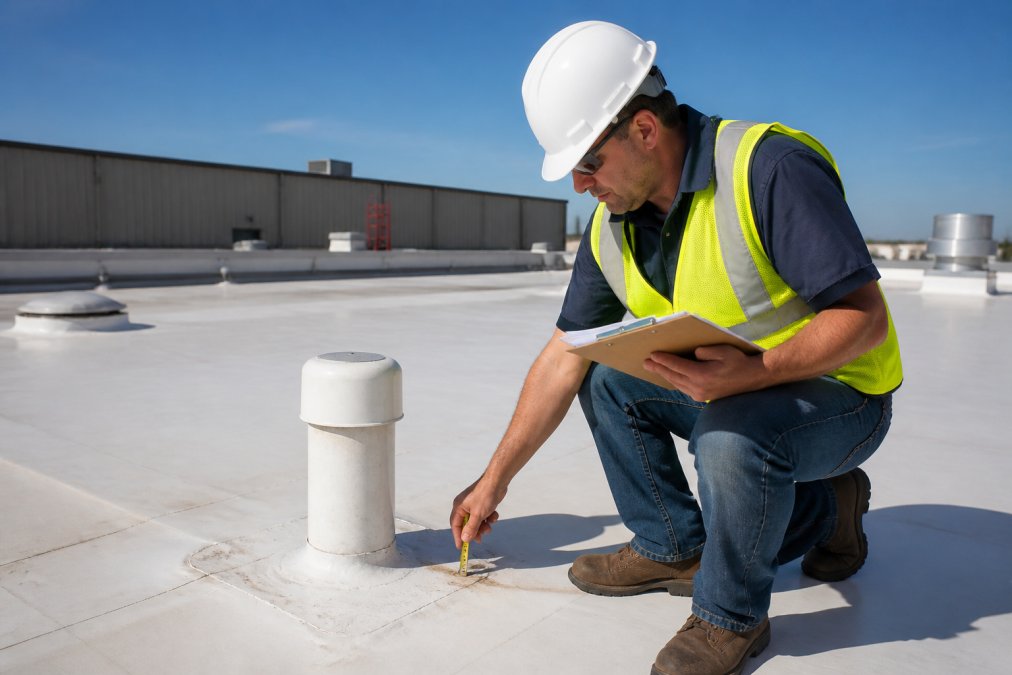
A thorough roof inspection identifies problems before they become expensive repairs. Inspectors should examine shingles for curling, cracking, or missing pieces, and check for granule loss indicating aging. On flat roofs, they assess the membrane for blistering, cracks, or pooling water.
Flashing and seams require careful attention, most leaks originate here. Inspectors should verify proper sealing around chimneys, vents, and skylights. Gutters and downspouts deserve examination to ensure they slope toward downspouts and direct water away from the foundation. Proper roof ventilation prevents moisture accumulation and extends roof life.
Inside the building, inspectors should check for water stains on ceilings and walls indicating past or current leaks, and examine attic framing for moisture damage or mold. Professional inspectors provide detailed reports with photos, specific problem locations, and recommendations. If a contractor offers only verbal assessment without documentation, that’s a red flag.
| Inspection Element | What to Look For | Why It Matters |
|---|---|---|
| Roof surface | Shingles: curling, cracking, granule loss; Flat roofs: blistering, pooling water | Indicates remaining roof life and repair needs |
| Flashing and seams | Proper sealing, no separation, no rust or corrosion | Most common leak sources |
| Gutters and downspouts | Proper slope, no clogs, water directed away from foundation | Prevents water damage to fascia and foundation |
| Roof ventilation | Vents unblocked, adequate airflow for climate | Extends roof life, prevents attic moisture damage |
| Interior condition | No water stains, no mold, no structural damage | Reveals hidden problems not visible from roof |
Red Flags When Hiring a Roofing Contractor
Contractors who pressure quick decisions signal they prioritize closing deals over understanding your needs. Legitimate contractors allow time for questions and don’t rush you toward contracts.
Estimates varying wildly from others warrant investigation. One low bid might reflect efficiency, but significantly lower estimates suggest corner-cutting. Conversely, extremely high estimates might indicate unnecessary work or inflated pricing.
Contractors unwilling to provide references should concern you. Legitimate businesses have satisfied customers willing to discuss their experience. Insurance and licensing issues are non-negotiable, lack of liability insurance and workers’ compensation coverage exposes you to financial risk.
Vague warranty language is another red flag. The best contractors clearly explain what their workmanship warranty covers, how long it lasts, and what you must do to maintain coverage. Contractors guaranteeing specific insurance claim outcomes should concern you, no one can guarantee what an adjuster will approve.
Poor communication during the estimate phase predicts problems during the project. Choose contractors who communicate clearly and respond promptly.
Be cautious of contractors appearing at your door after storms offering immediate inspections and repairs. While some are legitimate, others use high-pressure sales tactics and disappear after collecting payment. Always verify licensing, insurance, and references before signing any contract.
How to Get Accurate Roofing Estimates
Before requesting estimates, document your roof’s current condition with photos. Note your roof’s approximate age and describe your roofing material. Request estimates from at least three contractors using the same information so comparisons are meaningful.
During the estimate visit, contractors should spend adequate time assessing your roof and property, examining the roof surface, checking flashing and seams, evaluating gutters, and assessing interior conditions. Ask contractors to explain their estimate breakdown: What materials are included? What labor costs? Are permits included? Are there additional costs for cleanup or disposal?
The best roofing contractors use aerial quotes and detailed inspections to provide accurate estimates upfront. Be wary of estimates significantly below market rates, quality materials and experienced labor cost money. Professional contractors provide written estimates with detailed breakdowns, timelines, warranty information, and payment terms.
Ask contractors whether their estimate includes all costs or if additional charges might apply. Some deliberately underestimate initial costs, then add supplements later. Legitimate contractors provide comprehensive estimates reflecting actual project scope.
Finding the right roofing contractor requires careful evaluation of licensing, experience, communication, and references. The best roofing contractors combine technical expertise with genuine customer focus and transparent business practices. Rescue Roofing exemplifies these qualities through accurate aerial quotes, comprehensive insurance claim assistance, 24-hour emergency availability, and flexible financing options. When facing roof damage or replacement decisions, choosing a contractor who communicates clearly, documents thoroughly, and stands behind their work protects your property and investment. The National Roofing Contractors Association provides resources for understanding roofing standards and contractor qualifications. Contact Rescue Roofing for a free inspection and accurate estimate reflecting your property’s actual needs.
Frequently Asked Questions
How do I verify if a roofing contractor is licensed and insured?
Ask the contractor directly for proof of their license and insurance certificates before any work begins. Licensed and insured roofing contractors should provide these documents without hesitation. Verify the license with your state’s licensing board and call the insurance company to confirm active coverage. This protects you from liability if an accident occurs during the roofing project.
What does the roofing insurance claim process involve?
After storm damage, contact your insurance company to file a claim and request an adjuster inspection. Provide documentation of the damage with photos. A reputable roofing contractor can help by communicating directly with adjusters, submitting detailed repair estimates, and explaining damage that may not be immediately visible. Many contractors assist with the entire claim process, reducing your stress and ensuring fair compensation.
What are the signs that I need roof replacement versus repair?
A roof repair is appropriate for isolated damage like a few missing shingles or a small leak. Consider replacement if your roof is over 20 years old, has widespread damage across multiple areas, shows sagging or structural issues, or requires frequent repairs. A professional roof inspection checklist should evaluate shingle condition, flashing integrity, ventilation, and underlying structural damage to determine which option makes sense.
How long does a typical roof replacement take?
Most residential roof replacements take 1 to 3 days, depending on roof size, complexity, and weather conditions. Commercial roofing projects may take longer. Many contractors offer 24-hour availability for emergency repairs to minimize disruption to your home or business. Ask your contractor for a timeline before work begins so you can plan accordingly.
Should I choose commercial roof restoration or replacement for my business?
Restoration is cost-effective for roofs with minor damage and adequate remaining life, extending service by 5 to 10 years. Replacement is necessary if the roof is structurally compromised, nearing end of life, or has extensive damage. A professional inspection will reveal whether restoration can address your issues or if replacement is the better long-term investment for your commercial property.
This article was written using GrandRanker