


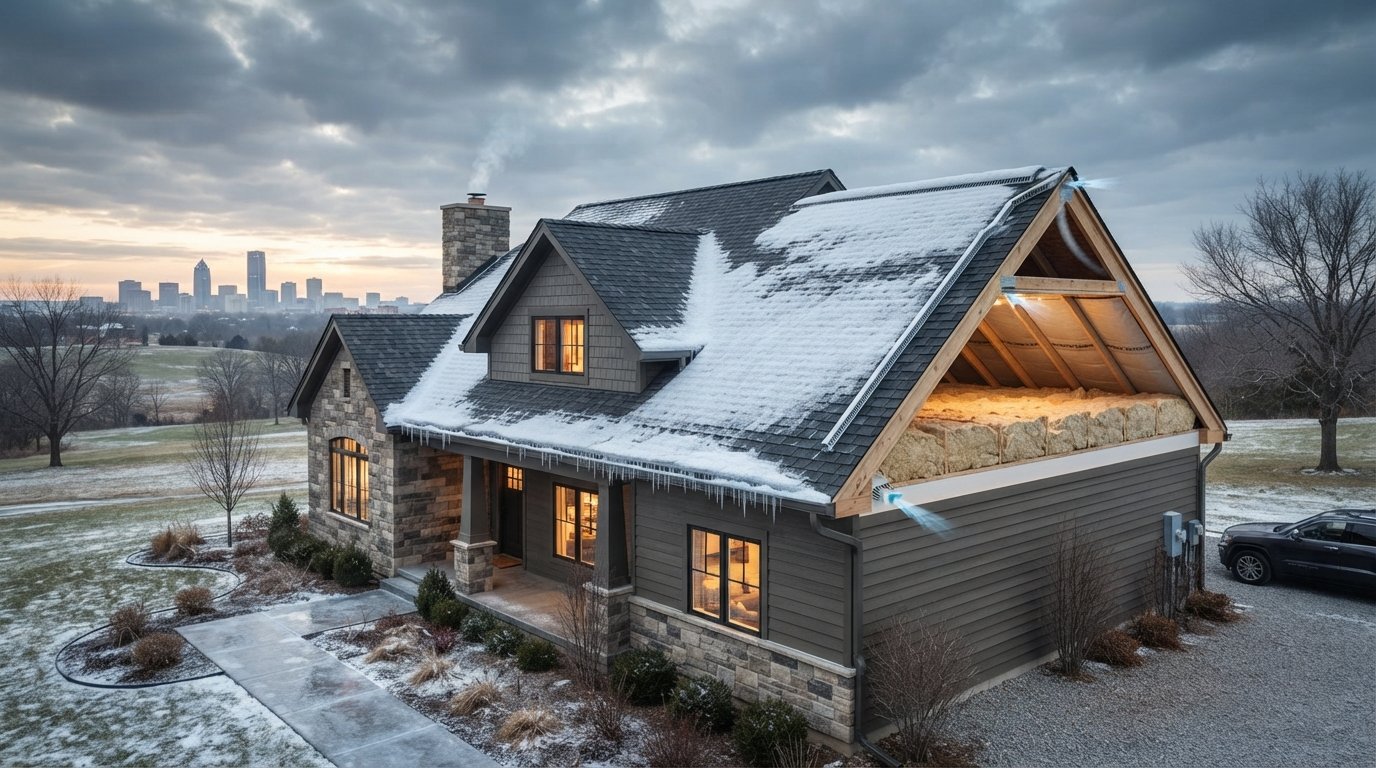

Did you know that those heavy icicles hanging from your eaves are actually a warning sign that your roof is melting from the inside out? It’s stressful to watch thick ice build up on your gutters while you wonder if the next thaw will send water dripping through your ceiling. You aren’t alone in feeling that winter anxiety, especially when Oklahoma’s volatile freeze-thaw cycles hit the Tulsa metro. Understanding how to prevent ice dams on roof in oklahoma is about more than just clearing snow; it’s about mastering your home’s thermal health and attic ventilation.
We promise that by the end of this 2026 guide, you’ll know exactly how to protect your property from the expensive water damage that follows a deep freeze. We’ll explore the science behind attic insulation, provide a DIY-friendly prevention checklist, and help you recognize when it’s time to call a local professional to ensure your family stays dry. By taking these proactive steps, you can rest easy knowing your home is ready for whatever the Green Country winter throws your way.
Key Takeaways
- Understand that ice dams are primarily a ventilation and insulation crisis that can lead to severe interior water damage and structural rot.
- Master the specific multi-layered strategy for how to prevent ice dams on roof in oklahoma by focusing on attic air sealing and maintaining clear gutter pathways.
- Learn how to achieve a “cold roof” by ensuring your attic ventilation meets the updated 2026 Oklahoma building codes to prevent premature snow melt.
- Identify the common “thermal bypasses” in your home where warm air escapes and discover the most effective ways to seal them before the first freeze.
- Recognize when professional intervention, such as installing specialized ice and water shields, is the safest and most reliable long-term solution for your property.
What Are Ice Dams and Why Are They a Problem for Oklahoma Roofs?
Oklahoma winters are famously unpredictable. One afternoon you might be wearing a light jacket in 60-degree weather, and by the next morning, an ice storm has coated the Tulsa metro in a thick, glassy shell. An ice dam is a ridge of ice that forms at the very edge of your roof. It acts like a wall, preventing melting snow or ice from draining into your gutters. When this happens, a reservoir of water builds up behind the ice ridge. This trapped water eventually finds its way under your shingles, leading to interior leaks that can damage your home’s structure.
For Tulsa homeowners, the stakes of ignoring these ice formations are high. Unlike northern states that handle feet of dry, powdery snow, Oklahoma often sees freezing rain that coats roofs in heavy, solid ice. This weight puts immense pressure on your shingles and gutters. If the water backs up, it doesn’t just stay on the roof. It can lead to several costly issues:
- Dark, bubbling water stains on your ceilings or interior walls.
- Soggy, compressed attic insulation that loses its ability to keep your home warm.
- Hidden mold growth in your attic that compromises your family’s indoor air quality.
Learning how to prevent ice dams on roof in oklahoma is essential because many local homes aren’t built with the same heavy-duty ice protections found in the deep North. We often see houses designed for summer heat that struggle when a polar plunge hits.
The Anatomy of an Oklahoma Ice Dam
The process starts when your attic is too warm compared to the outside air. Heat from your living space escapes into the attic and warms the roof deck. This causes the bottom layer of snow or ice to melt. The water then flows down to the eaves, which are colder because they hang over the exterior of the house. Once the water hits the cold eave, it refreezes. This cycle repeats until a thick ridge forms. This phenomenon of ice dams on sloped roofs is a common sight after a Green Country winter storm. The rapid freeze-thaw cycle in Oklahoma acts like a slow-motion pry bar, forcing water deeper into your roof’s layers every time the temperature fluctuates.
Why Tulsa’s Climate Accelerates Roof Damage
Our local weather is notoriously volatile. It’s common to see a 70-degree afternoon followed by a 20-degree night. These extreme temperature swings put immense stress on your roofing materials. Oklahoma experiences an average of 50 to 75 freeze-thaw cycles per winter, which is significantly more than many northern states. Humidity also plays a major role. High moisture levels in the air can lead to condensation in your attic if it isn’t properly ventilated. This moisture adds to the heat loss problem, making it even easier for ice dams to form. Understanding how to prevent ice dams on roof in oklahoma requires looking at your home as a complete system, from the gutters to the attic floor.
Identifying the Root Cause: Heat Loss and Attic Temperature
While the ice itself is what you see from the curb, the real trouble starts inside your attic. The primary reason ice dams form is that your roof deck is getting too warm. When heat from your living room or kitchen escapes into the attic, it warms the underside of your shingles. This causes snow or ice to melt even when the outside temperature is well below freezing. Understanding this thermal dynamic is the first step in learning how to prevent ice dams on roof in oklahoma effectively.
This process often happens through “thermal bridging,” where heat is conducted through solid materials like wooden rafters or ceiling joists. If your home has poor insulation, your expensive conditioned air is essentially being used to heat the sky. This is why consistent roof maintenance is so vital. A professional can spot the early signs of heat loss before the first winter storm arrives. For a deeper look at these thermal dynamics, the University of Minnesota Extension’s guide on preventing ice dams offers excellent technical insights into how indoor heat creates these outdoor problems.
Common ‘Heat Bypasses’ in Tulsa Homes
Many of the beautiful mid-century ranch homes and bungalows in Tulsa have hidden “heat bypasses.” These are small gaps or holes that allow warm air to bypass your insulation entirely. Common culprits include recessed “can” lights, attic hatches, and chimney chases. We often find that plumbing stacks aren’t properly sealed, allowing warm air to vent directly against the roof deck. Additionally, bathroom exhaust fans that vent into the attic rather than outdoors are a major source of both heat and moisture. Sealing these gaps is a critical part of how to prevent ice dams on roof in oklahoma.
The Role of Attic Insulation in Prevention
As of September 2026, Oklahoma’s updated building codes recommend higher insulation standards to combat our volatile weather. For the Tulsa metro area, which falls into Climate Zone 4A, modern recommendations specify an R-value between R-49 and R-60. In older homes, insulation often settles or degrades over time. This creates “cold spots” and “hot spots” on your roof. These temperature variations are exactly where ice dams thrive. It’s also essential to use baffles, or rafter vents, at the eaves. These ensure that your insulation doesn’t block the soffit vents, allowing cool air to wash under the roof deck and keep it at a consistent temperature. If you’re concerned about your attic’s performance, a professional roof inspection can help identify these invisible risks before the snow starts to fall.

5 Steps to Prevent Ice Dams on Your Roof This Winter
Preparing for an Oklahoma winter requires more than just checking your furnace. To truly understand how to prevent ice dams on roof in oklahoma, you must treat your home as a complete system. Prevention is a multi-layered approach that involves your attic, your roof surface, and your drainage system. We recommend making these checks an annual part of your roofing and roof repairs strategy. Before you begin, remember that safety is paramount. Never walk on an icy roof or climb a ladder in high winds; some tasks are best left to professionals.
Step 1: Seal Air Leaks and Upgrade Insulation
As we discussed in the previous section, heat loss is the primary culprit. Start by using spray foam or high-quality caulk to seal gaps around attic penetrations like plumbing stacks and light fixtures. If you add more insulation without sealing these air leaks, you might actually trap moisture and make the problem worse. For Tulsa homes in 2026, ensure your attic reaches the recommended R-49 to R-60 levels. This University of Minnesota Extension guide to ice dams provides excellent technical details on how air sealing and insulation work together to keep your roof deck cool.
Step 2: Clean and Inspect Your Gutter System
Clogged gutters are a major contributor to ice formation. When autumn leaves block your downspouts, water becomes trapped. During a freeze, this standing water turns into a solid block of ice right at your roof’s edge. This accelerates the damming process. We recommend a three-point gutter check:
- Clean your gutters thoroughly before the first frost.
- Check the pitch to ensure water flows toward downspouts without pooling.
- Consider gutter guards to keep debris out year-round.
A clear drainage path ensures that when snow does melt, it has somewhere to go besides under your shingles.
Step 3: Schedule a Professional Roof Inspection
A trained eye can see what most homeowners miss. During a pre-winter inspection, we look for “shingle lift,” which occurs when shingles have been weathered or damaged by previous storms. These small openings are prime entry points for backed-up water. Scheduling this service now is the best way to avoid a stressful emergency roof repair during a blizzard. At Rescue Roofing Tulsa, we specialize in identifying potential ice dam zones before they cause a leak. We’ll check your ventilation balance and shingle integrity to ensure your home is ready for the 2026 winter season.
Rounding out your prevention plan should include Step 4: Using a roof rake to safely remove heavy snow from the eaves after a storm, and Step 5: Assessing your attic ventilation balance. Keeping the air moving under your roof deck is the final piece of the puzzle, which we’ll explore in the next section.
Improving Roof Ventilation for Winter Protection
A well-functioning roof isn’t just a barrier against rain; it’s a breathing system that regulates temperature. When you’re looking for how to prevent ice dams on roof in oklahoma, the ultimate goal is to maintain what professionals call a “cold roof.” This means your attic temperature should stay as close to the outside air temperature as possible. When the roof deck stays cold, snow and ice won’t melt prematurely over your heated living spaces. This prevents the water from running down to the cold eaves where it inevitably refreezes into a dam. For a deeper dive into these systems, check out our guide on roof ventilation.
Soffit Vents and Ridge Vents: The Perfect Pair
A healthy attic relies on a balanced “intake and exhaust” system. Soffit vents, located under your eaves, act as the intake. They draw in cool, fresh air from the outside. As this air travels up the underside of your roof deck, it picks up heat and moisture before exiting through the ridge vents at the peak of your roof. This continuous cycle is essential. We often see homeowners accidentally block their soffit vents with thick layers of insulation or even layers of paint. Without that intake air, your ridge vents can’t do their job. A balanced system is your best defense against the condensation and uneven temperatures that trigger ice buildup during an Oklahoma freeze.
Signs Your Roof Vents Are Failing
How do you know if your ventilation is struggling? You don’t always have to wait for a leak to find out. During a cold snap, look for “ice spotting” or frost on the underside of your roof deck or on the nail heads in your attic. This indicates that warm, moist air is trapped and freezing inside your home. You might also notice rust on roofing nails or dark mold spots on your rafters. These are red flags that your attic isn’t breathing correctly. Under the 2024 International Residential Code adopted in 2026, specific ventilation ratios are required to ensure home safety. A professional roofing contractor can calculate these ratios for your specific square footage to ensure your system is balanced. If you suspect your attic is trapping heat, schedule a professional ventilation assessment with Rescue Roofing Tulsa to protect your home before the next storm hits.
Professional Solutions and When to Call Rescue Roofing
While the maintenance steps we’ve discussed are vital, some situations require heavy duty solutions that go beyond the reach of a roof rake. Professional intervention is the safest and most effective way to ensure your property survives a harsh 2026 winter. It’s important to avoid common DIY mistakes like using hammers, shovels, or harsh chemicals to break up ice. These methods often void your shingle warranties and cause permanent structural damage. Instead, we use specialized low-pressure steam to safely melt ice without compromising your shingles. A professional assessment focuses on long term fixes that address how to prevent ice dams on roof in oklahoma by upgrading your home’s physical defenses.
Advanced Protection: Ice and Water Shields
The most powerful tool in our professional arsenal is the installation of high quality ice and water shields. These self adhering polymer modified bitumen membranes provide a secondary waterproof barrier that shingles alone cannot offer. Under the 2024 International Residential Code updates effective in September 2026, Oklahoma has specific mandates for these barriers. During a roof replacement, we ensure these membranes extend from the eave edge to at least 24 inches inside the interior wall line. We also strictly follow the mandatory 36 inch valley rule, installing wide protection down the full length of every roof valley. This professional installation ensures that even if water backs up behind an ice ridge, it cannot penetrate your roof deck and cause interior rot.
Expert Assistance with Insurance Claims
If you discover that an ice dam has already caused water to seep into your ceilings or walls, you don’t have to face the repairs alone. Ice dam damage is a common result of severe winter weather and is often covered by standard homeowners’ insurance policies. Rescue Roofing Tulsa specializes in insurance claim assistance, helping you document the damage accurately and navigate the complex filing process. Acting quickly is essential to mitigate further interior damage and mold growth. As a locally owned company with deep roots in the Tulsa community, we pride ourselves on being a trusted advisor. We’ll provide a thorough inspection and clear documentation to help you get your home back to its best condition. Our team understands the specific environmental challenges of Green Country and is committed to providing the steady, reliable support you need during a winter emergency.
Secure Your Home for a Worry-Free Oklahoma Winter
Taking control of your attic’s thermal health is the most effective way to protect your property from the elements. By sealing hidden air leaks and ensuring your ventilation meets 2026 standards, you create a “cold roof” that naturally resists ice buildup. Proactive maintenance, like cleaning gutters and inspecting shingles, saves you from the stress of a sudden leak during a deep freeze. Mastering how to prevent ice dams on roof in oklahoma isn’t just about home improvement; it’s about peace of mind for your family.
As a locally owned and family operated business, we understand the unique weather challenges our neighbors face in Green Country. We’re proud to be Tulsa’s trusted insurance claim experts, standing by to guide you through any storm damage. If you do face an urgent issue, our 24/7 emergency repair services are available to restore your safety at any hour. We’re here to be your reliable partner in property care.
Protect your home this winter-Schedule a professional roof inspection with Rescue Roofing Tulsa today! Together, we’ll make sure your roof is ready to stand strong against whatever the season brings.
Frequently Asked Questions
Is it safe to knock icicles off my roof?
It’s generally unsafe to knock large icicles off your roof yourself. While small ones are usually harmless, heavy ice buildup can fall unexpectedly, causing serious injury or property damage. Striking icicles with a tool often leads to cracked gutters or torn shingles, especially in sub-freezing temperatures. If you’re worried about the weight, it’s best to contact a professional for a safe assessment rather than risking a fall or costly repairs.
Does homeowners insurance cover damage from ice dams in Oklahoma?
Most homeowners insurance policies in Oklahoma cover interior damage caused by ice dams, such as ruined drywall or soaked insulation. However, they rarely cover the cost of removing the ice dam itself. As Tulsa’s trusted insurance claim experts, we help homeowners document the intrusion and navigate the filing process to ensure repairs are handled correctly. Acting quickly is vital to prevent mold growth and further structural issues after a winter storm hits.
How much insulation do I need in my Tulsa attic to prevent ice dams?
To effectively manage how to prevent ice dams on roof in oklahoma, your attic insulation should meet the 2026 standards for Climate Zone 4A. For Tulsa homes, this means reaching an R-value between R-49 and R-60. This typically requires about 14 to 18 inches of cellulose or 19 to 24 inches of blown fiberglass. Proper depth ensures your roof deck stays cool, preventing the premature snow melt that causes ice ridges to form.
Can gutters actually cause ice dams?
Gutters don’t cause the initial heat loss, but clogged gutters significantly accelerate ice dam formation. When leaves or debris block drainage, water pools at the roof’s edge and freezes into a solid block. This creates a foundation for the ice dam to grow upward onto the shingles. Keeping your gutters clean and properly pitched is a critical step in your strategy for how to prevent ice dams on roof in oklahoma.
What is the fastest way to remove an ice dam in an emergency?
The fastest and safest way to remove an active ice dam in an emergency is low-pressure steam. Professionals use specialized steamers to melt the ice without damaging the underlying shingles or gutters. You should avoid using hammers, ice picks, or rock salt, as these methods often lead to permanent roof damage and void your manufacturer warranties. If you notice a leak, our 24/7 emergency repair services are available to mitigate the situation immediately.
Will a new roof automatically prevent ice dams?
A new roof won’t automatically stop ice dams if your attic has poor ventilation or inadequate insulation. Ice dams are a systemic issue caused by heat escaping your living space. However, a professional roof replacement includes the installation of modern ice and water shields in valleys and along eaves. These membranes provide a secondary waterproof barrier that prevents backed-up water from leaking into your home, even if a dam does form during extreme weather.
Are heat cables a good solution for Oklahoma homes?
Heat cables are often considered a temporary “band-aid” rather than a permanent solution for Oklahoma homes. While they can create channels for water to flow through the ice, they don’t address the root cause of heat loss from your attic. They also consume significant electricity and can be an eyesore. We recommend focusing on proper air sealing and insulation first, as these improvements provide year-round energy savings while naturally preventing ice formation.
How do I know if an ice dam is currently leaking into my house?
You can identify an active leak by looking for dark water stains on your ceilings or moisture along the tops of interior window frames. Check your attic for damp insulation or frost on the underside of the roof deck. Sometimes, water can even leak behind your exterior siding or into the soffits. If you see these signs during a freeze, it’s important to call for a professional inspection to prevent long-term structural rot.