


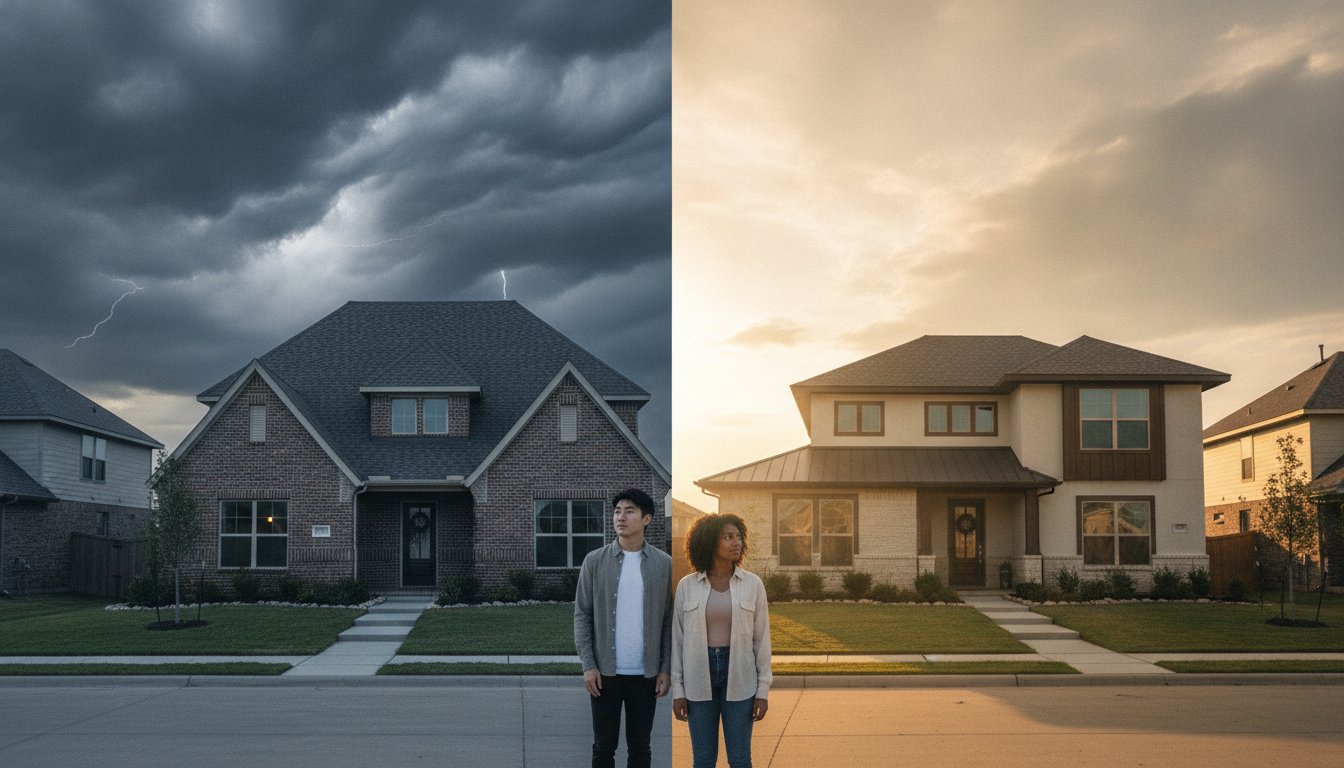

Did you know that the literal shape of your home could be the deciding factor in whether your property survives the next major Oklahoma wind storm? While many people choose a style based on looks alone, the gable roof vs hip roof debate is actually a matter of structural survival in the Tulsa area. You aren’t alone if you feel a sense of dread when the sky turns green. It’s a common fear for neighbors across Green Country who worry about roof failure and rising insurance premiums.
We understand that choosing a new roof is a significant investment, and the conflicting advice from various contractors doesn’t make it any easier. This guide provides the clarity you need to choose a style that protects your family and increases your home’s value. You’ll discover the critical differences in durability and storm resistance that matter most for our unique climate. We will also preview how your choice affects long-term maintenance costs and your eligibility for the 2026 Strengthen Oklahoma Homes grant program. This ensures your home is ready for whatever the next season brings.
Key Takeaways
- Learn how the aerodynamic design of a hip roof provides superior protection against Oklahoma’s high winds and tornadoes compared to traditional styles.
- Discover the critical cost differences in a gable roof vs hip roof, from initial installation materials to long-term insurance savings.
- Identify which roof shape maximizes your home’s attic volume and ventilation efficiency to handle Tulsa’s intense summer heat.
- Understand the 2026 insurance implications and how specific structural choices can qualify your home for state-funded storm resistance grants.
- Gain confidence in your decision by learning how to evaluate contractor quotes and navigate the complexities of storm-related insurance claims.
Table of Contents
Understanding the Basics: What is a Gable Roof vs. Hip Roof?
Walk through any Tulsa neighborhood, from the historic charm of Midtown to the newer developments in South Tulsa, and you’ll see two distinct silhouettes dominating the skyline. Choosing between a gable roof vs hip roof isn’t just a matter of curb appeal. It’s the first step in understanding how your home interacts with the unique Oklahoma elements. These two styles have remained the most popular choices for local homeowners for decades, each offering a different approach to sheltering your family.
Visual identification is simple once you know what to look for. A gable roof is the classic “A-frame” look. It features two sloping sides that meet at a center ridge, creating a flat triangular wall at each end. In contrast, a Hip roof is defined by four sloping sides that all meet at a peak or a shorter ridge. This design eliminates those flat vertical walls, giving the house a more compact, pyramid-like appearance. While one looks like a tall triangle, the other looks like a sturdy lid that wraps around the entire structure.
Why do these two styles dominate the residential landscape in Tulsa? Our climate demands a lot from a roof. We need structures that can shed heavy spring rains, provide ventilation during sweltering July afternoons, and stand firm against high prairie winds. Both styles have earned their place in our community, but they solve these environmental challenges in very different ways. Understanding their anatomy helps you see which one fits your specific needs for space and safety.
While pitched roofs are standard for Oklahoma homes, different regions and building types may require alternative solutions; for example, roofing contractors Nottingham often recommend specialized flat roofing systems for properties where traditional gable or hip designs aren’t the best fit.
Anatomy of a Gable Roof
The structure of a gable roof is beautifully straightforward. It consists of the ridge, which is the highest horizontal point, and the eaves, which are the edges that overhang your walls. The most defining feature is the triangular gable wall, often called the “rake.” Local homes often feature variations like cross-gable designs, where two gable sections meet at a right angle. This simple design is a favorite for traditional Tulsa homes because it’s easy to build and provides a classic, timeless look that fits into almost any neighborhood.
Anatomy of a Hip Roof
The “hip” refers to the external angle where two adjacent roof planes meet. Unlike the gable, every side of a hip roof slopes downward toward the walls. You’ll typically see “simple hip” designs on rectangular homes or “pyramid hip” designs on square structures. This four-way slope provides a “wrapped” aesthetic that many homeowners prefer for its modern, low-profile feel. Because the roof slopes on all four sides, it provides a consistent overhang around the entire house, which can help protect your siding and foundation from moisture.
Storm Resistance: How Hip and Gable Roofs Handle Oklahoma Winds
Tulsa homeowners know that wind isn’t just a breeze. It’s a recurring threat to our property. When we evaluate a gable roof vs hip roof, the primary concern is how the structure manages the intense pressure of an Oklahoma spring. A hip roof is naturally aerodynamic. Its four sloping sides allow wind to flow over the house from any direction. This design reduces the physical load on the structure significantly. In fact, research shows that peak wind pressures on hip roofs can be as much as 50% lower than on comparable gable roofs.
Gable roofs face a much tougher challenge during a tornado or severe straight-line wind event. The flat vertical wall of a gable acts like a giant sail. When wind hits that flat surface, it has nowhere to go but up and around. This creates a “wind uplift” effect. This pressure can literally peel the roof deck away from the walls if it isn’t properly anchored. It’s a common failure point our team sees in older neighborhoods after a major storm. Beyond wind, the slope of your roof also dictates how well it sheds heavy rain and resists hail impact. Steeper angles can help deflect hail stones, reducing the direct force of the impact on your shingles.
Why Hip Roofs Win in High-Wind Zones
The four-way slope of a hip roof makes it inherently self-bracing. This means the roof planes lean against each other for support, which requires less additional bracing to handle lateral wind loads. According to research on wind resistance, a 30-degree slope is often considered the “sweet spot” for minimizing wind pressure. This specific angle helps prevent the lifting effect that often damages gable ends. It’s why many insurance companies and building codes in hurricane and tornado-prone regions prioritize hip designs.
Gable Roof Vulnerabilities and Reinforcements
The most common failure points on a gable roof are the gable wall itself and the first few feet of the ridge. If the wall isn’t braced correctly, the wind can push it inward or pull it outward. We specialize in reinforcing these existing gables to improve your home’s safety. This often involves installing additional bracing in the attic to tie the gable wall into the rest of the roof structure. Consistent roofing maintenance is essential after any major wind event to check for loosened fasteners or shifted shingles. If you’re worried about your roof’s stability, a professional roof inspection can identify these weak points before the next storm season arrives.
Comparing Costs, Maintenance, and Insurance Impact
When you weigh the choice of a gable roof vs hip roof, the conversation eventually turns to the bottom line. It’s a balance between your immediate budget and the long-term cost of protecting your home in Tulsa. While the structural differences affect how your home stands up to a storm, they also dictate how much you’ll pay for materials, labor, and even your monthly insurance premiums. Understanding these financial trade-offs helps you make a choice that fits both your lifestyle and your wallet.
A hip roof typically carries a cost premium of 10% to 20% over a standard gable roof. This isn’t just a random markup; it’s a reflection of the complexity involved in the build. Framing four sloping sides requires more precision and significantly more time from a framing crew. Additionally, Oklahoma building codes require a full tear-off of old materials before a new installation. This “one-layer” rule means that the increased surface area and complex angles of a hip roof will result in higher labor costs for both the removal and the replacement phases.
The Cost of Complexity
The financial difference also shows up in material waste. Because of the diagonal cuts required to fit shingles along the “hips” of the roof, we often see higher waste percentages compared to the straight runs of a gable design. You’ll also need more hip and ridge caps to seal those four joining planes. If you’re currently planning a project, it’s helpful to review our guide on roof replacement in Tulsa to understand how these material choices impact your total investment. While the upfront cost is higher, the structural stability often leads to fewer repairs over the roof’s lifespan.
Insurance and Storm Damage Claims
In Oklahoma, your roof shape can be a powerful tool for lowering your insurance rates. Many insurers offer a “Wind Mitigation” discount for hip roofs because they’re less likely to suffer catastrophic failure during high-wind events. Some homeowners in our area have seen premium discounts as high as 42% on the wind and hail portion of their policy by opting for wind-resistant shapes and materials. This is a significant factor in your long-term return on investment.
When a storm does hit, the shape of your roof also influences the inspection process. Adjusters look for specific wear patterns on gable ends that might indicate structural stress. We take pride in helping our neighbors navigate these complexities. If you’ve recently experienced heavy weather, Rescue Roofing Tulsa can provide a detailed assessment and assist with roof repair in Tulsa to ensure your home remains qualified for those valuable insurance discounts. We believe in transparency, so you’ll always know exactly how your roof’s design is affecting your coverage and your claims.
Space and Style: Attic Room vs. Curb Appeal
When we move past the structural physics and cost sheets, we find that the gable roof vs hip roof choice profoundly impacts how you live inside your home. While wind resistance and insurance savings are vital for your peace of mind, the shape of your roof also determines your available storage and the overall “feel” of your property. For many Tulsa families, the decision often comes down to a choice between extra square footage and a specific architectural aesthetic.
Ventilation is another critical factor for any Tulsa attic during our 100-degree summer days. Gable roofs offer a distinct advantage here because they allow for the installation of large gable vents on the vertical walls. This, combined with ridge vents, creates a powerful cross-breeze that helps flush out trapped heat. Hip roofs, while sleek, rely almost entirely on ridge and soffit vents. This requires a more precise balance to ensure your shingles don’t “bake” from the inside out during a typical Oklahoma July.
Living Space and Storage
If you’re planning a future attic conversion or simply need a place for holiday decorations, the gable roof is the superior choice. The vertical walls at each end of the house provide consistent head height across the room. This makes it easy to install standard windows for natural light without the complexity of building dormers. Hip roofs, by contrast, feature four sloping planes that meet toward the center. This design significantly limits usable square footage and creates a “caged-in” feeling. While a hip roof is incredibly sturdy, it often leaves you with a cramped attic that is better suited for insulation than for living space.
Aesthetic Integration in Tulsa Neighborhoods
Your choice should also harmonize with the architectural character of your specific community. In Midtown Tulsa, many of the historic bungalows and Tudor-style homes rely on steep gables to create that iconic, high-profile look. These roofs add a sense of height and “grandeur” to smaller lots. Conversely, in South Tulsa or Broken Arrow, you’ll often see sprawling ranch-style homes where hip roofs provide a sleek, grounded aesthetic. These designs minimize the “visual weight” of the house, making it feel more integrated with the landscape. Some homeowners choose “gabled-hips,” which use a hip structure for the main body of the house but add decorative gables over entryways to get the best of both worlds.
If you’re unsure which style fits your neighborhood’s aesthetic or your family’s future needs, we’re here to help. Contact us for a professional roof inspection to evaluate your current structure and discuss your options for a full replacement.
Making the Choice with Rescue Roofing Tulsa
Deciding on a gable roof vs hip roof is one of the most significant choices you’ll make for your home’s longevity. It’s not just about the silhouette against the Oklahoma sunset. It’s about how your home stands up to the next severe weather event. We understand the stress that comes with these decisions. Our goal is to provide a steady hand and expert advice so you can feel confident in your investment. We don’t just see a project; we see a neighbor’s home that needs protection. Our team is here to guide you through every step of the process, ensuring your choice fits your budget and your safety needs.
Every property in the Tulsa area has different wind exposure levels. A home on an open ridge in Sand Springs faces different challenges than a house tucked into a wooded lot in Jenks. During our personalized consultation, we evaluate your specific location and the current structural health of your roof. We help you weigh the aerodynamic benefits of a hip roof against the classic look and space of a gable. We also guide you through material selection. We often recommend Class 4 impact-resistant shingles. These are the gold standard for our area and can significantly reduce your insurance premiums while providing superior hail protection.
Our Local Tulsa Expertise
We’ve spent years helping our community identify the signs you need a new roof. In Tulsa, those signs often include wind uplift on gable ends or significant granule loss after a heavy hail season. If you choose to keep a gable design, we recommend specific reinforcements to ensure it meets current wind resistance standards. We focus on securing the roof deck and ensuring proper bracing in the attic. As a family-owned business, we’re committed to quality that lasts for generations. We handle the complex insurance paperwork and local building permits so you can focus on your family. Our familiarity with the 2018 International Residential Code ensures your new roof meets all City of Tulsa requirements, including proper drip edges and ice and water shields.
Get Started on Your Roof Project
Your path to a safer home starts with a simple conversation. We provide a thorough inspection to assess your roof’s current state and identify any hidden storm damage. From there, we enter the design and estimation phase. We’ll show you exactly how each roof shape will look on your home and explain the long-term maintenance expectations for each. You won’t find any hidden fees or high-pressure sales tactics here. We believe in transparency and honest communication. We’re ready to help you build a roof that survives the 2026 storm season and beyond. Contact Rescue Roofing Tulsa for your free estimate today!
Protecting Your Family and Your Investment
Choosing the right structure for your home is about more than just aesthetics. It’s about ensuring your property can withstand the unpredictable Oklahoma weather for years to come. We’ve explored how the choice of a gable roof vs hip roof impacts everything from your attic storage to your monthly insurance premiums. While hip roofs offer superior aerodynamics during high winds, a reinforced gable roof can still provide the classic Tulsa look you love with the extra space your family needs.
As a Tulsa-owned and operated business, Rescue Roofing Tulsa is deeply committed to our neighbors’ safety. We are specialists in Oklahoma storm damage and insurance claims, helping you navigate the complex process of a full residential replacement. Whether you need 24/7 emergency roof repair services or a planned upgrade, our team is ready to help. We’ll ensure your new roof meets all local 2026 building codes while maximizing your home’s value.
Secure Your Tulsa Home with a Professional Roof Replacement from Rescue Roofing Tulsa
Taking the next step doesn’t have to be stressful. We’re here to provide the local expertise and honest guidance you deserve. Let’s work together to make your home the safest place for your family to grow.
Frequently Asked Questions
Is a hip roof or gable roof better for Oklahoma weather?
A hip roof is generally superior for Oklahoma weather because its four-way slope provides better aerodynamic stability against high winds. Research shows peak wind pressures on hip roofs can be 50% lower than on gable styles. This shape minimizes the “uplift” effect that often damages homes during severe prairie storms.
Why is a hip roof more expensive than a gable roof?
Hip roofs are more expensive due to the complexity of the framing and the increased amount of materials required. They typically cost 10% to 20% more because they require more rafters, additional shingle waste from diagonal cuts, and more hip and ridge caps. The labor intensity is also higher as every side must be precisely measured and sloped.
Can I change my gable roof to a hip roof during a replacement?
Yes, you can change your roof style, but it requires significant structural modifications to your home’s framing. This process involves removing the existing gable walls and re-framing the ends of the house to create the new slopes. We can evaluate your current structure during an inspection to determine the feasibility and provide a detailed plan for the transition.
Which roof style is more likely to leak in Tulsa?
Hip roofs technically have more seams where the different planes meet, which can increase the potential for leaks if not installed correctly. However, gable roofs are vulnerable at the junction where the roof meets the vertical wall. Our team uses high-quality underlayment and flashing to ensure both styles remain watertight during our heavy spring rains.
Does a hip roof lower my home insurance in Oklahoma?
Yes, many Oklahoma insurance providers offer premium discounts for homes with hip roofs. Because the gable roof vs hip roof debate favors the hip roof for wind resistance, insurers view it as a lower risk. Some homeowners save significantly on the wind and hail portion of their premiums by choosing this more stable shape.
Do gable roofs need more ventilation in the summer?
Gable roofs don’t necessarily need more ventilation, but they offer more options for it. Their vertical walls allow for large gable vents that work with ridge vents to flush out heat. This is helpful during Tulsa’s 100-degree summers. Hip roofs rely on a precise balance of soffit and ridge vents because they lack those vertical wall spaces.
Which roof style is better for a home addition in Tulsa?
Gable roofs are often the preferred choice for additions because they are easier to tie into the existing structure. The simple two-sided design allows for a straightforward connection to the original house. Hip roofs are more complex to join, often requiring intricate valley work that can increase the cost of your home improvement project.
How long does it take to install a hip roof vs. a gable roof?
A hip roof typically takes one to two days longer to install than a gable roof of the same size. The extra time is needed for the complex framing and the meticulous cutting of shingles along the diagonal hips. While a standard gable replacement might be finished in a single day, the four-sided hip design requires more patience and precision.