


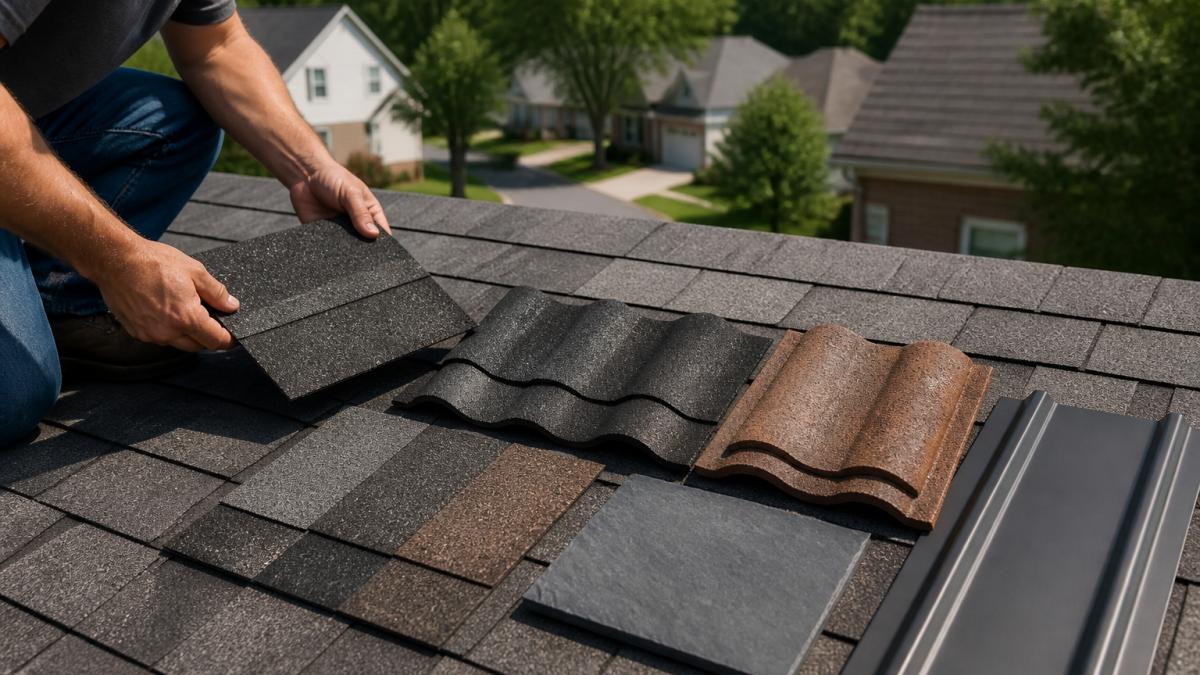

Table of Contents
- Roof Lifespan by Material: What to Expect
- How Long Do Asphalt Shingles Last?
- Does a 30-Year Roof Actually Last 30 Years?
- Factors That Affect Roof Longevity
- Roof Maintenance Tips to Extend Lifespan
- Lifecycle Cost: What Your Roof Really Costs Per Year
- When to Replace vs. Repair: Making the Right Call
- Frequently Asked Questions
Last Updated: October 4, 2026
Roof Lifespan by Material: What to Expect
Understanding the average lifespan of residential roofing materials 2026 helps you plan repairs, budget for replacement, and avoid costly surprises.
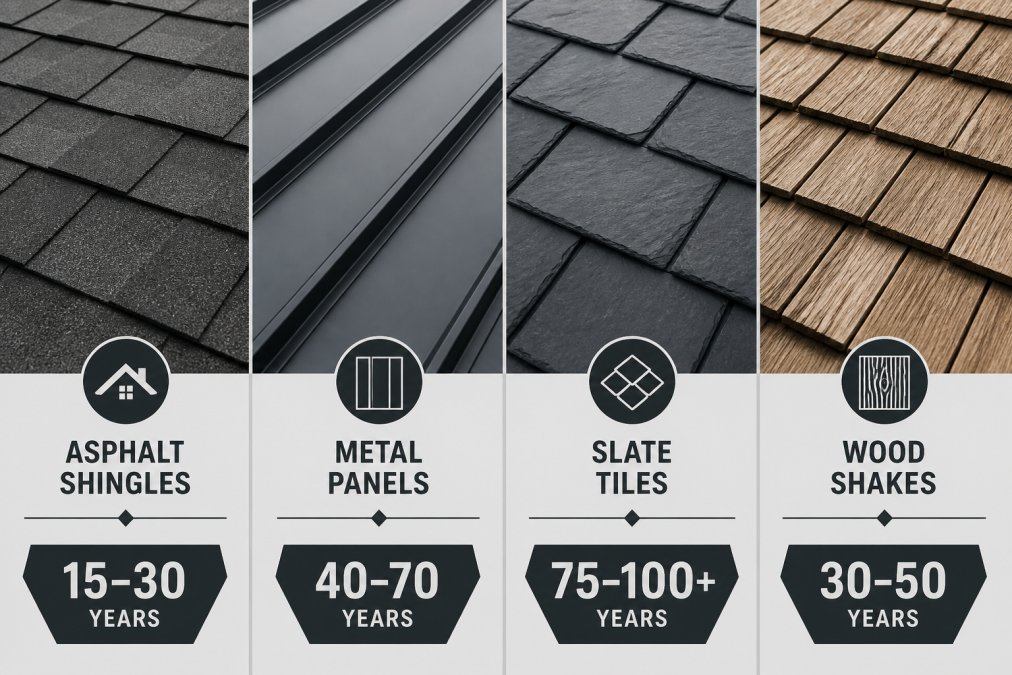
The lifespan of your roof depends almost entirely on what it’s made from. Asphalt shingles, the most common choice across residential properties, typically last between 20 and 30 years under normal conditions. Metal roofing systems can stretch to 40-70 years. Premium materials like slate and tile routinely exceed 75 years, sometimes lasting over a century. Wood shakes fall somewhere in the middle at 20-40 years, though they require more active maintenance.
Material choice is just the starting point. Installation quality, local climate, maintenance habits, and ventilation all dramatically affect whether your roof reaches its expected lifespan or fails years early.
Asphalt Shingles: The Most Common Choice
Asphalt shingles dominate residential roofing because they’re affordable and straightforward to install. Most last 20-30 years, though harsh conditions or poor installation can reduce this to 15 years.
UV exposure gradually breaks down the asphalt binder, causing granules to shed and brittleness. In humid climates or shaded areas, algae and moss growth accelerate deterioration.
Three-tab shingles typically last 15-20 years. Architectural shingles are thicker and reach 25-30 years or longer, providing better UV protection and wind resistance.
Metal Roofing: Durability and Performance
Standing-seam metal roofs commonly last 40-70 years, making them one of the best long-term investments available.
Standing-seam systems offer the best water shedding and longest lifespan. Corrugated metal and metal shingles perform well but may not reach the upper end of the 40-70 year range.
Metal resists UV damage, wind, and moisture. The main vulnerability is fastener corrosion; proper installation with quality fasteners is critical.
Premium Materials: Slate, Tile, and Wood
Quality slate roofs routinely last 75-150 years. Slate is a natural stone that doesn’t degrade from UV exposure or weather.
Clay and concrete tile roofing deliver 50-100 years of service. The main failure point is usually the mortar or fastening system, not the tiles themselves.
Cedar shakes last 20-40 years with proper maintenance including regular inspection and treatment to prevent rot. Without maintenance, wood roofing fails much faster.
How Long Do Asphalt Shingles Last?
Asphalt shingles are the standard against which most homeowners measure roof lifespan. Understanding the difference between the common types helps you make a realistic forecast for your own roof.
Three-Tab vs. Architectural Shingles
Three-tab shingles typically last 15-20 years, sometimes reaching 25 years in ideal conditions.
Architectural shingles are thicker with a layered appearance, offering better UV protection and wind resistance for 25-30 years. The 20-30% cost difference often justifies the extra lifespan.
Laminate Shingles and Performance Grades
Premium architectural shingles add enhanced durability and sometimes impact resistance for hail-prone areas. Impact-resistant shingles may qualify you for insurance discounts and provide significant storm protection.
Does a 30-Year Roof Actually Last 30 Years?
A “30-year” label is a warranty statement based on controlled testing, not a guarantee. Poor installation is the biggest culprit in premature failure, a 30-year shingle installed poorly might only last 15-20 years.
Climate and weather exposure matter enormously. Hot, sunny climates, high winds, heavy snow, freeze-thaw cycles, and humidity all accelerate wear.
Regular inspection, debris cleaning, and prompt repairs extend lifespan significantly. A well-maintained roof might reach 35-40 years; a neglected one might fail at 15 years.
Most asphalt shingle warranties are prorated, covering full replacement for only 10 years, then decreasing. Read the fine print.
Factors That Affect Roof Longevity
Several factors work together to determine whether your roof reaches its expected lifespan or fails early. Understanding these factors helps you take action to extend your roof’s life.
Climate, Weather, and Regional Conditions
Your local climate is one of the biggest determinants of roof lifespan. Roofs in temperate climates with moderate temperatures and moderate precipitation last longer than roofs exposed to extreme conditions.
Hot, sunny climates accelerate UV damage to asphalt shingles. The constant heat and intense sun break down the asphalt binder faster, causing premature granule loss and brittleness. Roofs in the Southwest or South generally have shorter lifespans than roofs in cooler regions.
Cold climates create freeze-thaw cycles that damage materials. Snow and ice load also stress the structure.
Humid climates promote algae and moss growth, which retain moisture and cause premature deterioration.
High wind areas stress roofing systems and damage flashing. Hail-prone regions see impact damage that creates entry points for water.
Installation Quality and Workmanship
How your roof is installed matters as much as the materials themselves. Poor installation is one of the leading causes of premature roof failure.
Proper nailing is critical. Shingles must be nailed in the correct locations with the correct number of fasteners. Under-nailing or over-nailing both cause problems. Nails must be driven straight and flush with the shingle surface, not at an angle or with the head protruding.
Flashing around chimneys, vents, and skylights must be sealed properly. Starter strips, ridge caps, and sheathing preparation are critical details that protect roof edges and prevent weak points.
Ventilation, Underlayment, and Roof Pitch
Proper attic ventilation extends roof lifespan significantly. Heat and moisture trapped in the attic accelerate shingle deterioration from below. Adequate soffit and ridge ventilation keeps the attic cooler and drier, which keeps the roof deck and shingles in better condition longer.
Underlayment provides a secondary water barrier. Quality underlayment prevents water from reaching the roof deck even if shingles are damaged. It also provides some protection during the installation process. Synthetic underlayment performs better than traditional felt in most climates.
Roof pitch affects water drainage and longevity. Steeper roofs shed water faster, reducing moisture exposure. Low-pitch roofs retain water longer, increasing the risk of leaks and rot. Very low-pitch roofs are more prone to pooling and premature failure.
Roof Maintenance Tips to Extend Lifespan
You can extend your roof’s lifespan significantly with regular maintenance. The goal is to catch small problems before they become big ones.
Regular Inspections and Repairs
Inspect your roof at least twice per year, in spring and fall. Look for missing or damaged shingles, lifted edges, and signs of water damage. Walk the roof carefully or use binoculars from the ground to avoid accidents.
Minor repairs pay dividends. A single missing shingle might seem minor, but water will eventually find that gap and cause rot in the roof deck. Replace missing or damaged shingles promptly. Seal any gaps around flashing with roofing cement.
Flashing inspection is important. Check for gaps, rust, or separation. Flashing around chimneys, vents, and skylights should be sealed tight. If you see water stains on the interior ceiling, investigate the corresponding roof area immediately.
Professional inspections every few years catch problems you might miss. A qualified roofer can identify early signs of wear, ventilation problems, or structural issues that need attention.
Debris Removal and Gutter Maintenance
Leaves, branches, and debris on the roof trap moisture and promote algae growth. Clean your roof regularly, especially after storms. Use caution when working at height, or hire a professional.
Gutters clogged with debris cause water to back up under the shingles, leading to rot and leaks. Clean gutters at least twice per year. Gutter guards reduce maintenance but don’t eliminate the need for occasional cleaning.
Proper drainage is critical. Water should flow freely from the roof through gutters and downspouts, away from the foundation. Pooling water or improper drainage accelerates roof failure and can damage your home’s foundation.
Lifecycle Cost: What Your Roof Really Costs Per Year
When evaluating roofing options, consider the cost per year of service, not just the upfront price. A more expensive roof that lasts longer often costs less per year than a cheaper option that fails sooner.
Asphalt shingles have the lowest upfront cost but moderate lifespan. Metal roofing costs significantly more upfront but lasts much longer, often delivering lower cost per year. Slate and tile have the highest upfront cost but the longest lifespan, sometimes resulting in the lowest per-year cost over a 100-year span.
Maintenance costs vary by material. Asphalt shingles require minimal maintenance. Wood requires regular treatment and inspection. Metal and premium materials require less frequent maintenance.
Energy efficiency also factors into lifecycle cost. Metal roofing and light-colored materials reflect heat, reducing cooling costs. This benefit compounds over decades, making the higher upfront cost more economical.
| Roofing Material | Typical Lifespan | Upfront Cost Level | Maintenance Level | Best For |
|---|---|---|---|---|
| Three-Tab Asphalt | 15-20 years | Low | Minimal | Budget-conscious homeowners |
| Architectural Asphalt | 25-30 years | Low-Medium | Minimal | Most homeowners |
| Metal Standing-Seam | 40-70 years | High | Low | Long-term value seekers |
| Wood Shakes | 20-40 years | Medium-High | High | Character and aesthetics |
| Slate | 75-150 years | Very High | Low | Historic homes, premium properties |
| Clay/Concrete Tile | 50-100 years | High | Low | Warm climates, premium look |
When to Replace vs. Repair: Making the Right Call
Deciding whether to repair or replace your roof is one of the toughest calls homeowners face. A few guidelines help.
If your roof is less than halfway through its expected lifespan and damage is limited to a small area, repair usually makes sense. A few missing shingles or a small leak can be fixed affordably.
If your roof is approaching the end of its lifespan (typically 20+ years for asphalt), even small damage might be a sign that replacement is coming soon. Continuing to patch a failing roof is like bailing water out of a sinking boat.
If damage is extensive, covers more than 30% of the roof, or involves multiple areas, replacement is usually more economical than repair. Patching multiple areas doesn’t address the underlying aging of the entire roof.
Signs that replacement is necessary include widespread missing shingles, sagging roof deck, multiple active leaks, rot in the roof structure, or shingles that are curling and deteriorating across much of the roof.
The age of your roof matters. Asphalt shingles older than 20 years are at higher risk of failure. Metal roofing older than 50 years might have fastener corrosion issues. Slate and tile can last indefinitely if the fastening system is maintained.
When you’re unsure, get a professional inspection. A qualified roofer can assess the condition and recommend repair or replacement based on the actual state of your roof. At Rescue Roofing, we provide thorough inspections using accurate aerial quotes and detailed analysis, so you know exactly what your roof needs.
Your roof is one of your home’s most critical systems. Understanding the average lifespan of residential roofing materials 2026 and the factors that affect longevity helps you make informed decisions about repair versus replacement. Regular inspections and maintenance extend the life of any roof, while poor installation or neglect can cut years off even the best materials. When you’re ready to assess your roof’s condition or plan for replacement, professional inspection reveals exactly what you’re working with.
Frequently Asked Questions
Does a 30-year roof really last 30 years?
Not necessarily. A 30-year roof is rated to last 30 years under ideal conditions, but real-world lifespan depends heavily on climate, installation quality, and maintenance. Roofs in harsh weather or with poor ventilation often fail before 30 years. Regular inspections help catch problems early and can extend actual service life, but many homeowners need replacement sooner than the warranty suggests.
How long do asphalt shingles actually last?
Standard three-tab asphalt shingles typically last 12-20 years, while architectural shingles last 20-30 years. Lifespan varies based on climate exposure, roof pitch, ventilation, and maintenance. Homes in hot, sunny regions see shorter lifespans due to UV exposure and thermal stress. Regular inspections and timely repairs can help you get closer to the upper end of that range.
What factors affect how long a roof lasts?
Climate, weather exposure, and UV intensity are primary factors, hail, wind, and moisture accelerate degradation. Installation quality and workmanship matter significantly; poor ventilation and underlayment installation reduce lifespan. Roof pitch affects water drainage and debris accumulation. Regular maintenance, including gutter cleaning and prompt repairs, extends service life across all materials. Material quality also plays a role; premium grades outperform budget options.
Which residential roofing material lasts the longest?
Slate and clay tile can last 75-150 years, making them the longest-lasting materials. Metal roofing lasts 40-70 years with proper installation. Wood shakes last 20-40 years but require specialized maintenance. Asphalt shingles last 12-30 years depending on grade. While premium materials cost more upfront, their lifecycle cost per year is often lower than replacing asphalt shingles multiple times over the same period.