


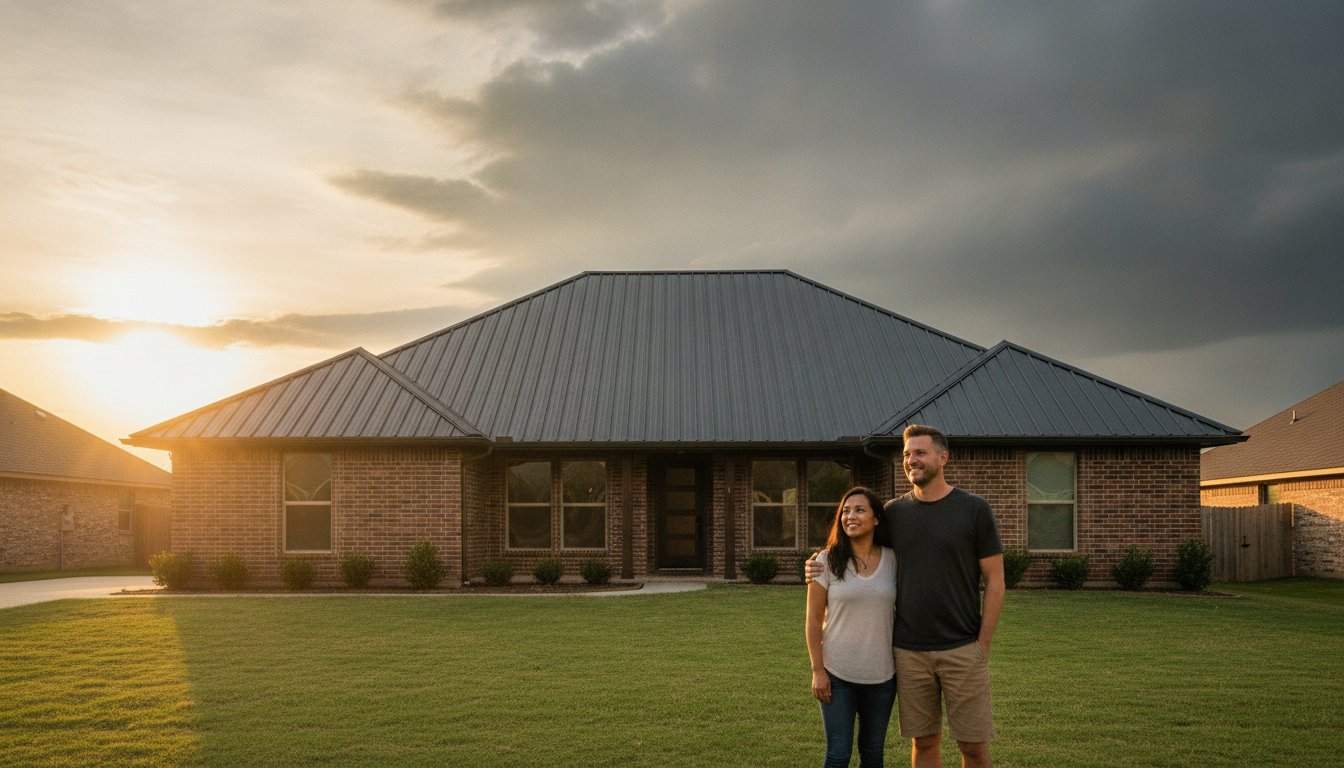

Did you know that Tulsa County averages between three and six hail producing storm days every single year? For many of our neighbors, a passing thunderstorm brings more than just rain; it brings the anxiety of potential roof damage and the dread of another insurance claim. It’s frustrating to watch your premiums rise while your cooling costs spike during our humid July heatwaves. You deserve a home that stands strong against the elements without draining your bank account.
Choosing the best roofing materials for Tulsa homes is a strategic decision that impacts your safety and your home value for decades. We’ve designed this 2026 guide to help you navigate Oklahoma’s unique climate challenges with confidence. You’ll discover how Class 4 impact resistant shingles can lower your insurance costs by up to 28 percent and why metal roofing is becoming a top choice for long term durability. We will also look at the “Strengthen Oklahoma Homes” grant program, which offers up to $10,000 to help you upgrade to a more resilient roof. Let’s find the right solution to keep your family protected and your home beautiful.
Key Takeaways
- Identify the specific wind and temperature ratings required to ensure your roof survives Tulsa’s extreme seasonal cycles and high-velocity wind speeds.
- Compare the performance of various shingle types to determine the best roofing materials for tulsa homes based on your specific budget and durability needs.
- Evaluate the long-term benefits of “forever” roofing options like standing seam metal and stone-coated steel for superior defense against severe weather.
- Learn how to maximize your investment by leveraging impact-resistant ratings to potentially lower your annual insurance premiums and deductibles.
- Understand the critical role of local Oklahoma building codes, such as the mandatory shingle tear-off rule, in securing a valid manufacturer warranty.
Why Climate is the #1 Factor for Tulsa Roofing Materials
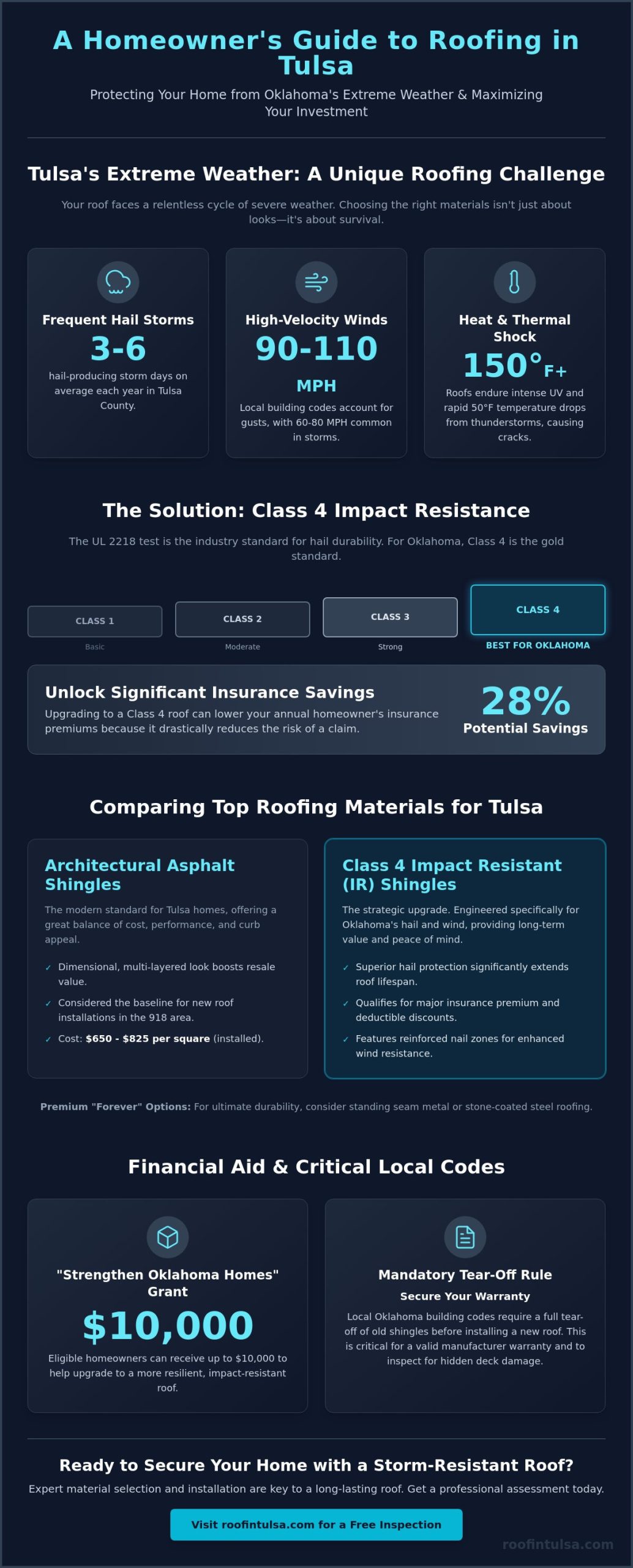
In Tulsa, our roofs face a relentless cycle of extreme weather that most parts of the country never experience. It isn’t just about the rain. We live in a region where wind speeds frequently reach 60 to 80 mph during storm season, and local building requirements often account for gusts between 90 and 110 mph. Choosing the best roofing materials for tulsa homes means looking past aesthetics to find products engineered for high-velocity wind zones. You need a system that stays anchored when the sky turns green and the sirens sound.
The intense UV exposure in July and August acts like a slow burn on your home. These rays break down the asphalt oils that keep shingles flexible. When those oils dry out, the material becomes brittle and prone to wind damage. This is compounded by “thermal shock.” On a typical summer day, your roof can reach temperatures well over 150 degrees. When a sudden afternoon thunderstorm rolls in, that temperature can drop 50 degrees in minutes. This rapid contraction causes low-quality common roofing materials to crack, lose granules, and fail years before they should.
The Hail Factor: Class 1 through Class 4 Explained
Tulsa County typically experiences three to six hail-producing storm days every year. This frequency makes impact resistance the single most important metric for your roof. The UL 2218 test is the industry standard for measuring this durability, ranking materials from Class 1 to Class 4 based on their ability to withstand the impact of steel balls. Class 4 impact resistance is the gold standard for Oklahoma hail protection. Because these materials are less likely to suffer functional damage during a storm, most local insurance carriers offer significant premium discounts to homeowners who make this upgrade. It’s a proactive way to protect your family and your finances at the same time.
Wind Resistance and Shingle Adhesion
A roof is only as strong as its weakest point of attachment. High-wind warranties are essential in our area, but they rely heavily on specialized components like starter shingles. These shingles are designed with extra adhesive to lock down the edges of your roof where wind uplift is most likely to occur. While the material quality matters, proper installation is the only way to ensure your roof actually meets its wind rating. Our team focuses on precise nail placement and manufacturer-specified patterns to ensure your home remains protected during the volatile spring season. We don’t take shortcuts because we know exactly what’s at stake for our neighbors when the wind picks up.
Asphalt Shingles: The Practical Choice for Oklahoma Neighborhoods
Asphalt shingles remain the most popular selection for Tulsa neighborhoods because they offer a reliable balance of cost and performance. While older 3-tab shingles were once the standard, they often struggle to survive our 60 to 80 mph wind gusts. Today, architectural shingles are considered the baseline for modern curb appeal in the 918 area code. These shingles typically cost between $650 and $825 per square installed, making them an accessible option for many families. When searching for the best roofing materials for tulsa homes, it’s vital to look at how these materials handle our specific weather cycles.
The local market has seen a significant shift toward “Impact Resistant” (IR) asphalt shingles. These products are engineered specifically to withstand the three to six hail storm days we experience annually. While the initial investment is higher, the cost-to-value ratio is excellent when you factor in the extended lifespan and potential insurance savings. It’s a practical way to protect your home while keeping your long-term maintenance costs manageable.
Architectural vs. Performance Shingles
Resale value is a major consideration for Tulsa homeowners. Architectural shingles provide a dimensional, multi-layered look that mimics the appearance of wood shakes, which significantly boosts curb appeal. Performance shingles take this a step further by incorporating reinforced nail zones and heavier construction. These structural benefits are essential in our humid climate, as they help shingles stay flat and sealed against high winds. Regular maintenance, such as a professional roof inspection, ensures these layers remain secure and functional for years to come.
The Benefits of Class 4 Impact Resistant Shingles
Class 4 shingles are a game-changer for Oklahoma properties. They are manufactured using an SBS polymer, which is a rubberized asphalt that allows the shingle to remain flexible. This flexibility is what allows the material to “bounce back” from hail strikes rather than cracking or bruising. Research regarding the durability of premium materials shows that these specialized components are far more resilient than standard options.
In Tulsa, Class 4 shingles are designed to last 25 to 30 years, whereas standard shingles often fail after just 15 to 18 years in our harsh climate. Upgrading to these shingles typically adds $1,500 to $4,000 to a project, but most Oklahoma insurance carriers offer discounts of 15% to 28% for UL 2218 Class 4 rated roofs. When you consider the insurance savings alone, many of our neighbors recoup the upgrade cost in as little as 2.5 to 7 years. This makes them one of the best roofing materials for tulsa homes for anyone looking to maximize their investment.
Premium Alternatives: Metal and Synthetic Roofing for Maximum Longevity
While asphalt shingles are a reliable baseline, many of our neighbors are looking for a “one and done” solution. Premium options like metal and synthetic composites are quickly becoming some of the best roofing materials for tulsa homes due to their incredible lifespan and performance. These materials don’t just survive our weather; they thrive in it. A high quality metal roof can last between 40 and 70 years, providing a level of security that standard materials simply can’t match. Additionally, these premium systems often feature high solar reflectivity, which helps keep your home cooler during those punishing 100 degree July afternoons.
Stone coated steel is another excellent alternative for those who want the classic look of tile or wood shake without the maintenance headaches. It offers the structural strength of steel but with a textured finish that fits perfectly in any Tulsa neighborhood. Because these systems are lightweight and extremely durable, they provide a high return on investment. Homeowners can expect an average ROI of approximately 50 to 55 percent for a metal roof installation in 2026. It’s a strategic choice for anyone planning to stay in their home for the long haul.
Metal Roofing: Standing Seam vs. Screw-Down
We often recommend standing seam systems over traditional screw-down panels for residential homes. Standing seam uses a hidden fastener system that allows the metal panels to “breathe” as they expand and contract. This is crucial during Tulsa’s rapid temperature swings. Screw-down roofs can develop leaks over time as the exposed fasteners back out due to thermal movement. Beyond durability, metal is incredibly energy efficient. By reflecting solar heat rather than absorbing it, a metal roof can significantly reduce your attic temperatures in August. Some people worry about noise during rain, but modern installation techniques and proper attic insulation make these roofs just as quiet as asphalt.
Synthetic Materials for Historic Tulsa Homes
If you live in a historic area like Midtown or Maple Ridge, you know how important it is to maintain the architectural integrity of your property. Synthetic slate and composite shake are perfect for these neighborhoods. They provide the luxury aesthetic of natural stone or wood but with much better resistance to Oklahoma’s wind and hail. Natural slate is incredibly heavy and often requires expensive structural reinforcement of your rafters. Synthetic options provide a similar look at a fraction of the weight. These materials are built to last over 50 years, ensuring your historic home remains a community treasure for the next generation. These composites are among the best roofing materials for tulsa homes when style and longevity are equally important.
Comparing Costs, Lifespan, and Insurance Savings
When you’re evaluating the best roofing materials for tulsa homes, it’s easy to focus only on the initial quote. However, the true value of a roof is measured by its Total Cost of Ownership over 30 years. A standard architectural roof might seem affordable today, but if it requires replacement after just 15 years due to Oklahoma’s severe weather, you’ll end up paying for two roofs in the time a premium system would still be going strong. Investing in durability isn’t just about protection; it’s a smart financial move that preserves your home’s equity and reduces long term stress.
Resale value is another critical factor. In our local market, savvy buyers specifically look for homes with storm-ready features. A roof that comes with a transferable warranty or a high impact rating is a massive selling point. It tells a potential buyer that they won’t have to worry about immediate repairs or high insurance premiums after they move in. This can lead to faster sales and higher offers compared to homes with aging, standard grade shingles.
The ‘Oklahoma Discount’: Class 4 Insurance Incentives
Most Oklahoma insurance carriers offer significant discounts for homes with UL 2218 Class 4 rated roofs. These discounts typically range from 15% to 28% off your annual premium. To secure these savings, you’ll need specific documentation from your roofing contractor, including a proof of installation form and the manufacturer’s product certification. We recommend calling your agent before selecting a material to verify exactly how much you can save. A Class 4 roof often pays for its price difference in insurance savings within 5-7 years.
Expected Lifespan by Material in the Tulsa Climate
The lifespan of your roof depends heavily on how well it handles our intense sun and wind. In Tulsa, standard architectural shingles typically last 15 to 18 years, though they can reach 22 years with perfect maintenance. Premium Class 4 shingles are designed to last 25 to 30 years. If you choose metal, you’re looking at a 40 to 70 year lifespan, while synthetic composites often exceed 50 years.
Keep in mind that local factors can shorten these timelines. Poor attic ventilation can cook shingles from the inside out, while heavy tree coverage can lead to moisture retention and moss growth. It’s important to monitor these conditions regularly. See our Signs You Need a New Roof checklist to gauge your current roof’s health and see if it’s time for an upgrade. If you’ve recently experienced a storm and aren’t sure where to start, we can guide you through the process of Insurance Claim Assistance to ensure your home is restored correctly.
Expert Material Selection and Installation with Rescue Roofing Tulsa
Choosing a new roof is about more than just picking a color from a sample board. In Oklahoma, our building codes are strict for a reason, and navigating them requires local expertise. For instance, state regulations prohibit installing a new layer of asphalt shingles over an existing one. This means a complete tear-off is mandatory to ensure the structural integrity of your home. We also ensure every installation meets the requirement for 36 inch wide ice barriers in valleys and roof slope changes. These technical details are why working with a local professional is essential when you are searching for the best roofing materials for tulsa homes.
Our team takes a methodical approach to help you find the right fit. We evaluate your home’s specific environment, including its orientation to the sun and surrounding tree coverage, before recommending a material. Whether you decide on a high performance architectural shingle or a premium standing seam metal system, we focus on the precision of the installation. We believe that even the highest quality materials can fail if they aren’t installed according to strict manufacturer specifications. Our goal is to provide a solution that protects your family for 20 years or more.
Locally Owned, Community Focused
As a locally owned business, we have a deep history of serving our neighbors in Tulsa, Broken Arrow, and Jenks. We aren’t storm chasers who disappear after the clouds clear; we are part of this community. This local perspective means we only recommend materials that we’ve seen survive our specific weather cycles. We stand behind our work with robust labor and material warranties to give you total peace of mind. You can trust that your home is in the hands of experts who are invested in the long term well being of our region.
Simplifying the Insurance Claim Process
Dealing with an insurance claim after a severe storm is often the most stressful part of the process. We specialize in Insurance Claim Assistance to help bridge the gap between your policy coverage and the best roofing materials for tulsa homes. Our experts work directly with adjusters to document damage and justify the need for high quality, impact resistant materials. We handle the administrative burdens and technical paperwork so you can focus on getting your life back to normal. We are here to ensure you receive the full value of your claim to build a stronger, more resilient roof. Schedule your free inspection and material consultation today to see the difference that local expertise and professional care can make for your home.
Secure Your Home Against the Next Oklahoma Storm
Choosing the best roofing materials for tulsa homes is a strategic investment in your family’s safety and your property’s long term value. As we have discussed, prioritizing impact resistance and thermal performance is the only way to combat our region’s unique weather cycles. Whether you select the proven durability of Class 4 shingles or the “forever” protection of a metal system, your decision today will lead to lower insurance premiums and fewer repairs for decades to come. You don’t have to navigate these technical choices alone.
Rescue Roofing Tulsa is locally owned and operated right here in our community. We are specialists in Class 4 impact resistant upgrades and offer 24/7 emergency storm repair when you need us most. Our team is ready to help you simplify the insurance process and ensure your installation meets every local building code requirement. We want you to feel confident and secure every time a storm rolls across the horizon. Get Your Free Tulsa Roof Replacement Estimate and let’s build a roof that’s ready for whatever the Oklahoma sky brings next.
Frequently Asked Questions
What is the most durable roofing material for Tulsa weather?
Metal roofing and synthetic composites are the most durable options available for our regional climate. These systems are designed to withstand wind gusts up to 110 mph and have a lifespan that often exceeds 50 years. While high quality asphalt is reliable, premium materials offer the highest level of long term protection against Tulsa’s extreme seasonal shifts and frequent hail events.
Do Class 4 shingles really lower my insurance in Oklahoma?
Yes, most Oklahoma insurance carriers offer significant premium discounts for homes with UL 2218 Class 4 rated roofs. These savings typically range between 15 and 28 percent depending on your specific provider and policy. It’s a state regulated incentive designed to encourage homeowners to install the best roofing materials for tulsa homes to reduce storm related claims.
How much does a new roof cost in Tulsa in 2026?
The total investment for a new roof depends on the square footage of your home, the pitch of your roofline, and your choice of materials. While we don’t provide flat rates because every home is unique, upgrading to high performance materials like Class 4 shingles involves a higher initial cost that is often balanced by long term insurance savings. We provide detailed estimates after a thorough on site inspection to ensure accuracy.
Is a metal roof better than asphalt shingles for hail?
Metal roofing typically offers superior protection against puncture and structural damage during a severe hail storm. However, Class 4 asphalt shingles are specifically engineered with rubberized polymers to prevent the “bruising” that leads to granule loss and leaks. Both are excellent choices for our area, but metal generally provides a longer total lifespan and higher wind resistance.
Can I change my roofing material if I have a homeowners association (HOA)?
You can often change your roofing material, but you must consult your HOA’s bylaws or CC&Rs first. Many Tulsa area associations have specific rules regarding shingle colors or material types to maintain a consistent look throughout the neighborhood. We can provide material samples and technical data to help you get the necessary approval from your board before work begins.
What happens if my roof is damaged by a storm before I can replace it?
If a storm causes damage before your scheduled replacement, you should seek emergency repair services immediately to prevent interior water damage. We provide 24/7 emergency storm repair and tarping to secure your property until a full replacement can be completed. This proactive step is vital for protecting your home’s structure and preventing mold growth or ceiling damage.
How long does a typical roof replacement take in Tulsa?
A typical residential roof replacement in Tulsa takes between one and three days to complete. This timeline includes the mandatory tear off of your old shingles and the installation of the new, climate ready system. Factors like the size of your home, the complexity of the roofline, and Oklahoma’s unpredictable weather can occasionally affect the final schedule.
Does color matter for my roof’s energy efficiency in the summer?
Color plays a major role in your home’s energy efficiency during our hot July and August afternoons. Lighter colors and “cool roof” shingles reflect more solar radiation, which helps keep your attic temperatures significantly lower. This reduces the strain on your air conditioning system and is a key factor when selecting the best roofing materials for tulsa homes to lower monthly utility bills.