


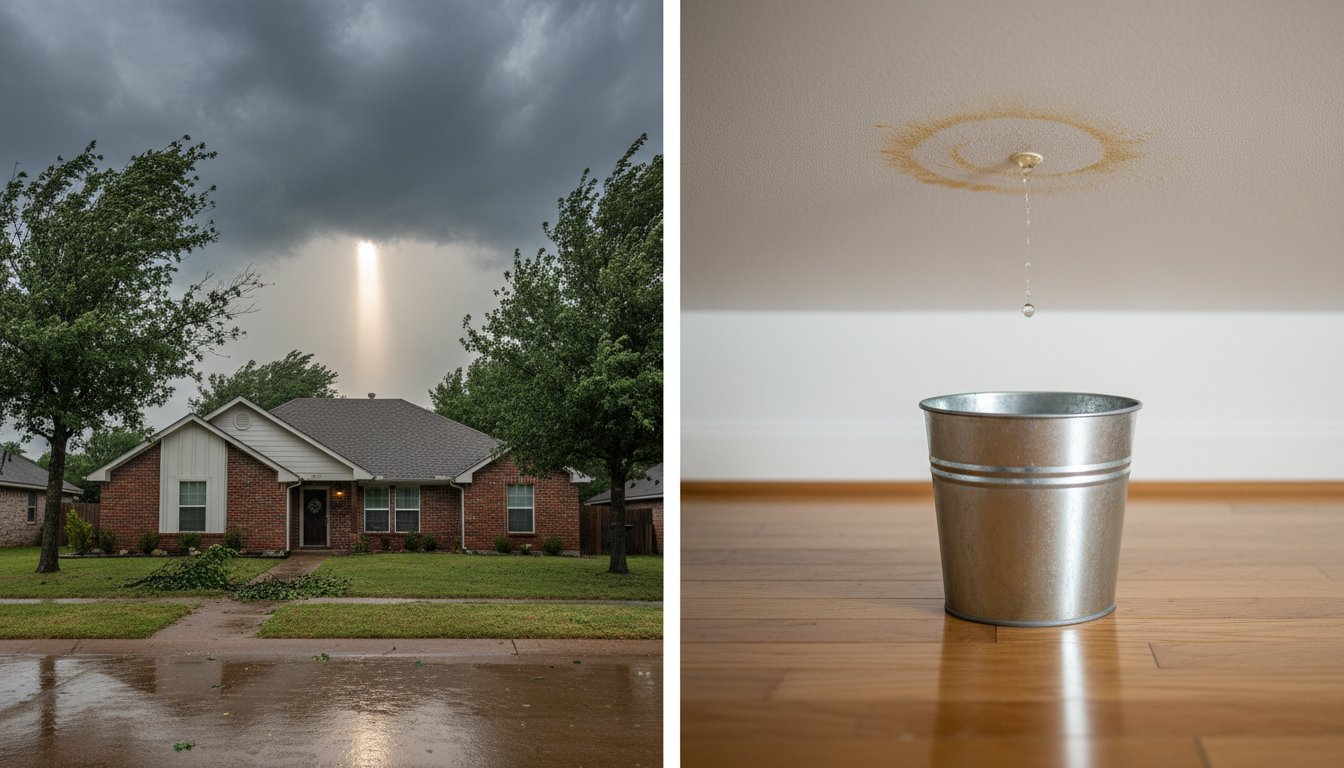

What if your leaking roof isn’t just a minor inconvenience, but a battle with your insurance company? If you’re a Tulsa homeowner, you’ve likely asked yourself, “Will my homeowners insurance cover a leaking roof?” The uncertainty can be overwhelming. You might fear claim denial or feel confused about whether the damage is due to ‘wear and tear’ or a recent storm. The good news is that understanding your coverage can simplify the claims process. In this article, we’ll clarify when insurance pays for roof leaks and guide you through navigating the claims process in Tulsa without the hassle. By the end, you’ll know how to ensure your roof gets the care it needs and find a local expert to assist you every step of the way.
Key Takeaways
- Learn how the ‘Cause of Loss’ rule impacts coverage for your leaking roof, ensuring you’re prepared for potential claims.
- Understand the difference between covered perils and general wear and tear to maximize your chances of a successful claim.
- Discover what additional damages your homeowners insurance may cover beyond the roof itself, protecting your home comprehensively.
- Find out the essential steps to take when asking, “will my homeowners insurance cover a leaking roof?” to streamline your claims process.
- Get expert tips on documenting your roof leak effectively to avoid common pitfalls during the claims process.
Understanding When Homeowners Insurance Covers a Leaking Roof
When homeowners face the challenge of a leaking roof, one of the first questions they ask is, “Will my homeowners insurance cover a leaking roof?” The answer to this question largely depends on the cause of the leak. Insurance policies typically operate under the ‘Cause of Loss’ rule, which means that the reason behind the leak determines whether or not your claim will be approved.
Most standard homeowners policies define specific ‘Covered Perils’ that outline what types of damages are eligible for coverage. Common covered events include:
- Fire
- Lightning
- Falling objects
- Windstorm or hail
The ‘dwelling coverage’ portion of your policy is essential in these scenarios. It protects the structure of your home against the damages caused by these perils. Generally, insurance companies find it easier to process claims related to ‘sudden and accidental’ events rather than those resulting from gradual damage, which is often seen as a maintenance issue.
What is a Covered Peril?
The Concept of Proximate Cause
The term ‘proximate cause’ refers to the primary event that initiates a series of events leading to a loss. For example, if a storm damages your roof, leading to a leak, the storm is the proximate cause of the resulting damage. Insurance providers focus on the origin of the leak rather than the visible consequences, such as the hole in your roof, as this helps them determine whether the damage is covered.
In summary, understanding how homeowners insurance policies define and cover leaks is crucial for Tulsa homeowners. If you’re wondering, “Will my homeowners insurance cover a leaking roof?” the answer lies in the details of your policy and the circumstances surrounding the damage. Always review your specific policy type—such as HO-3 or others—as they can significantly affect your coverage options. Consulting with a local expert can give you peace of mind and clarity on your situation.
Covered Perils vs. General Wear and Tear: The Deciding Factor
When assessing whether will my homeowners insurance cover a leaking roof, it’s crucial to understand the distinction between covered perils and general wear and tear. In Tulsa, Oklahoma, the severe weather patterns significantly influence claim approvals. Hail, wind, and other weather-related events can lead to extensive roof damage, making them valid claims under most homeowners insurance policies.
However, the ‘Maintenance Exclusion’ often complicates matters. Insurance companies typically deny claims for roofs that show signs of aging or lack of maintenance. If your roof is over 20 years old, you may face challenges in getting your claim approved. Insurers often argue that a leaking roof results from old materials rather than storm damage, placing the onus on homeowners to prove otherwise.
Insurance adjusters are trained to differentiate between damage caused by hail and general aging of shingles. They look for specific indicators, such as:
- Hail bruising: This appears as dark spots on shingles, indicating impact damage.
- Wind-lifted shingles: Adjusters look for creases and shifts in the shingle alignment that show wind damage.
In Tulsa, high-velocity wind events can often lead to significant claims, sometimes triggering a full roof replacement. Being prepared with documentation and photographs of your roof’s condition can make a substantial difference in these situations.
Storm Damage in Tulsa: Hail and Wind
Oklahoma experiences some of the most severe hail and wind storms in the nation. Homeowners should be aware of how to identify storm damage. Hail bruising is often confused with manufacturing defects; knowing how to distinguish the two can aid in your claim process. Wind-lifted shingles typically have a distinct crease that adjusters recognize as signs of wind damage. Understanding these nuances is vital for successful claim submissions.
When Your Claim Might Be Denied
Denials often stem from several factors:
- The 20-year rule: Roofs older than 20 years may only qualify for Actual Cash Value (ACV) rather than Replacement Cost Value (RCV).
- Pre-existing damage: Claims for damage caused by pests, rot, or mold present before a storm will likely be denied.
- Neglect: Poor maintenance can lead to ‘neglect’ denials, emphasizing the importance of regular roof inspections and upkeep.
Regular maintenance not only prolongs the life of your roof but also serves as your best defense against claim denials. For more on how to maintain your roof effectively, consider checking our guide on roof maintenance.
In summary, understanding the nuances of your insurance policy and how adjusters evaluate claims is essential. Knowing the potential pitfalls can empower you to take proactive measures, ensuring peace of mind when confronting roof issues. If you have concerns about your roof’s condition or potential claims, reach out to us for a thorough inspection.
Beyond the Shingles: What Else Does Your Policy Cover?
When considering whether your homeowners insurance will cover a leaking roof, it’s crucial to understand that your policy may extend beyond just the roof itself. Damage from a leak can affect various aspects of your home, from interior spaces to personal belongings. Here’s a closer look at what else your coverage might entail.
Coverage for Interior Damage
If a leak infiltrates your home, the damage can extend to ceilings, drywall, and flooring. Most standard homeowners insurance policies will cover necessary repairs for these interior damages, even if the roof repair is denied. For example, if the leak ruins your ceiling and causes it to sag, your policy may cover the cost of repairs or replacements.
Personal Property Coverage
Loss of Use
In some cases, a leak can render your home uninhabitable, especially if mold develops as a result. If this happens, your policy may provide coverage for additional living expenses (ALE) incurred while your home is being repaired. This can include costs for temporary lodging, meals, and even storage for your belongings. Understanding the criteria for what makes a home ‘uninhabitable’ is essential for your claim.
The ‘Open Perils’ Policy vs. ‘Named Perils’
Policies differ in how they cover water damage. An ‘open perils’ policy covers all risks except those explicitly excluded, while a ‘named perils’ policy only covers risks specifically listed. If you have the latter, make sure that water damage from a roof leak is included in your coverage. This distinction can make a significant difference in the outcome of your claim.
Resultant Water Damage Explained
Even if your insurance denies the roof repair, it might still cover resultant damage, like a sagging ceiling. It’s crucial to understand the difference between flood insurance and coverage for water damage from a roof leak; flood insurance typically does not cover roof leaks. To support your claim, document any interior damage immediately with photos and detailed notes.
Loss of Use and Additional Living Expenses (ALE)
Determining whether your home is ‘uninhabitable’ often hinges on the extent of the water damage or mold growth. Common covered expenses under ALE include:
- Temporary hotel costs
- Meals while displaced
- Storage fees for personal items
Be aware that limits and timeframes for ALE in Oklahoma can vary, so review your policy carefully to understand your specific coverage.
5 Steps to Filing a Successful Roof Leak Insurance Claim in Tulsa
Dealing with a leaking roof can be stressful, especially when you’re unsure about your insurance coverage. Will my homeowners insurance cover a leaking roof? The answer often depends on how you manage the claims process. Here are five essential steps to help you file a successful roof leak insurance claim in Tulsa.
Safety First
Before anything else, ensure your home is safe. If there’s a leak, it’s crucial to mitigate further damage. Use temporary measures like tarps to cover the affected area, but avoid making permanent repairs. This way, you can present the full extent of the damage to your insurance adjuster.
Documenting Damage Like a Pro
Accurate documentation is key. Start by taking clear photos of:
- The roof, focusing on the leak and any visible damage
- The attic, where water stains may indicate the leak’s path
- Interior damage, such as water spots on ceilings or walls
Additionally, save receipts for any temporary repairs, like tarps or emergency roofing services. Create a timeline detailing the storm event that caused the leak and when you discovered it. This information will support your claim and demonstrate the urgency of the situation.
The Role of Your Roofing Contractor
Before you contact your insurance company, call a roofing contractor. Their expertise is invaluable. A contractor’s damage report serves as ‘proof of loss’ for the insurance adjuster, ensuring that no details are overlooked.
Having your contractor present during the adjuster’s inspection is critical. They can point out ‘hidden’ damage that might escape the adjuster’s notice, such as issues beneath shingles or in the attic.
Navigating the Adjuster’s Visit
When the insurance adjuster arrives, be prepared. Show them all the documented evidence and discuss your contractor’s findings. Be honest about the damage and the events leading up to it. Clear communication can help your claim move along smoothly.
Reviewing the Estimate and Starting the Work
Once the adjuster submits their report, review the estimate carefully. Ensure it aligns with the damage documented. If you have any questions or concerns, don’t hesitate to reach out to your roofing contractor or insurance agent for clarification.
After you’ve agreed on the estimate, you can start the necessary repairs. Remember, timely action can prevent further damage and additional costs.
By following these five steps, you’ll be well-equipped to navigate the claims process and ensure that your roof leak is handled efficiently. For a hassle-free experience, reach out to us at Rescue Roofing Tulsa. We’re here to help you through every step of the way.
Hassle-Free Insurance Claim Assistance with Rescue Roofing Tulsa
When it comes to dealing with the complexities of insurance claims, Tulsa homeowners trust Rescue Roofing Tulsa to simplify the process. Our team is dedicated to helping you understand whether will my homeowners insurance cover a leaking roof is a possibility, ensuring that you can access the full benefits of your policy without unnecessary stress.
Tulsa’s Most Trusted Insurance Specialists
We pride ourselves on our commitment to honesty and integrity in every roof inspection. Our team advocates for homeowners, ensuring that all relevant aspects of your policy are leveraged to maximize your claim. By providing transparent advice and support, we give you peace of mind during what can often be a confusing time. Our professional roof repair Tulsa services not only fix your roof but also help navigate the claims process smoothly.
Get Your Free, No-Obligation Inspection
We offer a comprehensive 21-point roof inspection that identifies any issues, including those that may qualify for insurance coverage. Scheduling your visit with our local Tulsa team is easy, and we handle everything for you—from the initial inspection to the final shingle installation. Our goal is to take the stress off your shoulders so you can focus on what truly matters.
As a GAF Master Elite certified contractor, we provide an added layer of assurance. This status means your roof is backed by a strong warranty, giving you long-lasting protection. We understand the local climate, which can lead to unique roofing challenges. Our expertise ensures that we can work effectively with local insurance adjusters, advocating for your needs with confidence.
Take Action Today for a Secure Tomorrow
Understanding the nuances of your policy can help you determine will my homeowners insurance cover a leaking roof. Remember, coverage often hinges on the cause of the leak—whether it’s due to a covered peril or general wear and tear. Additionally, knowing what else your policy encompasses can save you headaches down the line.
If you’re facing roof issues, don’t hesitate. Schedule your free hassle-free roof inspection today with Rescue Roofing Tulsa, Tulsa’s most trusted roofer. With our GAF Master Elite Certification and a 10-year workmanship warranty, we’re committed to providing you peace of mind. As a local, family-owned business, we’re here to support our community every step of the way.
Frequently Asked Questions
Does homeowners insurance cover a roof leak from a 20-year-old roof?
Homeowners insurance may cover a roof leak from a 20-year-old roof, but it depends on the cause of the leak. If the damage is due to a covered peril, like a storm, your insurance might help. However, if the leak results from wear and tear or lack of maintenance, it’s unlikely to be covered. Always check your policy details for specifics regarding coverage on older roofs.
Will my insurance rates go up if I file a claim for a leaking roof?
Filing a claim for a leaking roof can lead to increased insurance rates, as insurers often view claims as a sign of higher risk. According to the Insurance Information Institute, homeowners may see an increase of 20% or more in their premiums after a claim. It’s essential to weigh the potential costs against the benefits of filing a claim.
How much is the typical deductible for a roof leak claim in Oklahoma?
The typical deductible for a roof leak claim in Oklahoma ranges from $500 to $1,000, depending on your policy. Some insurers might offer a percentage-based deductible, which can vary based on the cost of your home’s insured value. Be sure to review your policy to understand what deductible applies to your specific situation.
Can I fix the roof leak myself and still get insurance to pay for it?
Generally, if you fix the roof leak yourself, it may complicate your claim process. Insurance companies typically require documentation of the damage and the repair. If you handle it personally, you might not have the necessary evidence for your claim. It’s advisable to consult your insurance agent before attempting any repairs.
How long do I have to file an insurance claim after a storm in Tulsa?
In Tulsa, homeowners usually have one year from the date of the storm to file an insurance claim. However, some policies may have shorter timeframes. It’s crucial to review your specific policy or consult with your insurance provider to ensure you meet all deadlines.
What happens if my insurance claim for a roof leak is denied?
If your insurance claim for a roof leak is denied, you can appeal the decision. Start by reviewing the denial letter for specific reasons and gather supporting documentation. You may also want to contact your insurance agent for clarification or to discuss alternate options, which might include seeking a second opinion from a licensed contractor.
Does insurance cover mold caused by a leaking roof?
Insurance coverage for mold caused by a leaking roof varies by policy. Typically, if the mold results from a covered peril, such as a storm, it may be covered. However, many policies exclude mold damage resulting from neglect or lack of maintenance. Always check your specific policy terms regarding mold coverage.
What is the difference between ACV and RCV on a roofing claim?
ACV, or Actual Cash Value, pays out the current market value of your roof, factoring in depreciation. RCV, or Replacement Cost Value, covers the full cost to replace your roof with a similar one without depreciation. Choosing RCV typically provides more financial protection, especially for older roofs, making it a better option for many homeowners dealing with a leaking roof.