


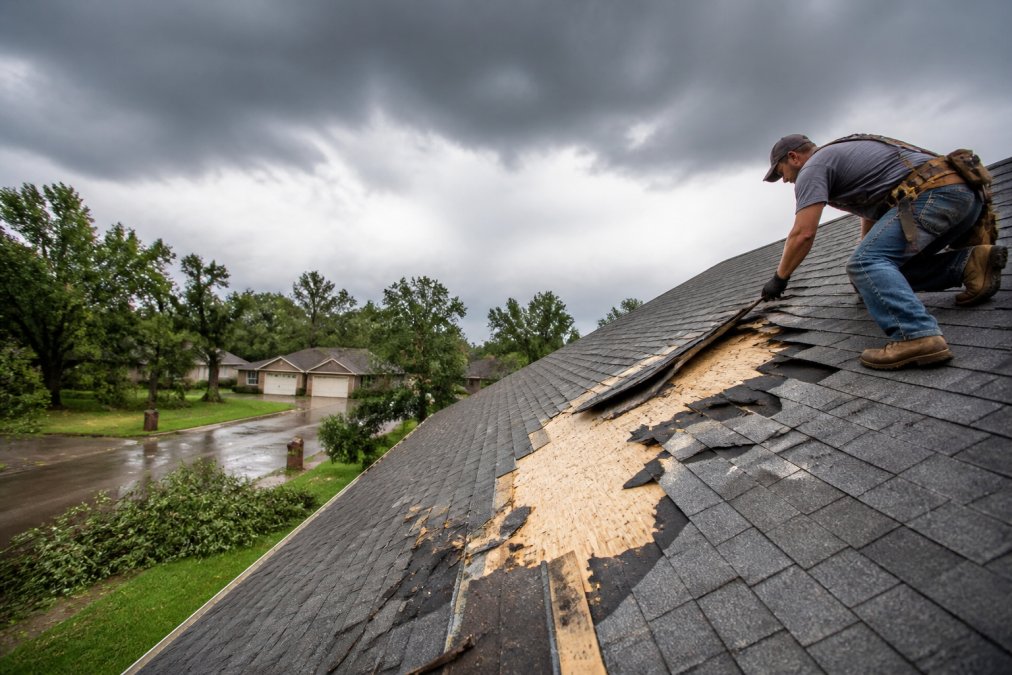

Table of Contents
- What to Do Immediately After Roof Damage
- Signs of Roof Storm Damage You Shouldn’t Ignore
- Emergency Tarping Services Tulsa: Your First Line of Defense
- 24/7 Emergency Roof Repair Tulsa Services: What to Expect
- How to Document Roof Damage for Insurance Claims
- Residential vs. Commercial Emergency Roof Repair in Tulsa
- Why Aerial Quotes and Transparent Pricing Matter
- Preventing Further Water Damage While Awaiting Repair
Last Updated: August 4, 2026
When your roof is damaged, every hour matters. Water intrusion can cause structural damage, mold growth, and costly repairs that compound exponentially. Emergency roof repair tulsa services exist to stop the damage before a bad situation becomes catastrophic. At Rescue Roofing, we understand that storm damage doesn’t wait for business hours, and neither should your response. This guide covers what you need to do in the first critical hours after roof damage, how to document everything for your insurance claim, and what to expect when you call for emergency services.
The Tulsa area experiences severe weather regularly, hail storms, straight-line winds, and heavy rainfall that can compromise even well-maintained roofs. Water damage spreads quickly behind walls and ceilings. What starts as a small leak on Tuesday can become a $15,000 interior restoration by Friday. Below, we’ll show you the specific steps to take immediately, how to protect your property while awaiting professional repair, and how to navigate the insurance process.
What to Do Immediately After Roof Damage
The first 24 hours after discovering roof damage are critical. Your immediate actions determine whether the damage stays contained or spreads throughout your property.
Safety First: Assess Without Risk
Never climb onto a damaged roof yourself. A compromised roof can collapse under your weight, and wet surfaces are extremely slippery. Water damage may have weakened structural supports you can’t see from the ground.
Conduct a visual assessment from inside your home and from ground level. Look for water stains on ceilings or walls, dripping sounds in the attic, visible light coming through the roof deck, or obvious missing shingles viewed from the ground with binoculars. Take photos from a safe distance.
If it’s raining, move to the attic (if safe) and identify exactly where water is entering. Place buckets to catch water and prevent pooling on insulation or drywall. Document the water location with photos and note the time.
Document Everything for Your Claim
Insurance companies require evidence of damage before approving repairs. Start documentation immediately, don’t wait for an adjuster.
Take photos and videos from multiple angles. Capture wide shots showing the overall damage pattern, close-ups of specific damage (missing shingles, torn flashing, dents from hail), and interior water damage. Include timestamps in your photos.
Write down the date, time, and weather conditions when you discovered the damage. Note what triggered it: "Hail storm at 2 PM, marble-sized hail for 15 minutes" is far more useful than "storm damage."
Do NOT attempt temporary repairs yourself before the adjuster visits. Insurance companies may deny claims if they suspect you caused additional damage during DIY attempts.
Contact your insurance company within 24 hours. Provide your policy number, a brief description of the damage, and photos. Ask for the claims process timeline and whether they’ll send an adjuster. Many policies require you to mitigate further damage (like tarping), but they should cover the cost if you use a licensed contractor.
Signs of Roof Storm Damage You Shouldn’t Ignore
Not all roof damage is obvious. Some signs appear days or weeks after the initial storm.
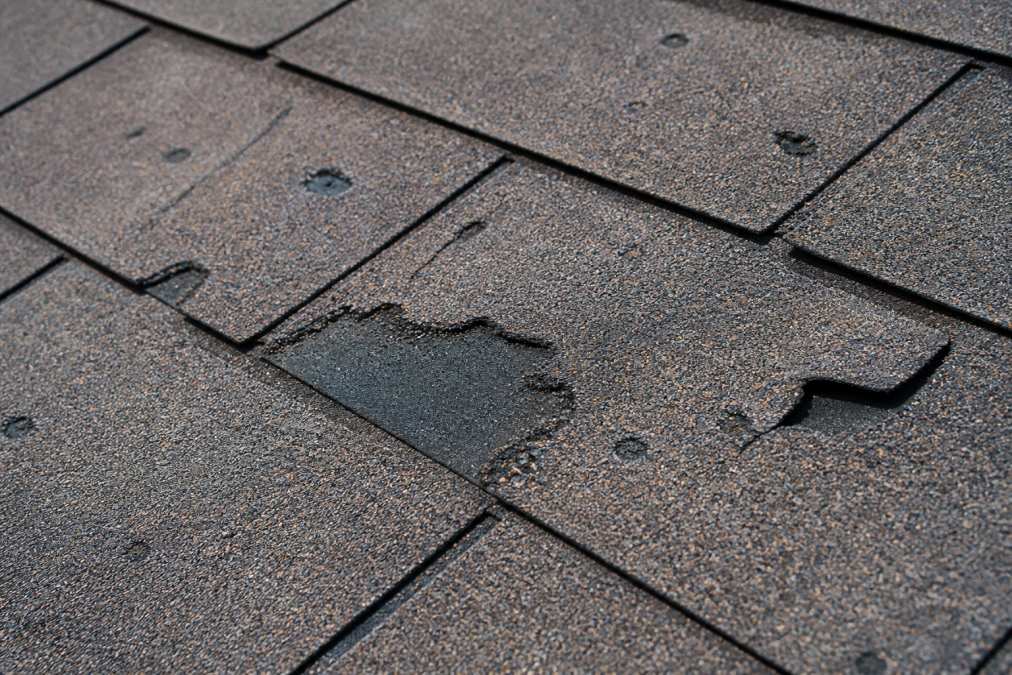
Missing or damaged shingles are the most visible sign. Hail leaves dents and cracks; wind tears shingles away entirely. If you see bare roof deck (the plywood underneath), water will penetrate within hours of rain.
Granule loss is subtler but equally serious. Hail knocks granules loose from asphalt shingles. After a storm, check your gutters, if they’re filled with dark grit, your shingles took a beating. Granule loss accelerates aging and creates entry points for water.
Flashing damage is where most water intrusion begins. Flashing is the metal trim around chimneys, vents, skylylights, and roof edges. Wind can lift flashing, and hail can dent it enough to create gaps. Water follows these gaps into your home.
Sagging or soft spots in the roof indicate structural damage or rotting decking. These require immediate attention and can lead to roof collapse under heavy snow or rain loads.
Interior signs matter just as much. Water stains on ceilings, damp insulation in the attic, or mold growth mean water has already entered and requires emergency tarping.
Emergency Tarping Services Tulsa: Your First Line of Defense
Emergency tarping is the most effective temporary solution for roof damage. A properly installed tarp prevents water intrusion for weeks, giving you time to arrange permanent repairs without rushing.
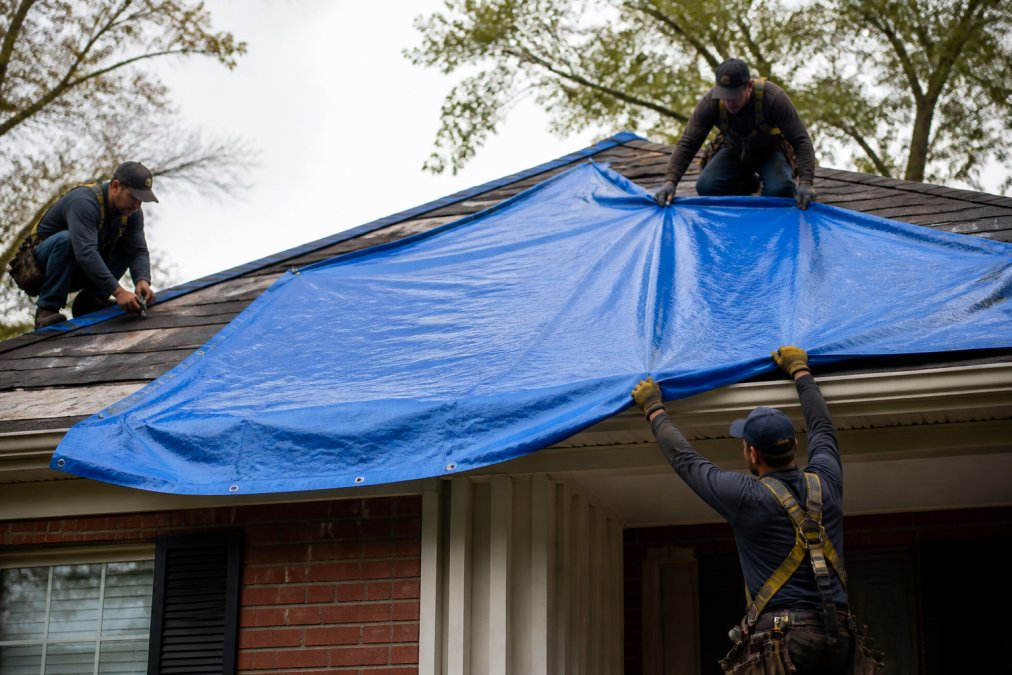
Tarping works by creating a watertight barrier over the damaged area. The tarp must be secured tightly; loose corners catch wind and defeat the purpose. Professional crews secure tarps to roof edges with boards and nails, or use roof anchors for extensive damage.
A temporary tarp buys you time to get multiple quotes, research contractors, and verify insurance coverage without water continuously damaging your interior. Many homeowners rush into expensive repairs under the pressure of active leaks, then regret their choices. A tarp removes that pressure.
The cost of emergency tarping is typically covered by insurance when the damage is weather-related. Your policy usually covers mitigation costs separately from the actual repair, meaning tarping doesn’t count against your deductible.
Rescue Roofing provides emergency tarping services with 24/7 availability.
Request that your tarping contractor take detailed photos of the damage before covering it. These photos are invaluable for your insurance claim.
24/7 Emergency Roof Repair Tulsa Services: What to Expect
When you call for emergency roof repair tulsa services, you’re initiating a specific process.
Rapid Response and Initial Assessment
Most emergency roofing contractors in Tulsa aim to respond within 1-4 hours of your call. The first visit is an assessment, not a repair. The contractor photographs the damage, identifies the scope of work, and explains your options.
During this assessment, ask specific questions: Is the damage limited to shingles, or is there structural damage? Can it be temporarily tarped, or does it need immediate permanent repair? What’s the timeline for permanent repairs? A thorough assessment takes 30-60 minutes and should result in a written estimate.
You’re not obligated to hire the contractor at this stage. Get multiple assessments if you have time. However, if water is actively entering your home, prioritize tarping over shopping for the best price.
Rescue Roofing includes detailed damage documentation with every assessment. The team provides timestamped photos and written descriptions that support your insurance claim.
Temporary vs. Permanent Solutions
Temporary solutions (tarping, patching) stop water intrusion but don’t restore the roof’s integrity. They’re meant to last weeks or months, not years. Permanent repairs replace damaged sections or the entire roof, depending on the extent of damage.
The decision depends on several factors: the extent of damage, your insurance coverage, and your timeline. If hail damaged 20% of your roof, permanent repair makes sense. If damage is limited to one section, tarping while you arrange a full roof replacement may be smarter financially.
Your insurance adjuster will recommend a path forward. Don’t accept the first recommendation without understanding the reasoning.
Permanent repairs typically take 1-3 days for residential properties, depending on roof size and weather.
How to Document Roof Damage for Insurance Claims
Insurance claims succeed or fail based on documentation. Detailed records create a paper trail that protects you if the insurance company disputes your claim.
Insurance Documentation Checklist
Start this process immediately after discovering damage.
| Documentation Item | When to Complete | Why It Matters |
|---|---|---|
| Initial damage photos (exterior and interior) | Within 24 hours | Establishes damage timing and severity |
| Written description of damage and weather conditions | Within 24 hours | Supports your account of what happened |
| Insurance claim filing and policy number confirmation | Within 24 hours | Initiates the claim process formally |
| Contractor assessment and written estimate | Before repairs begin | Provides professional damage evaluation |
| Timestamped photos before tarping or repairs | Before work starts | Shows original damage extent |
| Receipts for emergency mitigation (tarping, water removal) | As incurred | Proves mitigation costs for reimbursement |
| Communication log with insurance company and adjuster | Throughout process | Documents all promises and deadlines |
| Final repair invoice and completion photos | After repairs finish | Proves work was completed as estimated |
Create a folder (physical or digital) for all documents. Label each photo with the date and location. Save emails and note the date and time of every phone conversation with your insurance company.
When the adjuster visits, walk through the damage together and ask them to explain their assessment. If they miss obvious damage or underestimate the scope, point it out immediately. You can request a re-inspection if you disagree with their findings.
Many homeowners discover that their insurance company’s estimate is lower than the contractor’s estimate. You can request an independent appraisal (most policies allow this) where a neutral third party reviews both estimates. The appraiser’s finding is binding.
Rescue Roofing assists with insurance claims as part of emergency roof repair tulsa services. The team communicates directly with adjusters, provides detailed documentation, and explains coverage options.
Residential vs. Commercial Emergency Roof Repair in Tulsa
Residential and commercial roofs require different approaches.
Residential roofs are typically pitched with asphalt shingles, metal, or tile. They’re designed to shed water quickly and are relatively accessible for repairs. A residential roof repair usually takes 1-3 days.
Commercial roofs are often flat or low-slope with membrane systems (TPO, EPDM, or PVC). Flat roofs hold water differently than pitched roofs, requiring different repair techniques. Commercial roofs are larger, which means repairs take longer, typically 3-7 days depending on size and complexity.
Commercial properties have higher stakes. A restaurant or medical office can’t afford days of disruption. Commercial contractors coordinate timing carefully, often working nights or weekends to minimize operational impact.
Insurance considerations also differ. Commercial property insurance typically has higher deductibles and more complex coverage terms. Commercial adjusters are more experienced but also more scrutinizing.
Rescue Roofing handles both residential and commercial emergency roof repair tulsa services.
Why Aerial Quotes and Transparent Pricing Matter
Aerial quotes, using drone technology and satellite imagery, provide fast, accurate estimates without the wait. They’re faster, safer, and more accurate than ground-level inspections.
Transparent pricing means the contractor explains exactly what you’re paying for. A clear estimate breaks down labor, materials, and overhead. You understand why one contractor costs more than another.
Many contractors provide vague estimates with no breakdown. This lack of clarity invites disputes later. Transparent pricing prevents surprise invoices.
Rescue Roofing uses aerial assessment technology to provide accurate quotes quickly. The team explains the breakdown of costs and stands behind estimates.
Financing options matter too. Flexible financing spreads costs over time, making major repairs accessible.
Preventing Further Water Damage While Awaiting Repair
While your permanent repair is scheduled, active water intrusion continues. Specific steps prevent further damage beyond just placing buckets.
Move valuable items away from affected areas. Electronics, important documents, and irreplaceable items should be relocated to dry spaces.
Improve ventilation in affected spaces. Open windows on dry days and use fans to circulate air. This reduces humidity and slows mold growth. Mold can begin growing within 24-48 hours of water exposure.
Remove wet insulation and drywall if possible. Wet insulation loses its R-value and becomes a mold breeding ground.
Use dehumidifiers in affected rooms. Run them continuously until the space is dry.
Document all water damage with photos. Your insurance company may cover water damage restoration in addition to the roof repair.
The goal during the waiting period is to stop water intrusion (tarping) and prevent secondary damage (dehumidification, ventilation, removal of wet materials). These steps cost hundreds and save tens of thousands.
If water damage is extensive, multiple rooms affected, or standing water is present, call a water damage restoration company immediately. The cost is typically covered by insurance when the damage is weather-related.
Roof emergencies are stressful, but they’re manageable with the right approach. The key is acting quickly, tarping within hours, documenting thoroughly, and getting professional assessment before water spreads. Rescue Roofing provides emergency roof repair tulsa services with 24/7 availability, accurate aerial quotes, and direct insurance coordination. The team handles everything from initial assessment through permanent repair. When your roof fails, call Rescue Roofing and get your property protected the same day.
Frequently Asked Questions
What should I do immediately after discovering roof damage from a storm?
First, ensure your safety and stay off the roof. Document damage with photos and videos from the ground. Contact your insurance company and a licensed roofing contractor immediately for emergency roof repair in Tulsa. A professional can assess structural integrity, prevent water intrusion, and help file your claim. Avoid temporary DIY fixes that could cause injury or void your warranty.
How do I document roof damage for insurance claims effectively?
Take photos and videos from multiple angles, including close-ups of damaged shingles, flashing, and any visible water damage inside. Document the date and time. Keep receipts for any emergency tarping or temporary repairs. Write down weather conditions and damage details. Provide this documentation to your insurance adjuster and roofing contractor. Professional inspection reports with timestamped photos strengthen your claim significantly.
Will my homeowners insurance cover emergency roof repair costs?
Most homeowners policies cover sudden storm damage like hail, wind, and fallen trees, though coverage depends on your specific policy and deductible. Insurance typically covers water damage mitigation and permanent repairs but may not cover emergency tarping as a separate charge. Contact your insurer immediately after damage occurs. A licensed Tulsa roofing contractor can help coordinate with your insurance adjuster and maximize your coverage.
How quickly can emergency roof repair services respond in Tulsa?
Most emergency roofing contractors in Tulsa offer 24/7 availability with response times ranging from same-day to within a few hours, depending on weather and demand. Many prioritize rapid temporary solutions like roof tarping to prevent water intrusion, followed by permanent repairs. Call immediately when damage occurs to secure your spot in the queue. Faster response times help minimize structural damage and insurance complications.
This article was written using GrandRanker