



Table of Contents
- Does a New Roof Actually Increase Home Resale Value?
- Average Cost of Roof Replacement and ROI
- How Roofing Materials Affect Resale Value
- Signs You Need a New Roof Before Selling
- How to Handle Roof Issues During Home Inspection
- Using Roof Condition as Negotiation Use
- Roof Warranty and Transferability: What Buyers Want
- Conclusion
- Frequently Asked Questions
Last Updated: October 2, 2026
Does a New Roof Actually Increase Home Resale Value?
A new roof is one of the most visible home improvements you can make, but whether it actually translates to resale value is a question that separates smart sellers from those who overspend on upgrades that won’t pay back. The short answer is yes, a new roof does increase home resale value, but the return depends heavily on your roof’s current condition, the materials you choose, and your local real estate market. According to the National Association of Realtors, roof condition ranks among the top factors buyers evaluate during home inspection, making it one of the few improvements that can genuinely move the needle on your final sale price.
At Rescue Roofing, we help homeowners understand this calculation from both sides: the cost of replacement versus what buyers are actually willing to pay for a property with a newer roof. The difference between a deferred maintenance problem and a solved one often comes down to timing and execution. This guide breaks down the real economics of roof replacement, what materials matter most, and how to use your roof condition strategically during the selling process.
Average Cost of Roof Replacement and ROI
Roof replacement costs vary widely depending on your home’s size, pitch complexity, and the materials you select. A typical residential roof replacement ranges significantly based on these factors, and understanding that range helps you decide whether replacement before sale makes financial sense.
The return on investment for a new roof before selling typically falls between 60-80% of the replacement cost, meaning if you spend on a new roof, you’ll recover most but not all of that investment in your sale price. This is notably higher than many home improvements, but it’s not a dollar-for-dollar return.
The calculation becomes clearer when you consider the alternative: selling with a known roof problem. Inspectors will flag it. Buyers will demand concessions. Appraisers will reduce the assessed value. You’ll often end up paying more in negotiated credits than you would have spent on preventive replacement. The psychology here matters, buyers fear hidden damage under old roofing.
If your roof is within 5-10 years of its expected service life end, replacement before listing often makes sense financially. If it’s in the middle of its lifespan, consider whether the asking price reduction from a flagged roof exceeds replacement costs. That’s your real decision point.
How Roofing Materials Affect Resale Value
Not all roofs are equal in the eyes of buyers and appraisers. The material you choose sends a signal about durability, maintenance requirements, and long-term value.
Asphalt shingles remain the most common residential roofing choice and the baseline expectation for most homes in standard neighborhoods. They’re affordable, familiar to buyers, and require no explanation.
Metal roofing tells a different story. Metal roofs last 40-70 years compared to asphalt’s 15-25 year lifespan. They’re more expensive upfront, but they signal durability and lower future maintenance to buyers.
Architectural shingles (premium asphalt) split the difference. They cost more than standard asphalt, last slightly longer, and look more substantial. They’re increasingly expected in higher-end homes and can add modest value in competitive markets.
The material choice should match your home’s price point and neighborhood expectations. Overbuilding the roof (installing premium materials in a modest neighborhood) rarely pays back fully. Underbuilding (cheap materials in a high-end area) leaves money on the table.
Asphalt shingles provide solid ROI through risk elimination. Metal roofing adds value where it’s expected and understood by local buyers. Match material to market, that’s where value compounds.
Signs You Need a New Roof Before Selling
Certain roof conditions are deal-breakers that will tank your sale price or kill a deal entirely.
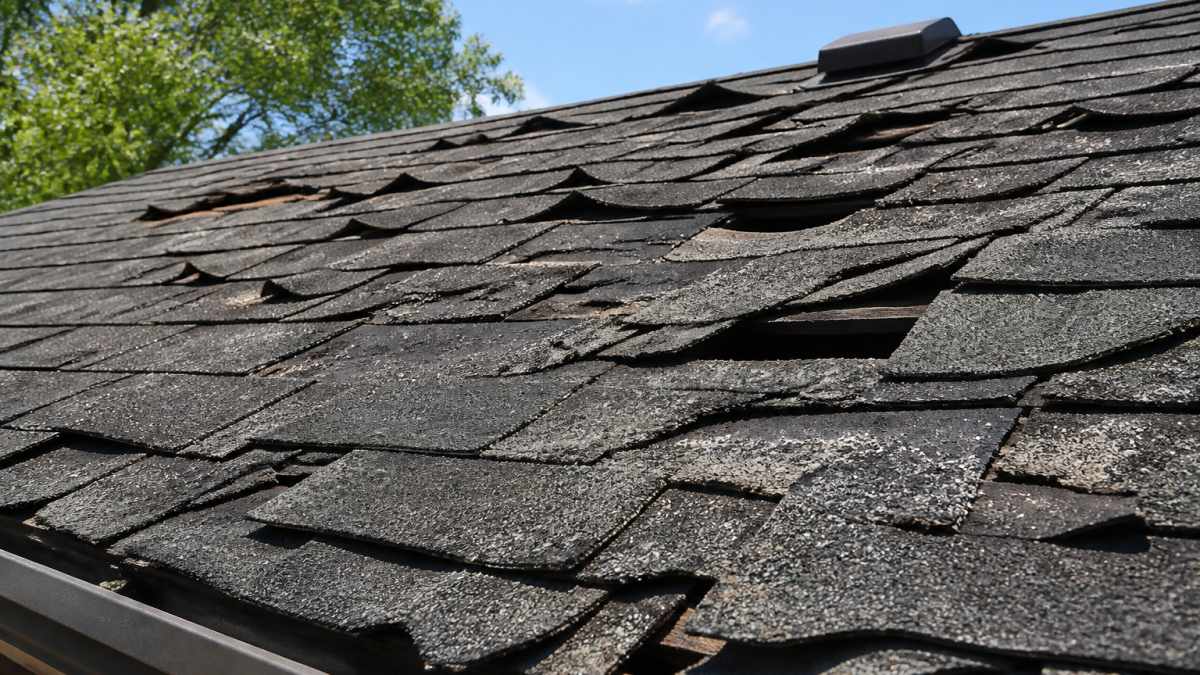
Missing or lifted shingles are the most visible red flag. Buyers see them from the curb. Inspectors document them.
Sagging or uneven roof lines indicate structural problems.
Granule loss (visible as dark streaks or bald patches on shingles) means the protective coating is eroding.
Visible moss, algae, or heavy discoloration suggests moisture retention and potential wood rot underneath. While sometimes cosmetic, it signals neglect to buyers and inspectors.
Active leaks or water stains on interior ceilings are absolute deal-killers. Once a buyer sees water damage inside, they assume the worst.
Flashing problems around chimneys, vents, or valleys are common failure points. Deteriorated flashing leads to leaks concentrated in specific areas.
If your roof shows any of these signs, replacement before selling typically makes financial sense.
How to Handle Roof Issues During Home Inspection
The home inspection is where roof condition becomes formal and documented.
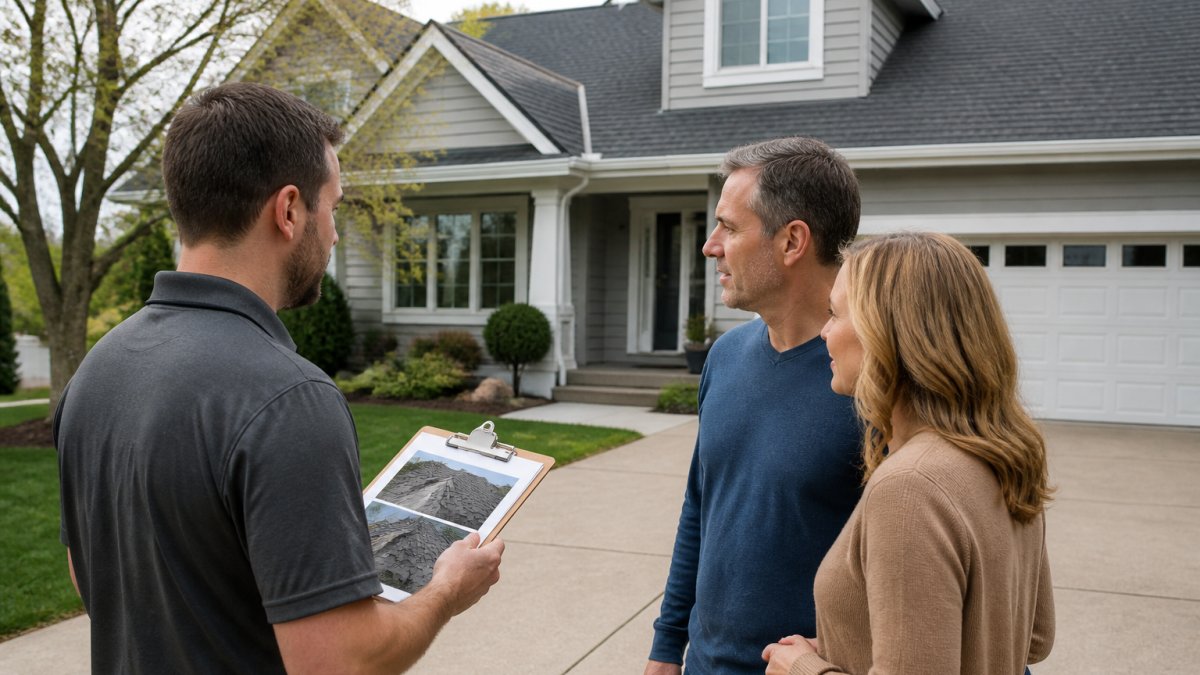
If you didn’t replace the roof before listing, the inspector will flag issues. That inspection report becomes a negotiating weapon. Buyers will demand credits (price reductions) for roof replacement. They’ll add contingencies requiring a roofer’s inspection.
The smarter approach is transparency paired with proactive solutions. If you know the roof has problems, disclose them clearly upfront. Don’t hide issues hoping inspectors won’t find them, they will, and the discovery damages trust.
If the inspection reveals minor issues (a few damaged shingles, minor flashing gaps), you can offer a credit toward repairs rather than replacing the entire roof.
The worst-case scenario is discovering major roof damage during the buyer’s inspection. At that point, you’ve lost negotiating use entirely. The buyer controls the conversation.
A roof problem discovered during buyer inspection costs you far more than one you fix proactively. The buyer’s inspector becomes your adversary rather than your advisor. Plan ahead.
Using Roof Condition as Negotiation Use
Here’s where understanding the true value of a new roof shifts from passive acceptance to active strategy. If you replace the roof before listing, you’ve eliminated the biggest maintenance concern buyers have. That’s use.
In negotiations, a new roof becomes a talking point that justifies your asking price. It’s not just a feature, it’s proof that you’ve maintained the home and that buyers won’t face surprise costs.
Conversely, if your roof is aging but not yet failed, you can use that information strategically. Some sellers choose to offer a roof replacement credit or allowance rather than replacing before sale.
The key is information. Know your roof’s condition before listing. Get a professional assessment. Understand the actual cost of replacement versus the cost of negotiated credits.
Rescue Roofing’s aerial inspection technology gives you precise information about roof condition without guesswork.
Roof Warranty and Transferability: What Buyers Want
Buyers care deeply about warranties, though many don’t understand what they’re actually getting. A new roof with a solid, transferable warranty is a significant selling point.
Most asphalt shingle manufacturers offer 20-30 year warranties on materials (Resources). Contractors typically offer 5-10 year workmanship warranties on installation. The distinction matters: the manufacturer’s warranty covers defects in the shingles themselves; the contractor’s warranty covers installation quality. Both should transfer to the new owner, but transferability varies.
Transferable warranties are worth explicitly mentioning in your listing and to buyers. They signal that the new owner inherits the protection you just purchased.
Non-transferable warranties are nearly worthless to a buyer. If the warranty dies with you, the buyer gets no protection. This is a negotiating disadvantage.
Metal roofing warranties are often longer (40-50 years) and more transferable, which adds to the value proposition. Buyers appreciate the extended coverage.
If you’re selling with an old roof, the warranty is likely expired or nearly expired. That’s another reason buyers demand credits, they’re buying a roof with no remaining protection.
When you work with a contractor like Rescue Roofing to replace your roof before selling, confirm that warranties are transferable and get documentation to share with buyers.
A transferable warranty on a new roof is a concrete buyer benefit. Non-transferable warranties are nearly invisible to buyers. Confirm transferability before replacement.
Conclusion
Does a new roof increase home resale value? Yes, but strategically, not automatically. A new roof eliminates the single biggest maintenance concern buyers have, recovers 60-80% of its cost in sale price, and gives you negotiating use. The real question isn’t whether to replace; it’s when and with what materials.
If your roof shows visible damage, active leaks, or significant aging, replacement before listing almost always makes financial sense. You’ll avoid the negotiating trap where buyers demand credits exceeding replacement costs. If your roof is sound but aging, the decision depends on your market and asking price.
Rescue Roofing helps homeowners navigate this decision with aerial inspections and transparent cost estimates. We assess your roof’s actual condition, explain what buyers will see, and help you understand whether replacement or repair makes sense for your sale timeline. With accurate information and professional guidance, you can make the roof decision that maximizes your home’s value and your return on investment.
Frequently Asked Questions
How much does a new roof add to resale value?
A new roof typically recovers 60-70% of its cost at resale, depending on materials and regional market conditions. Asphalt shingle roofs recover less than metal or premium options. The return also depends on the buyer’s perception of your roof’s condition before replacement, deferred maintenance and visible damage reduce buyer confidence, so addressing roof problems before listing strengthens negotiation position and final sale price.
What are the signs you need a new roof before selling your home?
Replace your roof before selling if you see missing or curled shingles, visible leaks or water stains in the attic, sagging sections, moss or algae growth, or if the roof is over 20 years old. Buyers and home inspectors flag these issues immediately, often triggering repair demands or price reductions. Replacing a visibly failing roof eliminates this negotiation point and improves curb appeal and home appraisal value.
How should I handle roof issues discovered during a home inspection?
If the inspector identifies roof damage, you have three options: repair the specific issue, replace the entire roof, or offer a credit toward the buyer’s repairs. Replacement is strongest when damage is widespread or the roof is near end of service life, as it eliminates buyer concerns about hidden structural damage. Document all work with contractor estimates and warranties to reassure buyers and support your asking price.
Does roof warranty transferability matter to buyers?
Yes. A transferable manufacturer warranty on shingles or a roof system adds measurable value and reduces buyer risk. Many premium asphalt and metal roofing warranties transfer to the next owner, while labor warranties typically do not. Clearly disclose warranty details in your listing and provide documentation, this can justify a higher asking price and accelerate closing, especially in competitive markets.
Ready to understand your roof’s true condition before listing? Contact Rescue Roofing for a professional inspection and detailed assessment. Our aerial quotes and transparent evaluation help you make informed decisions about replacement, repair, or negotiation strategy, so you can sell with confidence and maximize your home’s resale value.