



Table of Contents
- What Is Roof Underlayment?
- Why Roof Underlayment Is Essential for Your Home
- Synthetic vs Felt Underlayment: Choosing the Right Material
- Building Code Requirements for Underlayment
- Signs of Damaged Roof Underlayment and When to Replace It
- Installation and Maintenance Essentials
- Conclusion
Last Updated: August 26, 2026
What Is Roof Underlayment?
Roof underlayment is a protective layer installed directly on your roof deck, beneath your shingles or other roofing material. It serves as a secondary defense against water intrusion, wind-driven rain, and moisture damage that can compromise your home’s structural integrity.
Think of underlayment as insurance for your roof. While shingles are the visible first line of defense, underlayment works underneath, catching water that gets past shingles during heavy storms or when ice dams form. Without it, water soaks directly into your roof deck, leading to rot, mold, and costly structural damage.
The material comes in several varieties: felt paper, synthetic options, and self-adhered membranes, each with different performance characteristics suited to different climates and roofing systems. Beyond water protection, underlayment provides thermal resistance, helps with fire ratings, and extends roof longevity by protecting the deck from UV exposure and weather damage.
Why Roof Underlayment Is Essential for Your Home
Most homeowners don’t think about what happens beneath their shingles until a leak appears. Quality roof underlayment prevents leaks from becoming emergencies in the first place.
Protection Against Water Intrusion
Water intrusion is the leading cause of roof-related damage in homes. Wind-driven rain can force water under shingles, especially at valleys, flashing areas, and roof penetrations. Your underlayment catches this water and directs it safely toward gutters and downspouts.
Without proper underlayment, water seeps into the roof deck and attic insulation, spreading to framing lumber and creating conditions for mold growth and wood rot. This damage isn’t always visible until structural problems emerge. Self-adhered membranes and ice and water shield products are particularly effective at preventing water intrusion in vulnerable areas by creating a seal around fasteners and overlaps.
Secondary Defense During Storms
Severe weather tests every component of your roofing system. High winds can lift shingles, exposing the roof deck. Heavy rain can overwhelm gutters and create temporary pooling. In these moments, your underlayment becomes your home’s last line of defense.
During storms, wind-driven rain hits your roof at angles, forcing water sideways under shingles. Your underlayment prevents this water from reaching the deck. Without it, even brief wind-driven rain can cause damage that takes months to discover and repair.
Extended Roof Longevity
Your roof’s lifespan depends on how well the underlying structure stays protected. Roof decks exposed to moisture, UV rays, and temperature fluctuations deteriorate faster. Quality underlayment shields the deck from these elements, allowing your entire roofing system to last longer.
A typical asphalt shingle roof lasts 20-25 years, but that timeline assumes the roof deck stays dry and protected (asphaltroofing.org). With degraded or missing underlayment, the deck can fail in half that time, forcing premature replacement. The cost of adding proper underlayment during installation is a fraction of the cost of early replacement.
Synthetic vs Felt Underlayment: Choosing the Right Material
Not all roof underlayment performs equally. The right choice depends on your climate, roofing material, and budget.
Asphalt-Saturated Felt Paper
Asphalt-saturated felt paper has been the traditional roofing underlayment for decades. It’s affordable, readily available, and performs adequately in many climates. The material consists of wood fibers saturated with asphalt, creating a moisture barrier with some water resistance.
Felt paper works well in dry climates where moisture exposure is limited. However, it has notable limitations. It can absorb moisture when wet, reducing its effectiveness as a moisture barrier. It’s also susceptible to UV damage if exposed during installation delays and can tear more easily than synthetic alternatives.
In humid climates or areas with frequent heavy rain, felt paper requires careful installation with proper overlap and fastening to prevent water from penetrating underneath.
Synthetic Underlayment Options
Synthetic underlayment materials are manufactured from polypropylene or polyethylene, creating a moisture barrier that doesn’t absorb water like felt does. Synthetic underlayment maintains its integrity when wet, resists UV damage, and offers superior tear strength.
Synthetic materials typically cost more upfront than felt paper but deliver better performance in most climates. They’re less likely to degrade during installation delays, resist moisture absorption, and provide better protection against wind-driven rain. For homes in areas prone to heavy storms or high humidity, synthetic underlayment is often the better choice. preventing water damage.
Self-Adhered Membranes and Ice and Water Shield
Self-adhered membranes represent the premium option for roof underlayment. These products stick directly to the roof deck, creating a continuous seal that prevents water intrusion at vulnerable points. Ice and water shield is the most common type, a rubberized asphalt membrane designed to prevent water damage in areas prone to ice dams and wind-driven rain.
Ice and water shield is typically installed in valleys, along roof edges, around penetrations, and in other high-risk areas. Many building codes now require it in specific locations, particularly in northern climates where ice dams are common.
Building Code Requirements for Underlayment
Building codes establish minimum standards for roof underlayment installation. These requirements vary by location and climate zone, reflecting different moisture and weather challenges. Your roofing contractor should be familiar with local building codes and ensure your installation meets or exceeds these standards.
International Building Code standards for roofing establish guidelines for underlayment installation that most jurisdictions adopt or adapt. The code specifies underlayment types acceptable for different roofing materials, required overlap distances, and fastening requirements. Some jurisdictions require specific ASTM standards for underlayment materials, ensuring minimum performance levels.
Building codes also address fire resistance ratings for roofing materials, including underlayment. In areas with wildfire risk or strict fire codes, you may be required to use underlayment with specific fire ratings. Class A fire-rated underlayment provides better protection against ignition from flying embers and radiant heat.
Local building departments inspect roofing installations to verify code compliance. Working with a contractor familiar with local codes prevents costly rework and ensures your roof is properly protected.
Signs of Damaged Roof Underlayment and When to Replace It
Your underlayment works invisibly, which means problems often go unnoticed until water damage becomes visible inside your home. Knowing the warning signs helps you catch underlayment failure before it causes structural damage.
Visible Damage and Deterioration
Water stains on your ceiling or attic insulation are the most obvious sign of underlayment failure. These stains indicate water has penetrated through the roof deck and is dripping into your living space. Mold or mildew growth in your attic is another red flag, indicating moisture accumulation from underlayment failure.
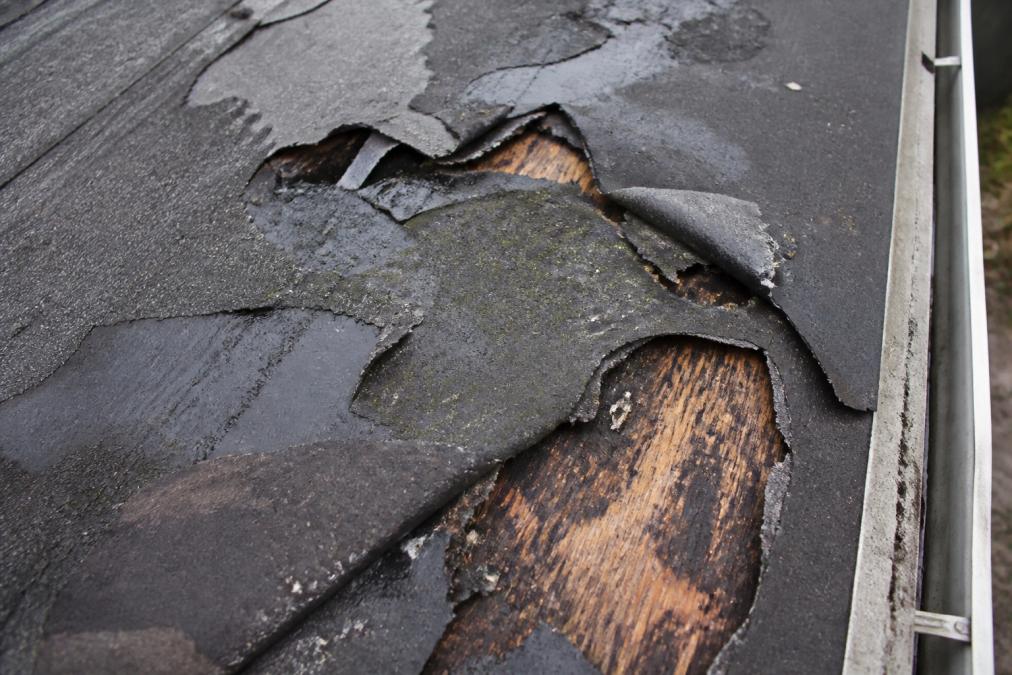
During a professional roof inspection, a contractor can see underlayment damage directly. Torn sections, separation from the roof deck, or visible deterioration indicate the material is no longer providing adequate protection.
Water Damage and Leak Indicators
Leaks that appear after heavy rain but disappear when the roof dries suggest underlayment failure rather than shingle damage. Soft spots or sagging areas in your ceiling indicate water has been absorbed into the roof deck and insulation. Rust stains on attic framing or nails suggest water has been present long enough to cause oxidation, indicating chronic moisture exposure.
When you notice any of these signs, have a professional inspection done immediately. Early detection allows for targeted repairs rather than full roof replacement.
Installation and Maintenance Essentials
Proper installation determines how effectively your underlayment protects your home. Even the best material performs poorly if installed incorrectly.
Proper Installation Standards
Underlayment must be installed with proper overlap to prevent water from working underneath. Standard overlap is typically 4-6 inches, depending on the material and roof slope. Fastening is critical, underlayment must be secured to the roof deck with fasteners spaced according to building code requirements, typically every 12-16 inches along seams and around the perimeter (icc.org).
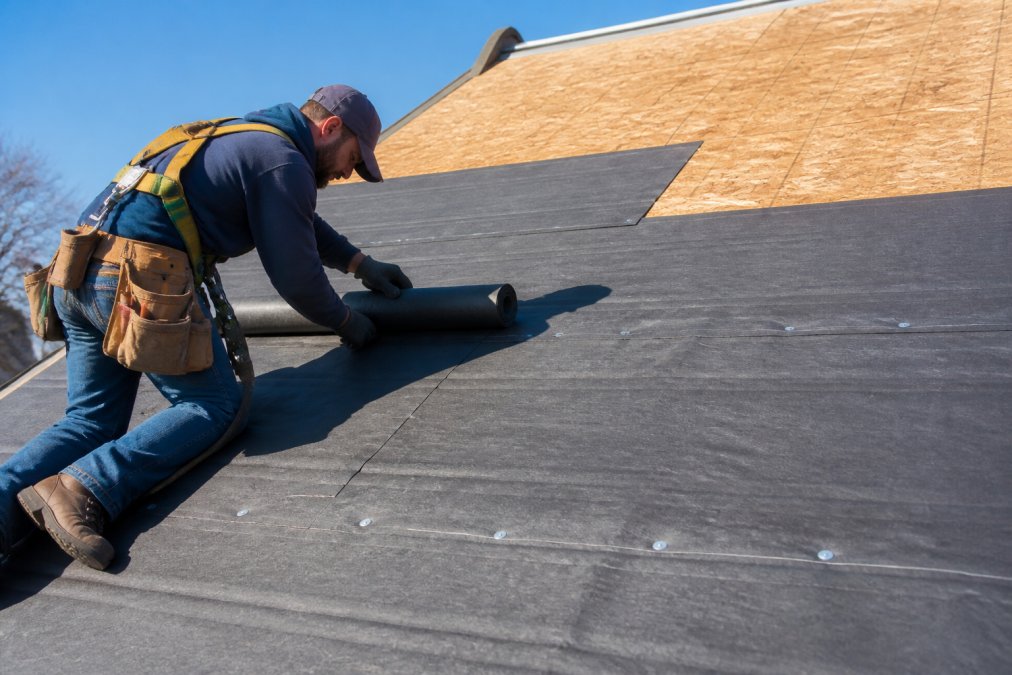
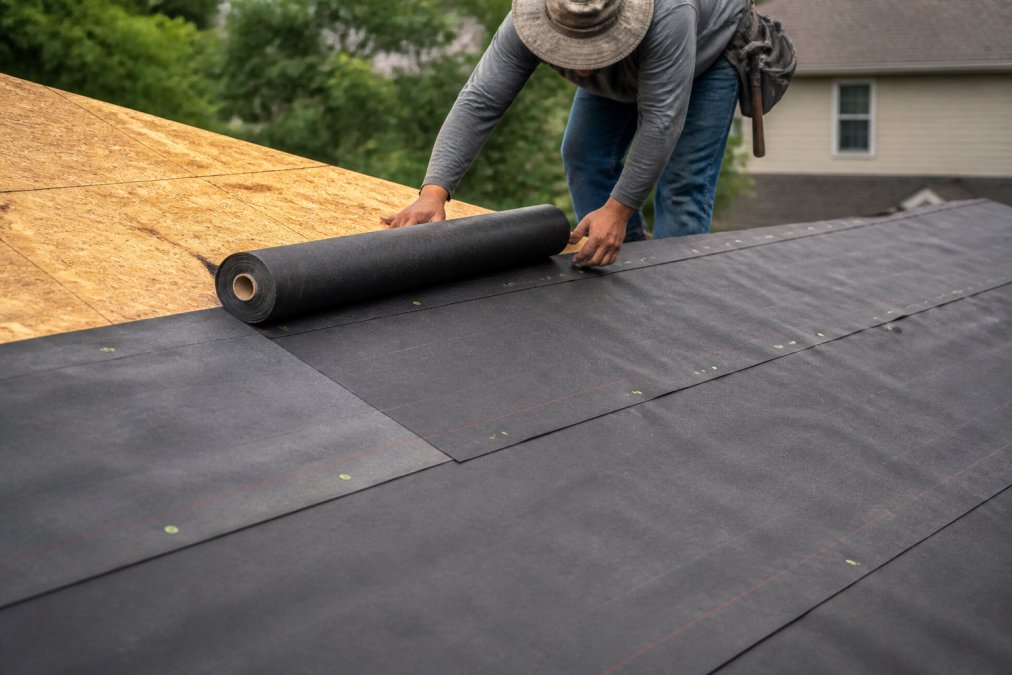
Underlayment is installed horizontally, starting at the lower edge of the roof and working upward. Each course overlaps the one below it, allowing water to flow downward and out of the roofing system. Self-adhered membranes require careful attention to surface preparation, the roof deck must be clean and dry before application.
Inspection and Maintenance Checklist
Regular inspections catch underlayment problems before they cause damage:
- After major storms: Check your attic for water stains or moisture.
- Seasonal inspections: Spring and fall are good times to inspect for signs of moisture or mold growth.
- During gutter cleaning: Look for visible underlayment deterioration or separation.
- Before and after roof work: Document underlayment condition before contractors begin work and verify proper installation after completion.
- Age assessment: If your roof is over 20 years old, have a professional inspect the underlayment condition.
Maintenance involves maintaining conditions that keep underlayment protected. Keep gutters clean so water drains properly. Ensure attic ventilation is adequate to prevent moisture buildup. Trim tree branches that could damage shingles and expose the underlayment.
When you notice signs of underlayment problems, don’t delay. Water damage accelerates once it begins. A small leak becomes a structural problem in weeks.
| Issue | What to Look For | Action Required |
|---|---|---|
| Water stains | Brown or yellow discoloration on ceiling or attic insulation | Call for inspection immediately |
| Mold growth | Dark patches on wood or insulation, musty smell | Professional assessment needed |
| Visible damage | Torn material, separation from deck during inspection | Schedule replacement |
| Age-related | Roof over 20 years old, material deterioration visible | Plan replacement before failure |
| Post-storm | Any moisture or dripping after heavy rain | Professional inspection required |
Your roof’s performance depends on what’s beneath the shingles. Quality roof underlayment is the difference between a roof that lasts 25 years and one that fails in 15. Rescue Roofing specializes in proper underlayment installation, thorough inspections that identify problems early, and insurance claim assistance when damage occurs. Our team uses accurate aerial quotes and detailed on-site assessments to ensure your roofing system is properly protected. Contact us for a professional inspection and to discuss underlayment options for your home or commercial property.
Frequently Asked Questions
Is roof underlayment necessary for all roof types?
Yes, roof underlayment is essential for virtually all residential roof types, though the specific material and installation requirements vary. Building codes in most jurisdictions mandate underlayment as a secondary water barrier. The type you need depends on your roofing material, asphalt shingles, metal roofing, and tile all benefit from underlayment protection. Even low-slope roofs require specialized membranes. Professional inspection determines whether your existing roof meets current code requirements.
What is the difference between felt and synthetic underlayment?
Asphalt-saturated felt paper is the traditional choice, offering basic moisture protection at a lower cost. Synthetic underlayment is engineered for superior durability, tear strength, and resistance to UV exposure. Synthetic materials maintain integrity longer, resist mold and mildew better, and provide improved vapor permeability. Self-adhered membranes and ice and water shield products offer maximum protection in vulnerable areas like eaves and valleys. Your climate and roofing material should guide your choice.
How do I know if my roof underlayment is bad?
Signs of damaged roof underlayment include visible water stains on ceilings or attic areas, soft or spongy roof deck sections, sagging roof areas, granule loss from shingles, and mold growth in the attic. Torn, deteriorated, or missing underlayment is obvious during professional inspection. If your roof is over 15-20 years old, underlayment degradation is likely. Water intrusion during heavy rain or wind-driven rain events is a red flag. Professional roofers can assess damage accurately through aerial inspection and attic examination.
Can I install new shingles without replacing the underlayment?
Installing new shingles over damaged underlayment creates a false sense of security. If the underlayment is compromised, water will eventually penetrate and damage the roof deck and interior. Building codes typically require underlayment replacement during full roof replacements. If you're re-roofing, a professional inspection determines whether existing underlayment is salvageable. Most contractors recommend replacing underlayment to ensure a complete, code-compliant roofing system and maximize roof longevity.
Does underlayment need to cover the entire roof surface?
Yes, roof underlayment should cover the entire roof deck for comprehensive protection. However, some areas require additional layers of protection. Ice and water shield should extend from the eave edge upward in cold climates to prevent ice dam damage. Valleys and flashing areas need overlapping underlayment to manage water flow. Building codes specify coverage requirements based on roof slope and local climate conditions. Professional installation ensures proper coverage and overlap throughout the roofing system.
What are the building code requirements for underlayment in my area?
Building codes require underlayment under all roof coverings as a secondary water barrier. Requirements vary by roof pitch, climate zone, and local jurisdiction. ASTM standards govern underlayment tear strength, fire rating, and vapor permeability specifications. Cold climates typically require ice and water shield protection. Your local building department and professional roofing contractors understand specific code requirements for your property. Rescue Roofing's inspections ensure your roof meets current code standards and local regulations.
How does underlayment protect against ice dams and water infiltration?
Underlayment acts as a secondary defense when wind-driven rain or ice dam melt-water bypasses shingles. Ice and water shield products, installed along eaves and valleys, create a self-adhered moisture barrier that prevents water from reaching the roof deck. The underlayment's vapor permeability allows attic moisture to escape while blocking liquid water intrusion. During freeze-thaw cycles, this protection prevents water from entering walls and causing structural damage. Proper installation of underlayment is critical in climates with freeze-thaw cycles.
This article was written using GrandRanker