

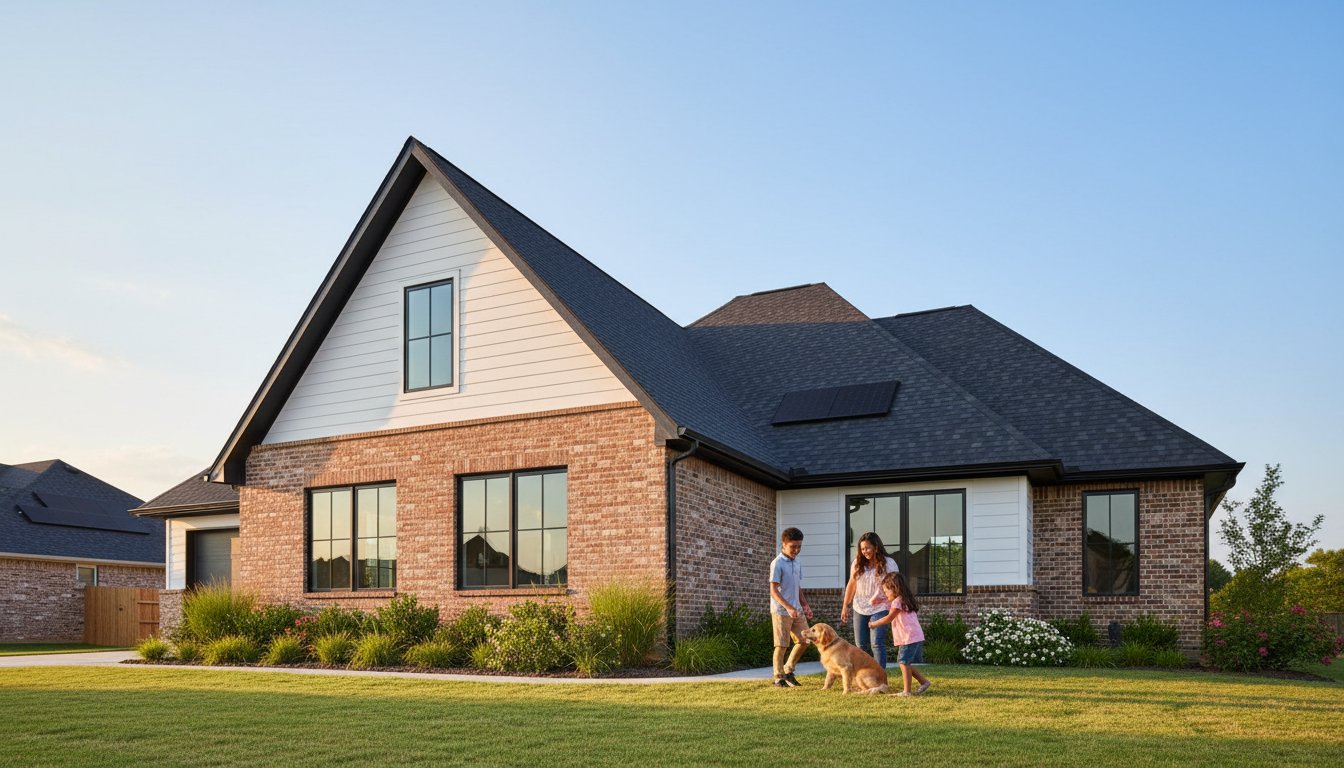

When you close your eyes and picture a classic home, what does the roof look like? For many of us, it’s a simple, triangular shape that creates that familiar silhouette. That timeless design has a name: the gable roof. It’s one of the most common styles you’ll see on homes throughout our Tulsa community, and for good reason. But with our unpredictable Oklahoma weather, from strong winds to heavy rain, it’s natural to wonder if this popular choice is the most durable and practical option for protecting your family and your investment.
Feeling uncertain about roofing terms or which style is best for your home can be stressful. That’s why we created this straightforward guide. As your local, trusted roofing experts, we want you to feel confident and informed. We’ll walk you through exactly what a gable roof is, explore its key advantages and disadvantages right here in Tulsa, and show you a few of the most common styles you’ll encounter. Our goal is to give you the peace of mind that comes from making a knowledgeable decision for your home.
What is a Gable Roof? The Simple Definition
When you picture a classic American house, chances are you’re imagining a home with a gable roof. This design is easily recognized by its simple, triangular shape, much like an open book resting on its spine. It’s one of the most popular and trusted roofing styles across Tulsa and the entire country for good reason: it’s simple, effective, and timeless.
The name comes from the “gable,” which is the triangular section of the wall at the end of the pitched roof. The classic Gable roof is a durable and cost-effective choice that provides excellent water shedding and allows for more attic space or vaulted ceilings. It’s a design that offers homeowners reliable protection and a traditional aesthetic that never goes out of style, providing true peace of mind.
The Key Parts of a Gable Roof
Understanding this popular roof style is easier when you know its main components. Each part plays a crucial role in protecting your home from the elements.
- The Ridge: This is the highest horizontal line at the very top, where the two sloping sides of the roof meet.
- The Slopes: These are the two large, angled surfaces of the roof. Their primary job is to effectively shed rain and snow away from your home’s structure.
- The Gables: The distinct triangular sections of wall located at each end of the roof, sitting between the two slopes.
- The Eaves: These are the edges of the roof that overhang the face of the walls, helping to direct water away from your home’s foundation.
Gable Roof vs. Hip Roof: An Easy Visual Guide
Homeowners often weigh the pros and cons of a gable versus a hip roof. While both are excellent choices, their core design is fundamentally different. Here’s a quick comparison to help you tell them apart.
- Shape: A gable roof has two sloping sides that form a distinct triangle on the ends. In contrast, a hip roof has four sloping sides that meet at a point or a small ridge on top.
- Walls: Gable roofs feature vertical end walls that extend all the way up to the roofline. Hip roofs have no vertical ends; the roof slopes down to meet the walls on all four sides.
[Image: A simple side-by-side illustration showing the two slopes and triangular end of a gable roof next to the four sloping sides of a hip roof.]
The Pros and Cons for Tulsa Homeowners
In Tulsa, choosing a roof isn’t just about style-it’s about standing up to Oklahoma’s unpredictable weather. The classic gable roof is one of the most common sights in our neighborhoods, and for good reason. However, it’s important for homeowners to understand both its significant benefits and its potential challenges in our high-wind region to ensure you have lasting peace of mind.
Key Advantages of a Gable Roof
The timeless popularity of the gable design comes from a few practical, powerful advantages that benefit homeowners every day:
- Cost-Effective: Its simple, triangular design requires fewer materials and less complex labor than other styles. This makes it one of the most affordable roofing options to install and repair.
- Excellent Drainage: The steep slope is perfectly designed to shed heavy rain and prevent water pooling, offering fantastic protection during intense Oklahoma downpours.
- More Attic Space: The high pitch naturally creates a spacious attic, perfect for storage or even a future living space. It also allows for beautiful vaulted ceilings inside your home.
- Good Ventilation: The simple shape makes it easy to install ridge vents and other ventilation systems, which are crucial for regulating your home’s temperature and improving energy efficiency.
Potential Disadvantages in High-Wind Areas
The primary concern for any gable roof in Oklahoma is its performance during severe storms. The flat gable end can act like a sail, catching strong winds and becoming vulnerable to uplift if it is not constructed properly. This is a serious consideration in Tornado Alley.
However, this risk can be significantly minimized with modern building practices. Proper bracing and professional installation are absolutely crucial to its durability. A qualified roofer will follow specific guidelines for gable overhang framing for wind resistance to ensure the entire structure is secure and can withstand extreme weather. When built to today’s standards by an experienced, trusted local roofer, a gable roof can provide reliable protection for your family.
If your current roof has been through a few storm seasons, its structural integrity is worth checking. Worried about storm damage? Get a free inspection today.
Common Gable Roof Variations You’ll See
The simple, triangular shape of a gable roof is just the beginning. As you drive through Tulsa neighborhoods, you’ll likely notice that this classic design comes in several common variations. Each style offers a different look and is adapted to suit a home’s unique footprint. Understanding these types helps you appreciate your home’s architecture and make informed decisions about its care and maintenance.
Here are a few of the most popular styles you’ll encounter:
The Standard (Front) Gable
This is the style most people picture first. A standard or front gable places the triangular end of the roof directly over the front of the house, often framing the main entrance. It’s a hallmark of classic American home styles like Colonial and Cape Cod. Its simple, symmetrical design provides a timeless look and is straightforward to build and maintain, offering reliable protection for your home.
The Crossed Gable
A crossed gable roof consists of two gable sections that join at a right angle, forming an “L” or “T” shape from above. This design is very common for homes with more complex layouts, such as those with attached garages, porches, or separate wings. Beyond its practical function of covering multiple sections of a house, a crossed gable adds significant architectural interest and dimension to the roofline.
The Dutch Gable
The Dutch gable is a hybrid design that offers the benefits of two popular styles. It features a hip roof (with four sloping sides) at its base and a small gable section, called a gablet, placed at the top. This smart combination provides the excellent wind resistance of a hip roof, while the gablet creates extra attic space and an ideal spot for ventilation-a crucial feature for managing heat during our Oklahoma summers.
Many homes, especially newer constructions, combine these variations to create a unique and functional roofline. No matter which style your home has, the principles of quality installation and regular maintenance remain the same. If you have questions about your home’s specific gable roof or want to ensure it’s providing the best protection for your family, the local experts at T-Town Roofing are always here to help with an honest, hassle-free inspection.
Materials, Maintenance, and Repair for Your Gable Roof
Understanding the design of your gable roof is the first step. The next is knowing how to protect it. Because of its simple, classic shape, a gable roof is straightforward to maintain and repair, but it requires diligent care to stand up to Tulsa’s demanding weather. Making smart choices about materials and performing regular upkeep will ensure your roof provides lasting protection and peace of mind.
Best Roofing Materials for a Gable Design
The versatility of the gable design means it works beautifully with nearly any roofing material. Your choice often comes down to balancing budget, durability, and style.
- Asphalt Shingles: The most popular choice in Oklahoma for a reason. They are cost-effective, available in many colors, and modern architectural shingles offer excellent protection.
- Metal Roofing: For superior durability, a metal roof is an outstanding investment. It offers exceptional resistance to high winds and hail, making it a smart choice for homeowners looking for maximum long-term protection.
No matter the material, proper installation is key to enhancing wind resistance. A securely fastened, high-quality roofing system is your home’s best defense during a storm.
Simple Maintenance Tips
A little proactive care goes a long way in extending the life of your roof and preventing costly repairs. As a homeowner, you can keep an eye on a few key areas, especially after a storm rolls through:
- Check the Ridge Cap: The peak of your roof, or ridge line, is a critical area. Look for any shingles that are cracked, loose, or missing.
- Keep Gutters Clear: Clogged gutters can cause water to back up under the eaves, leading to rot and water damage. Ensure they are free of leaves and debris.
- Inspect Gable Vents: Make sure the vents on your gable ends are clear to allow for proper attic ventilation, which is crucial for energy efficiency and roof health.
- Scan the Slopes: From the ground, look for any shingles that appear lifted, curled, or have fallen off the large, sloped planes of your roof.
When to Call a Professional in Tulsa
While homeowner inspections are helpful, some situations demand a professional assessment to ensure no hidden damage exists. It’s always better to be safe than sorry when it comes to the roof over your head.
You should call a trusted local roofer if:
- You spot any water stains or active leaks in your attic or on your ceilings.
- A major hail or high-wind storm has just passed through your neighborhood.
- You can see visible damage from the ground, like missing shingles or a damaged ridge line.
If you have any concerns about your roof’s condition, don’t wait for a small problem to become a major one. Let our experts handle your gable roof repairs. As Tulsa’s most trusted local roofer, we’re here to provide an honest, hassle-free inspection and restore your peace of mind.
Your Trusted Partner for Tulsa Gable Roofs
The gable roof is a timeless and effective choice for many Tulsa homes, known for its classic look and ability to handle rain. As we’ve covered, understanding its unique advantages, potential vulnerabilities in our local weather, and the best materials is crucial for ensuring your home has long-lasting protection. Making the right choice provides not just shelter, but also security for your family.
Whether you’re considering a new installation, need repairs after a storm, or want to know the condition of your current gable roof, having a trusted local expert on your side brings true peace of mind. As Tulsa’s roofing specialists, we handle everything from professional installations to navigating complex storm damage and insurance claims. Our goal is to make the entire process simple and hassle-free for you.
Ready to ensure your roof is in top condition? Get a Free, No-Obligation Inspection for Your Tulsa Roof from our experienced team today.
Let our family help protect yours with the honest, quality service our Tulsa community deserves.
Frequently Asked Questions About Gable Roofs
Are gable roofs more expensive than other styles?
Generally, a gable roof is one of the most affordable roofing styles. Its simple, two-sided design requires fewer materials and less complex labor compared to more intricate roofs like a hip or mansard style. This makes it a practical, budget-friendly choice for many homeowners without sacrificing quality or protection. Our team can provide a clear, honest estimate based on your home’s specific needs to give you complete peace of mind about your investment.
How well do gable roofs handle heavy rain?
Gable roofs are excellent at handling heavy rain, which is a common concern here in Oklahoma. The steep, triangular slope is specifically designed to shed water quickly and efficiently, preventing water from pooling and reducing the risk of leaks. This superior drainage helps protect your home’s structure and foundation from water damage. When installed correctly by a trusted professional, a gable roof provides reliable protection against even the most intense downpours our community experiences.
Can I add skylights or dormers to a gable roof?
Yes, absolutely. The simple, expansive planes of a gable roof make it an ideal candidate for adding features like skylights or dormers. These additions can bring more natural light and living space to your attic or upper floors. As experienced local roofers, we can ensure that any additions are properly framed, sealed, and flashed to maintain your roof’s structural integrity and prevent any potential leaks, giving you both enhanced beauty and lasting quality.
What is the best roofing material for a gable roof in Oklahoma?
For Oklahoma’s climate, high-quality architectural asphalt shingles are a popular and durable choice, offering excellent protection and value. They come in various styles to match any home. For homeowners seeking maximum durability against hail and high winds, impact-resistant shingles or a standing-seam metal roof are fantastic options. We are GAF Master Elite Certified and can help you select the best material to provide lasting protection and peace of mind for your Tulsa home.
Is a gable roof a good choice for a high-wind area like Tulsa?
While gable roofs can be vulnerable in high-wind events if not constructed properly, they are an excellent choice for Tulsa when correctly reinforced. The key is ensuring the roof has strong bracing and is securely anchored to the walls of your home. A properly constructed gable roof can withstand Oklahoma’s strong winds. As your local, trusted roofing experts, we follow stringent building codes to ensure your roof provides maximum protection for your family and property.
How long does a typical gable roof last?
The lifespan of a gable roof depends almost entirely on the quality of the materials used and the installation. A standard architectural asphalt shingle roof, when installed by a certified professional, will typically last 25 to 30 years. If you opt for a more durable material like metal, you can expect a lifespan of 50 years or more. Regular inspections and maintenance are key to maximizing the life of any roof and ensuring it continues to protect your home.